EMPOWERING SCHOOL LEADERSHIP: TRANSFORMATIVE PRACTICES THROUGH SLDP
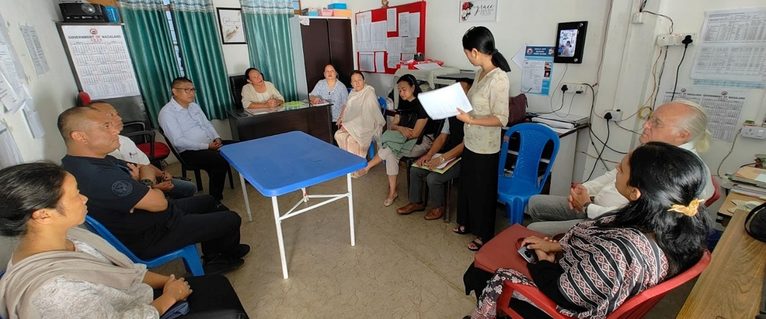
The School Leadership Development Programme (SLDP) is a one-month programme designed to
enhance the leadership skills of school heads and has been organised by the School Leadership
Academy (SLA) at the State Institute of Educational Management and Training (SIEMAT), SCERT.
The programme includes 15 days of in-person sessions, 14 days of project work, and concludes
with an online valedictory event for those who complete and submit their projects. So far, six
batches have been completed in collaboration with NECTAR, with 260 School Leaders certified
across Nagaland.
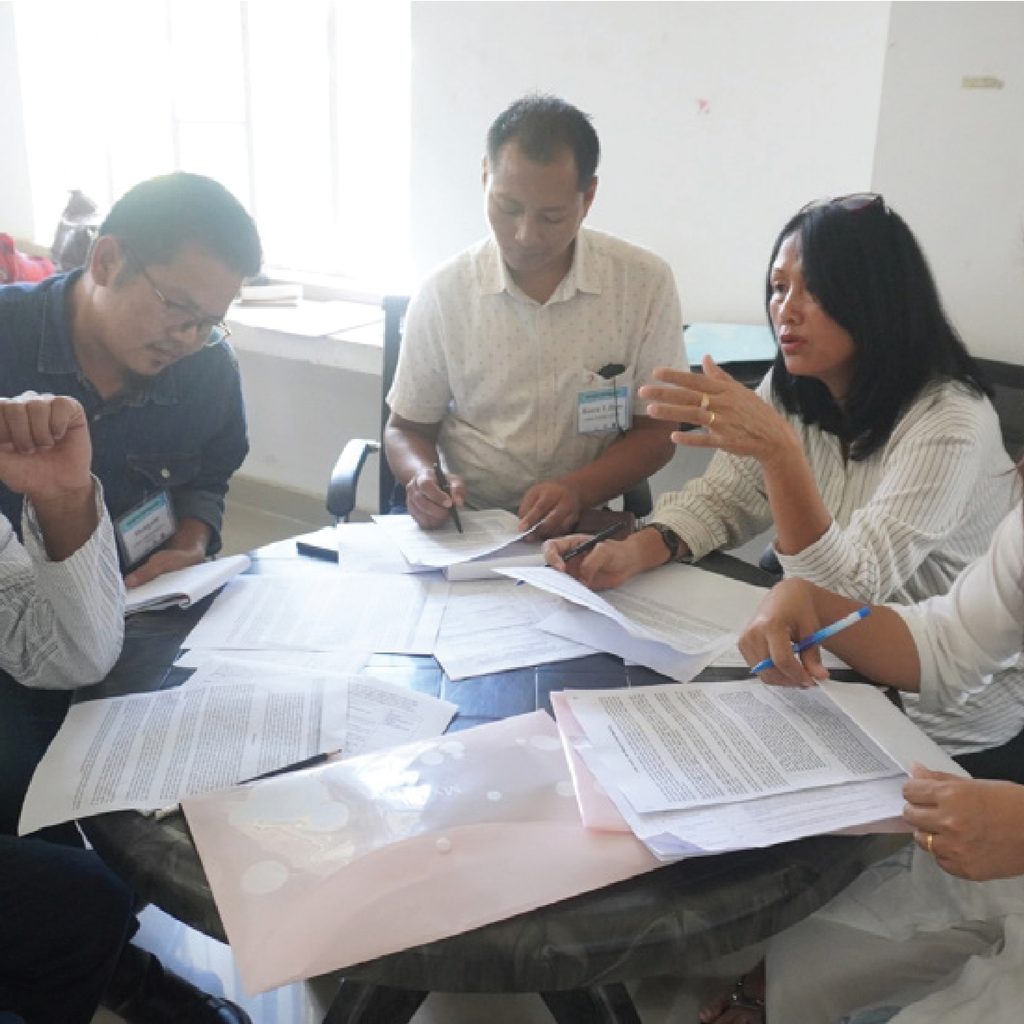
The programme focuses on seven key areas, designed to equip school leaders with the essential tools required for efficient school management. Participants exchange experiences, learn best practices, and gain an understanding that leadership goes beyond administrative tasks. The SLDP emphasises setting clear goals, adopting innovative teaching methods, fostering student-driven innovation, and building school-family partnerships. For many school heads transitioning from teaching roles, the programme is instrumental in helping them understand their new responsibilities.
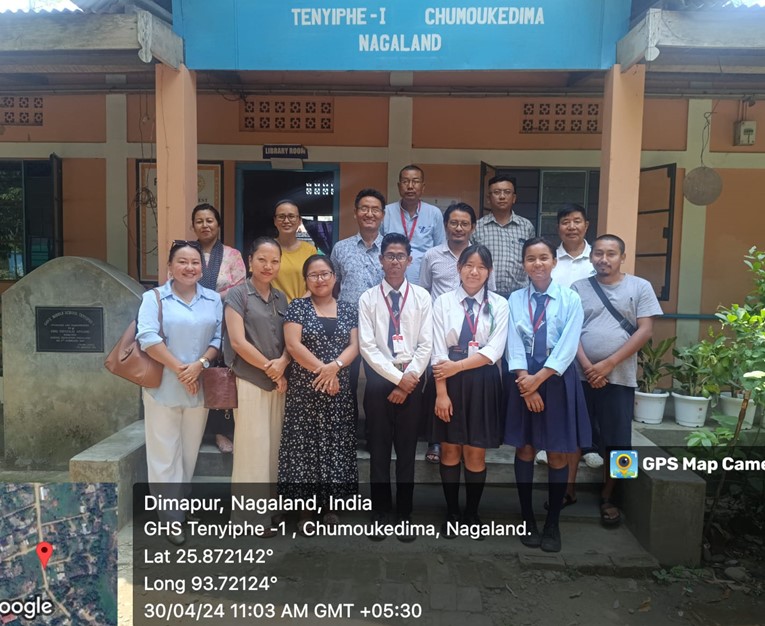
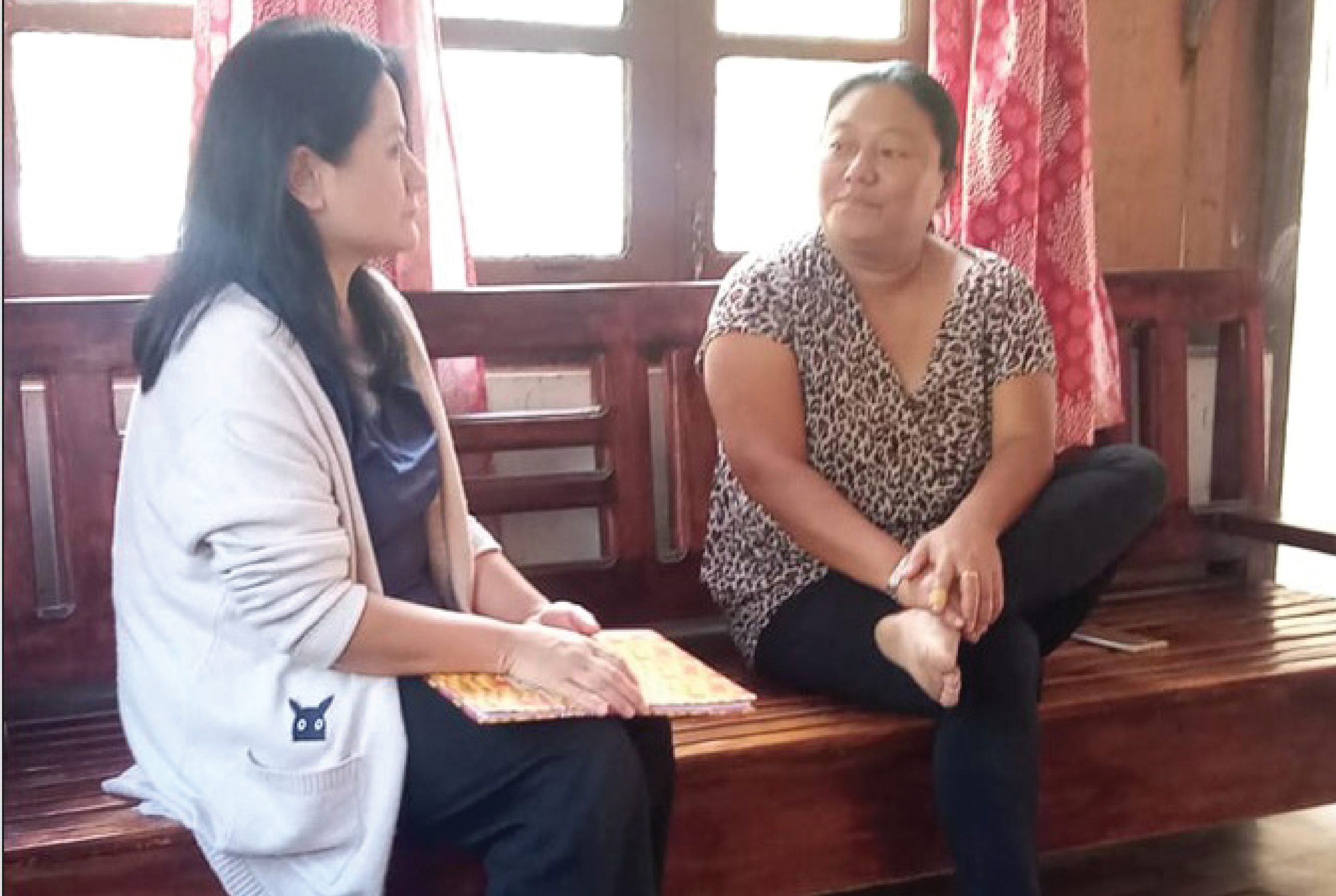
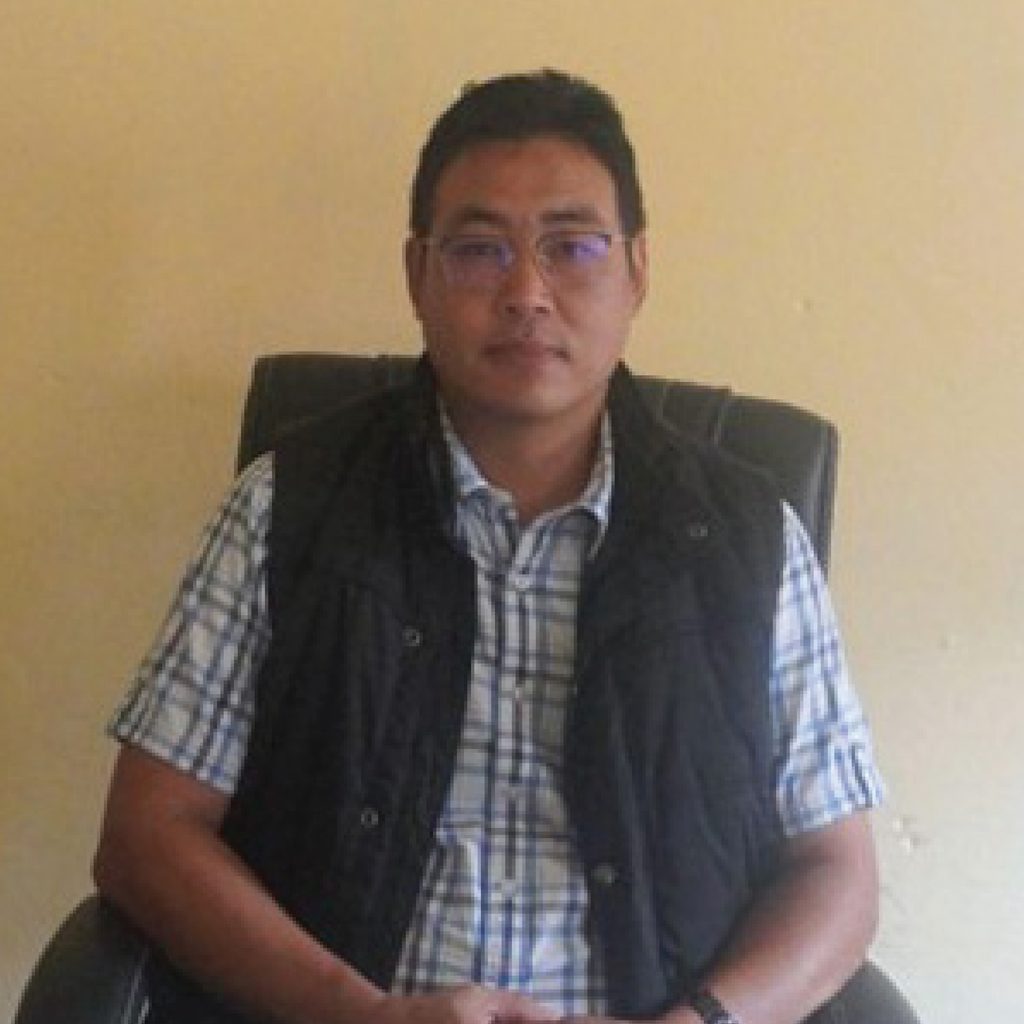
Here we are capturing GHSS Senayangba in Mokokchung district, focusing on Mr Lakhi Longkumer, the Principal of the school, and the impact he has been able to create post-participation in the SLDP (School Leadership Development Programme). Reflecting on his
experience in the training, Mr Longkumer, who has nearly a decade of experience as Principal, recalls that while the key areas of the programme may not have been entirely novel to him, the crucial skill he gained was translating these components into actionable steps. He shared that through the training, he learned to be more organised and to carry out more detail-oriented programmes. Additionally, the practical component of the SLDP training helped him better plan materials in advance. Mr Longkumer believes the shift in his practices has enabled him to create a more approachable and collaborative environment for teachers, promoting a more lateral leadership style in his school. He observes that this has benefited both the teachers and students in his school.
As part of the training, Mr. Longkumer conducted a project* at his school, which involved surveying
his teachers. The outcomes of this survey reflect how he applied leadership principles learned in
the SLDP to enhance his effectiveness and foster peer collaboration within the school.
Feedback Initiative: After SLDP training, Mr Lakhi created an anonymous survey to gather honest
teacher feedback on his leadership, peer collaboration, and classroom facilitation. Eighteen
teachers participated, providing key insights.
Leadership Perspectives: The feedback was highly positive:
- Direction: All teachers agreed that he is leading in the right direction, with most rating him as very good or outstanding.
- Peer Collaboration: Most teachers mentioned that they felt appreciated for their contributions. Teachers praised the collaborative atmosphere, noting:
- “We encourage each other in every project we perform.”
- “Strong cooperation between the school authority and staff allows us to overcome
challenges and complete our projects.”
*A Dipstick Survey of Teachers’ Opinions on the School Head, Peers/Colleagues, and the Classroom Teaching- Learning Process (Key Area 1: Perspective on School Leadership).
This response underscores the SLDP’s role in promoting a culture of open communication and
mutual respect.
Teaching-Learning Process Insights: Teachers unanimously opposed corporal punishment, advocating for alternatives like counselling, group activities, and mentorship. They expressed a commitment to being remembered as caring and adaptive educators, with statements such as:
“I want to be remembered as a teacher who genuinely cared for her students.”
“I want to be recognised as an effective teacher who adapted my instruction to meet students’ needs.”
Implementing Feedback Mechanisms: The feedback initiative energised the staff, who saw it as a way to reduce hierarchical barriers. This approach evolved into one-on-one interviews and a mentor-mentee programme, strengthening teacher-student relationships.
The Mentor-Mentee Programme: Designed by Mr Lakhi to support holistic student development, this programme includes:
Guidelines for Teacher Interaction: Teachers conduct monthly home visits and meet with students bimonthly at school.Feedback Collection: Logs and feedback are reviewed every three months.
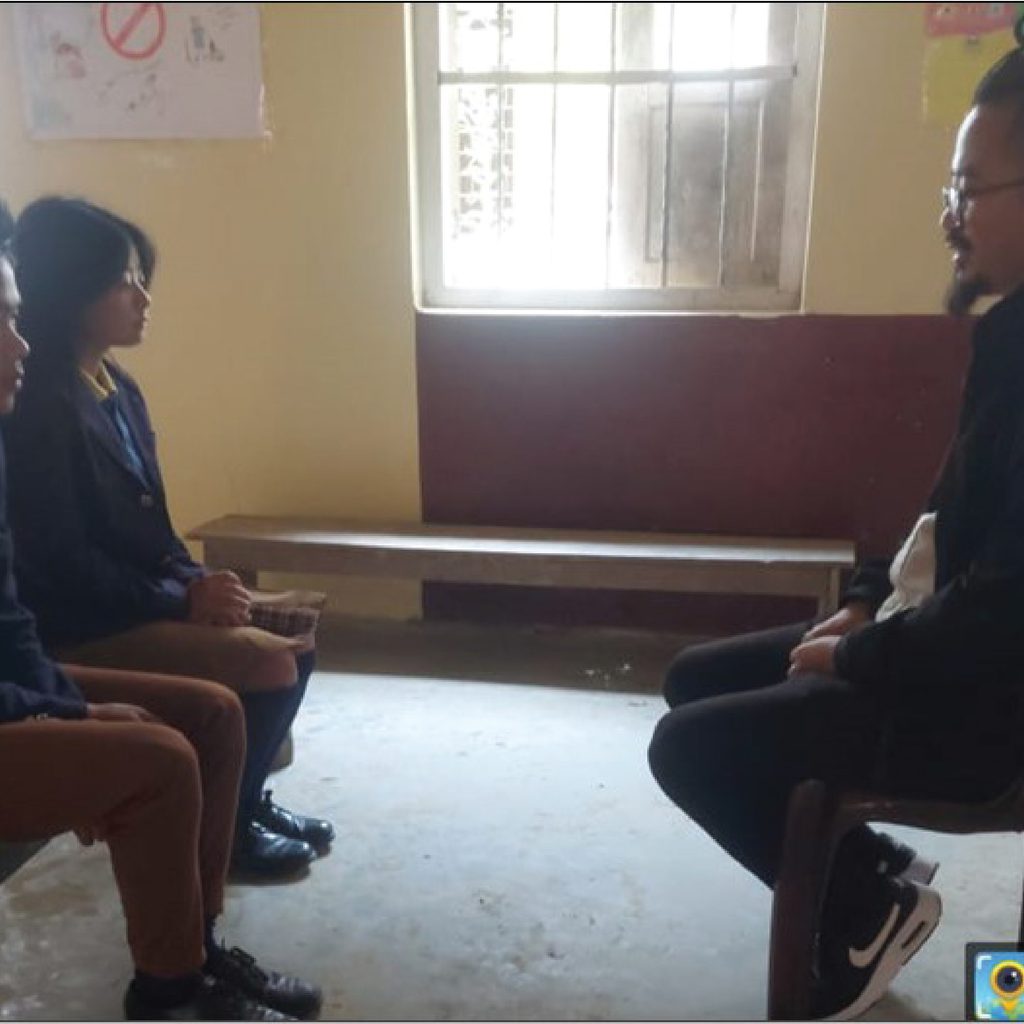
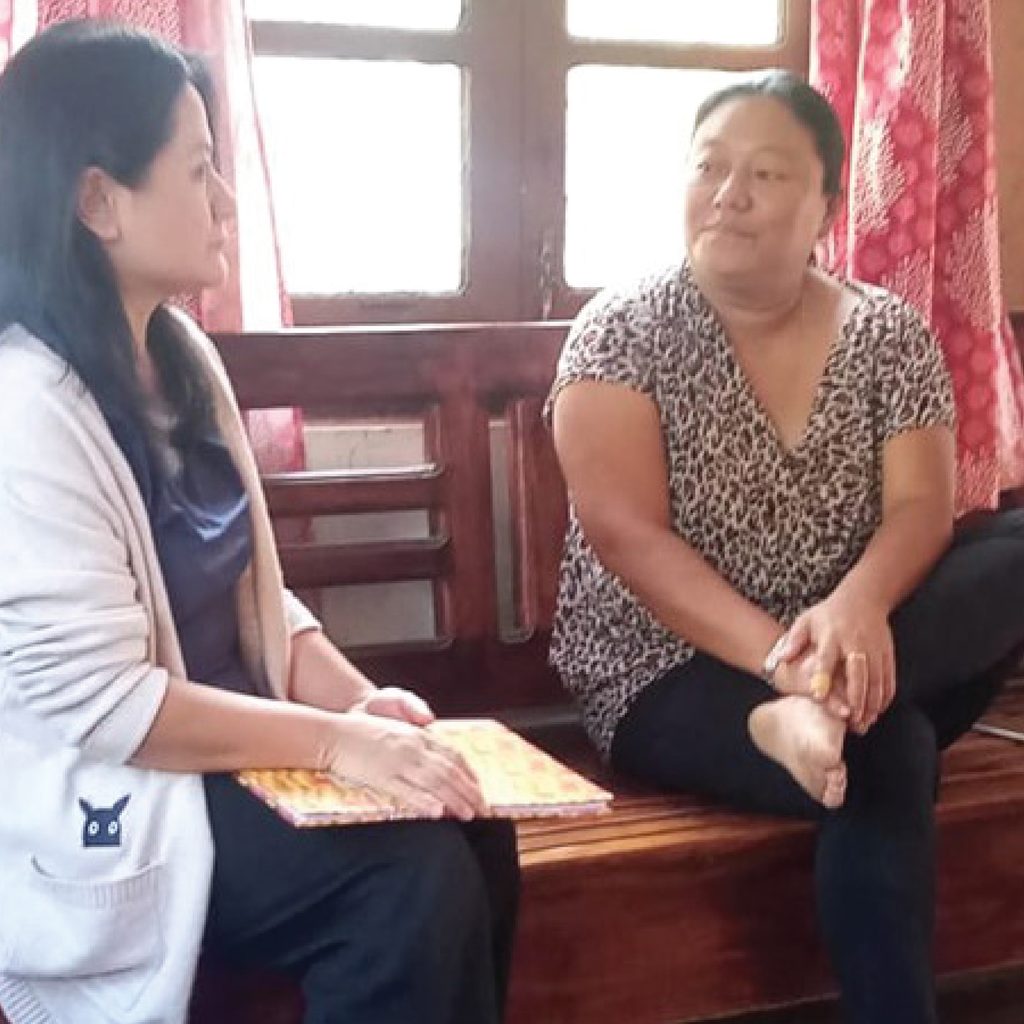
The benefits of SLDP are becoming evident, and this is testified to by Ms Sentikala, a mentor for 12th-grade students; she reported improvements in engagement and performance, noting that understanding students’ backgrounds helps them provide tailored support. One mentee, initially struggling academically and socially, made significant progress through mentoring and chose to pursue higher education.
Mr Lakhi’s initiatives demonstrate how open communication and mutual respect contribute to a thriving educational environment for both staff and students. Mr Lakhi is one of many school leaders who are translating their learnings from the training to bring about positive transformations in their schools through their leadership.