SETTING THE STAGE FOR MEANINGFUL IMPROVEMENTS THROUGH SRIP
If we were to ask, ‘When does a school need improvement?’ Would it be only when a school is in poor physical condition, or can it even be a school with teachers who conduct lessons consistently, but only rely on a blackboard? The answer to this lies in understanding what good looks like and then evaluating various aspects of a school’s functioning, from infrastructure and teaching practices to leadership and community involvement regularly.
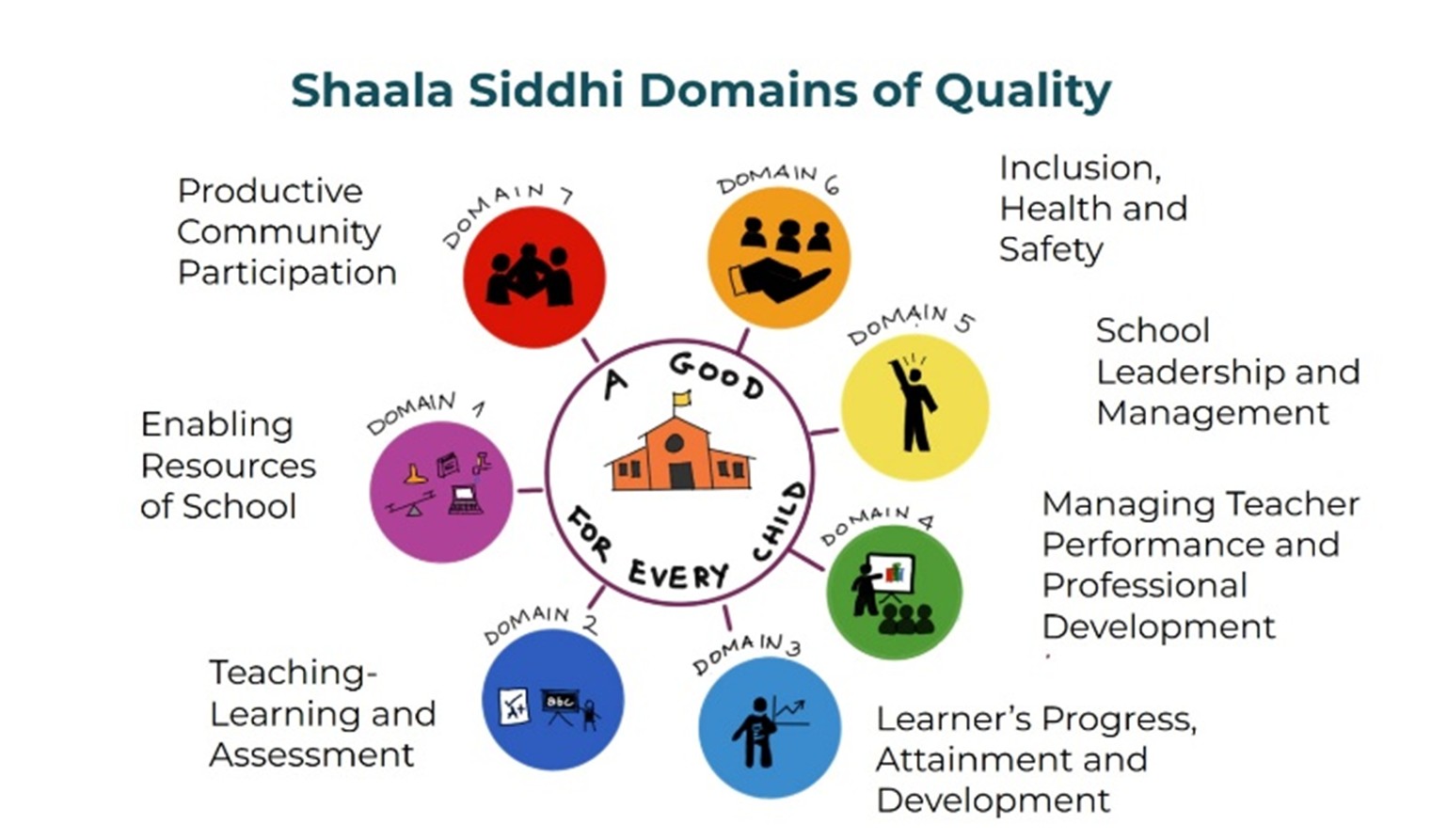
The School Review Improvement Program (SRIP) is an evidence-based process currently using the Shaala Siddhi Framework developed by the National Institute of Educational Planning and Management (NIEPA) to support schools in their self-evaluations and improvement efforts. This framework covers seven domains of school quality, each divided into a total of 46 core standards, and schools rate themselves on a 3-point scale: Level 1 (lowest), Level 2 (moderate), and Level 3 (highest).
A review was conducted across 16 districts and results were collected from 1288 schools. It revealed important insights into the current state of government schools in Nagaland. Here we are highlighting a few – as strengths, it was recorded that more than 11% of schools have a vision and mission statement and about 29% of schools are rated at level 2 for organising School Management Committee (SMC) meetings in line with mandates. But when we look at challenges, over 95% of schools lack a proper library and 94% of schools face inadequate drinking water supply, impacting student health and well-being. Almost 98.4% of schools use community resources but lack significant initiatives to promote local history or traditional knowledge among students.
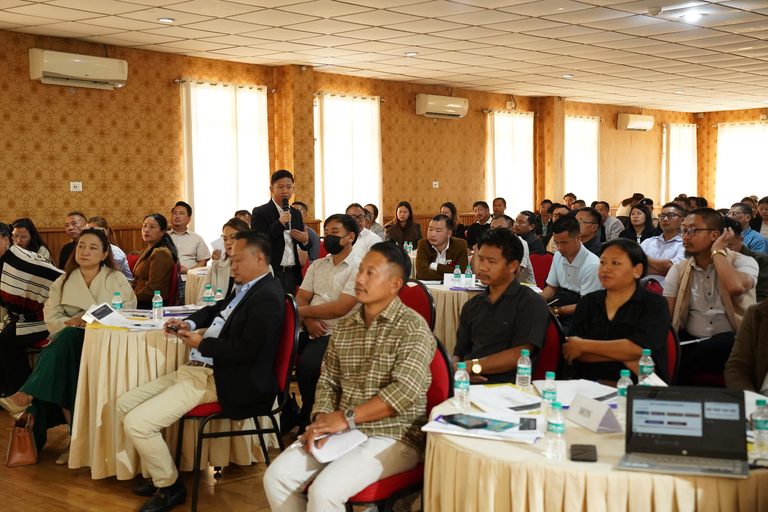
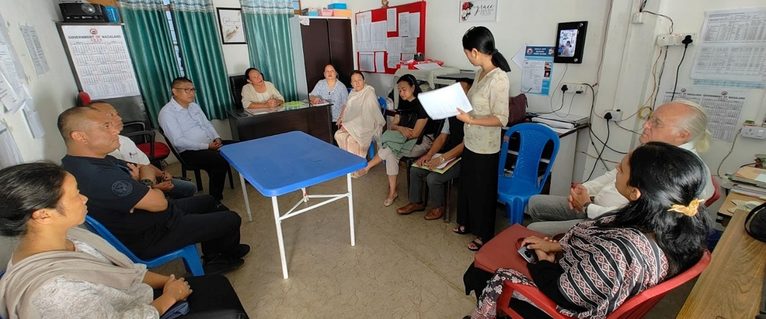
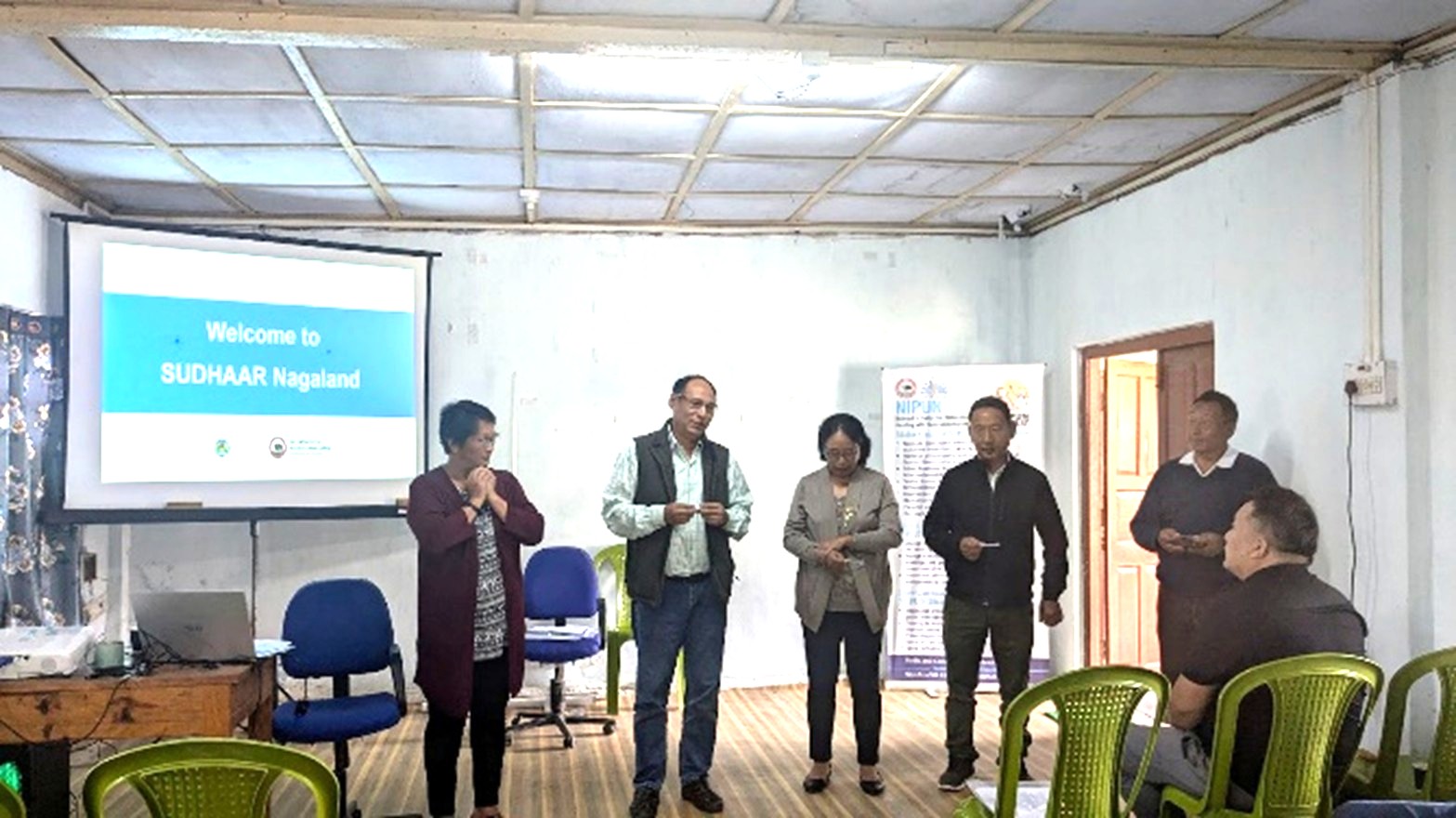
To address the gaps identified in these reviews, a series of capacity-building sessions were organised for school leaders and administrators. In total, 12 State Resource Group (SRG) members participated in a 3-day training program, focusing on Modules 2 and 3 of the SRIP. Module 2 focuses on understanding review reports, understanding how to create action plans at both school and peer group levels and Module 3 focuses on making support visits, validating shifts and concepts of Mentoring & Coaching for the PGLs. These modules covered theoretical content and practical sessions, preparing the SRG members to facilitate the same training for 110 District Resource Group (DRG) members. Between September and October, 13 DRGs held 2-day training sessions for 94 Peer Group Leaders (PGLs), equipping them with the skills to understand review reports, create action plans, and conduct support visits.
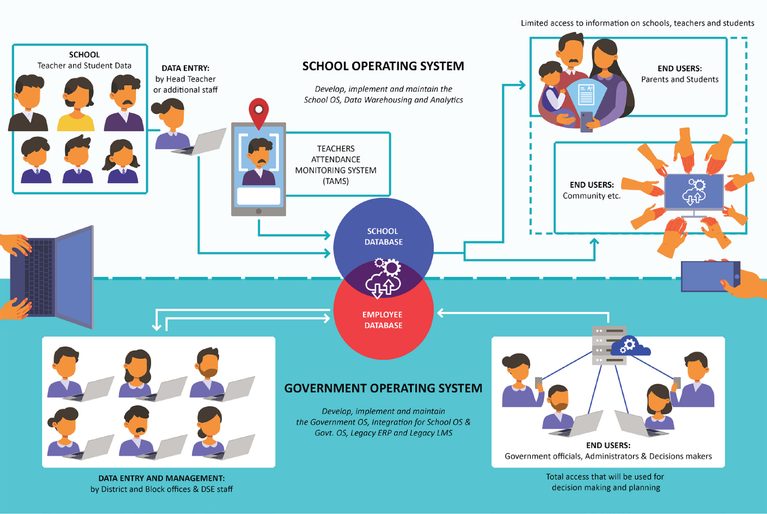
The training also introduced two key digital tools—Abhyaas and Sudhaar—to support school
leaders in creating actionable plans and monitoring their progress. Abhyaas is an online platform
for educational leaders to enhance their expertise, while Sudhaar Nagaland is a mobile app that
enables school leaders to track standards, plan improvements, and log their visits and support
activities. These tools will be eventually integrated into the Nagaland Education Management
Information System (EMIS).
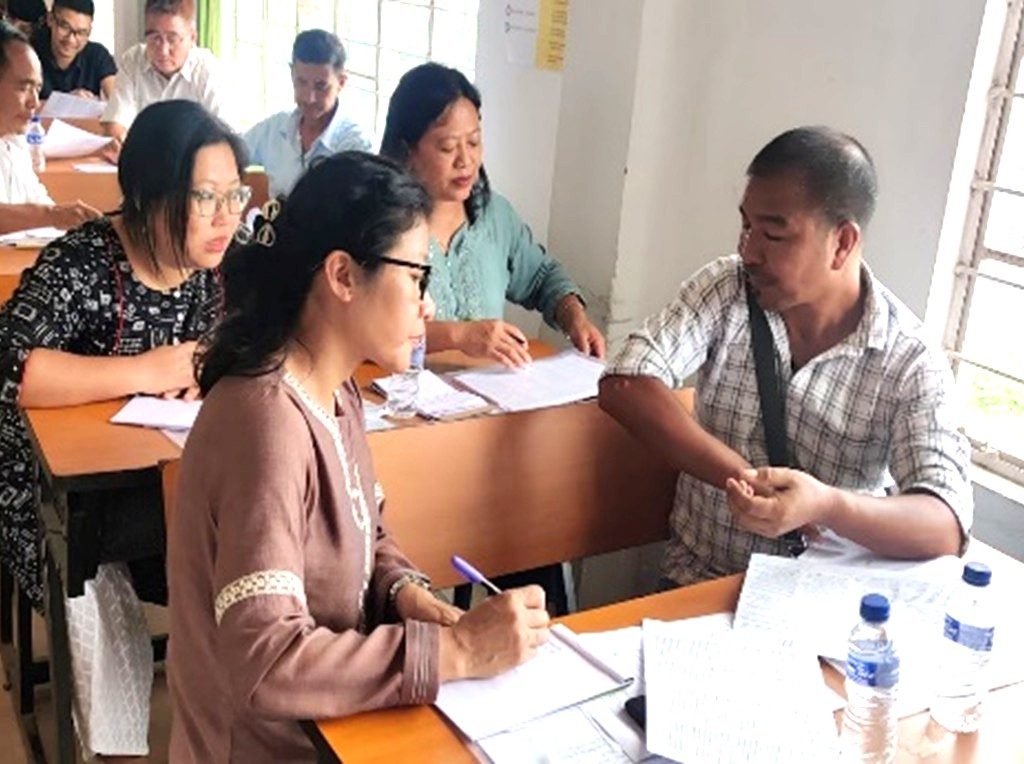
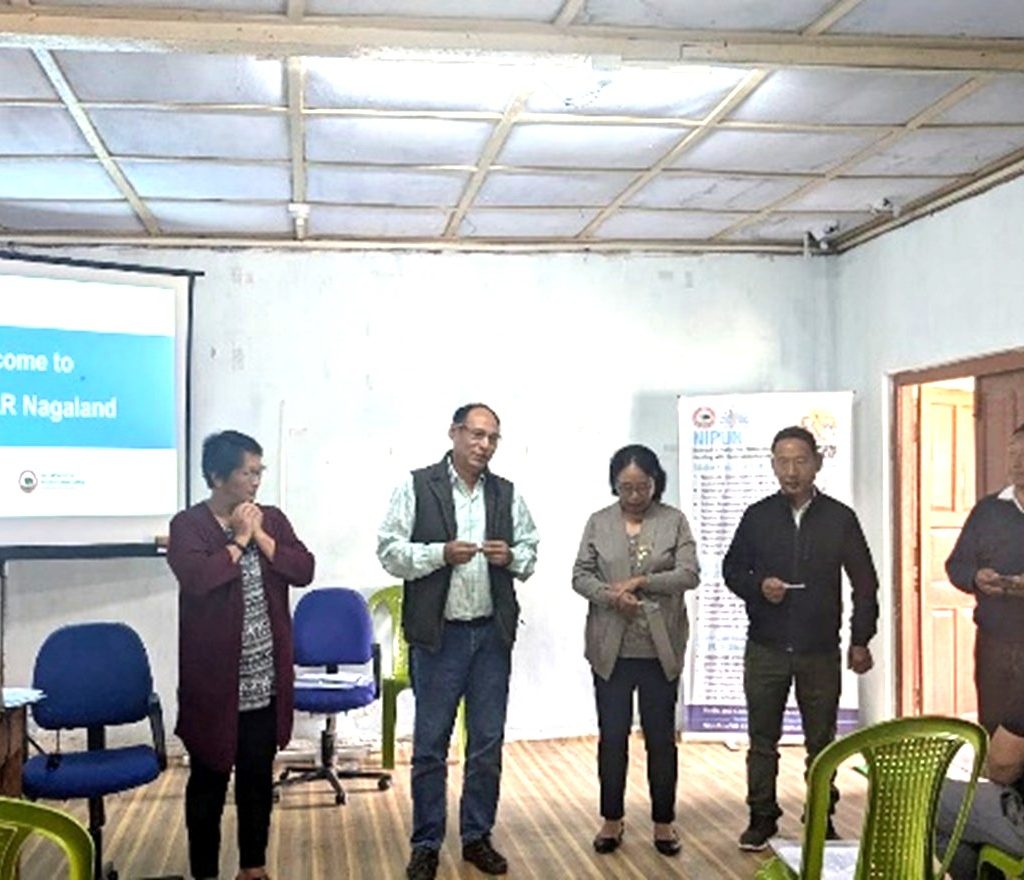
The training also introduced two key digital tools—Abhyaas and Sudhaar—to support school leaders in creating actionable plans and monitoring their progress. Abhyaas is an online platform for educational leaders to enhance their expertise, while Sudhaar Nagaland is a mobile app that enables school leaders to track standards, plan improvements, and log their visits and support activities. These tools will be integrated into the Nagaland EMIS.
Feedback from the facilitator and participant highlights the value of these training sessions in fostering a more organised and systematic approach to school management and improvement:
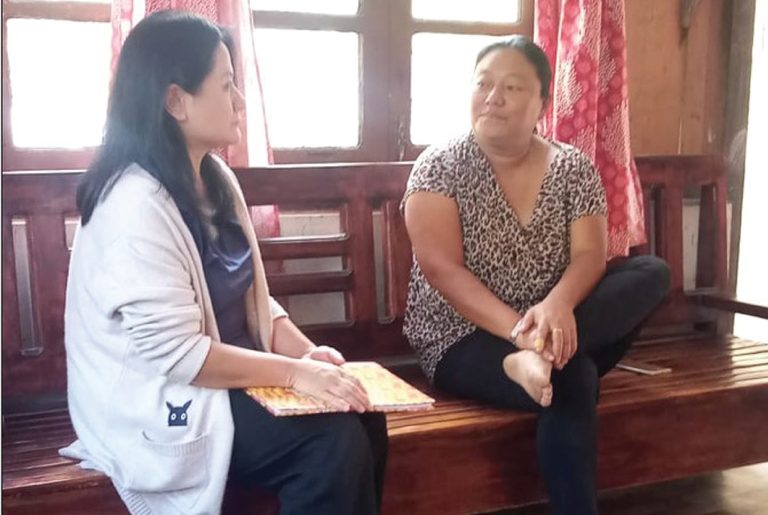
T K Kewetsheu, Head Teacher at GMS Losa Basa, expressed how the training helped her understand the importance of the school review process. She said, “I had always found the annual review process complicated, but after participating in this training, I now see its necessity. The hands-on approach to creating action plans and receiving peer support has been incredibly helpful. The SUDHAAR app has also been instrumental in helping me stay on track with our school’s improvement goals.”
Bendanglila, an EBRC Coordinator in Kubolong, emphasised the importance of collaboration among administrators, teachers, and School Management Committees (SMC) for effective school development. She noted that the training has helped her become more organised in her planning and believes the SRIP method can bring targeted improvements when applied systematically.
Conclusion
While the challenges faced by schools in Nagaland are significant, the capacity-building efforts, use of technology, and collaborative reviews are setting the stage for meaningful improvements. Through this process, schools can develop actionable plans that address their unique needs, improve the quality of teaching and learning, and ultimately provide a better educational experience for students. The journey toward a better, more inclusive education system in Nagaland is underway, and the involvement of school leaders, teachers, and the community is essential to driving positive change.