PEER GROUPS
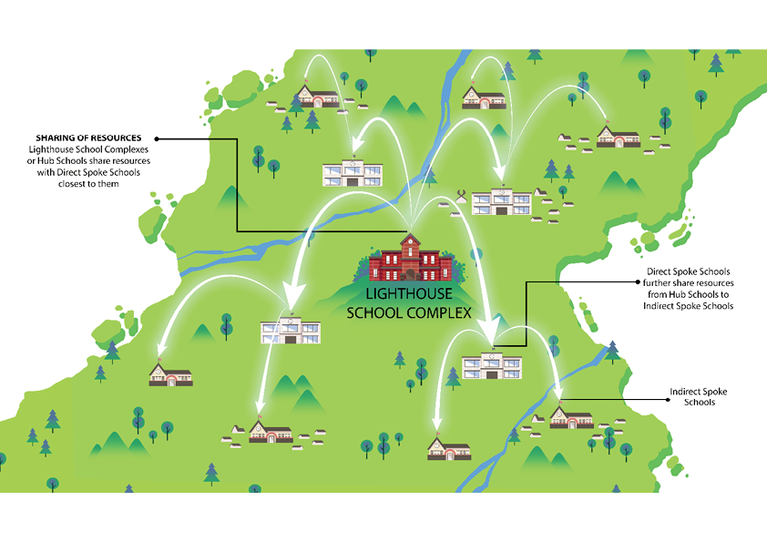
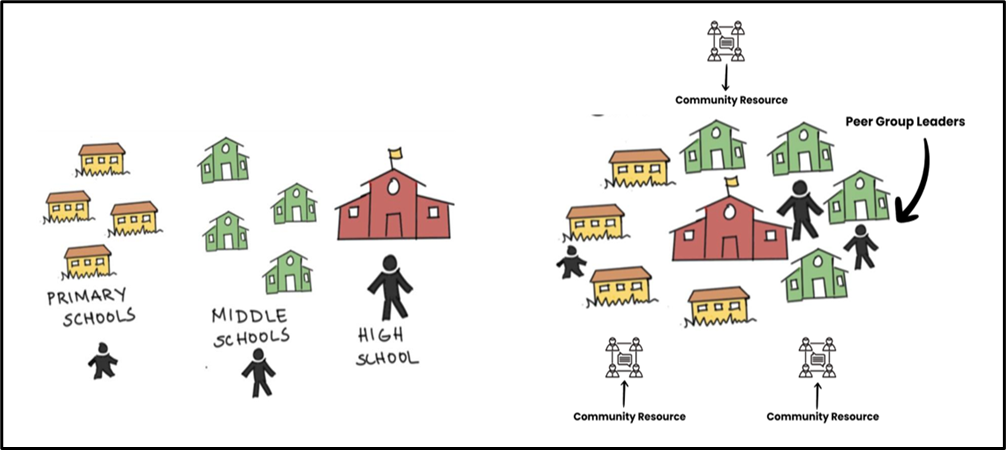
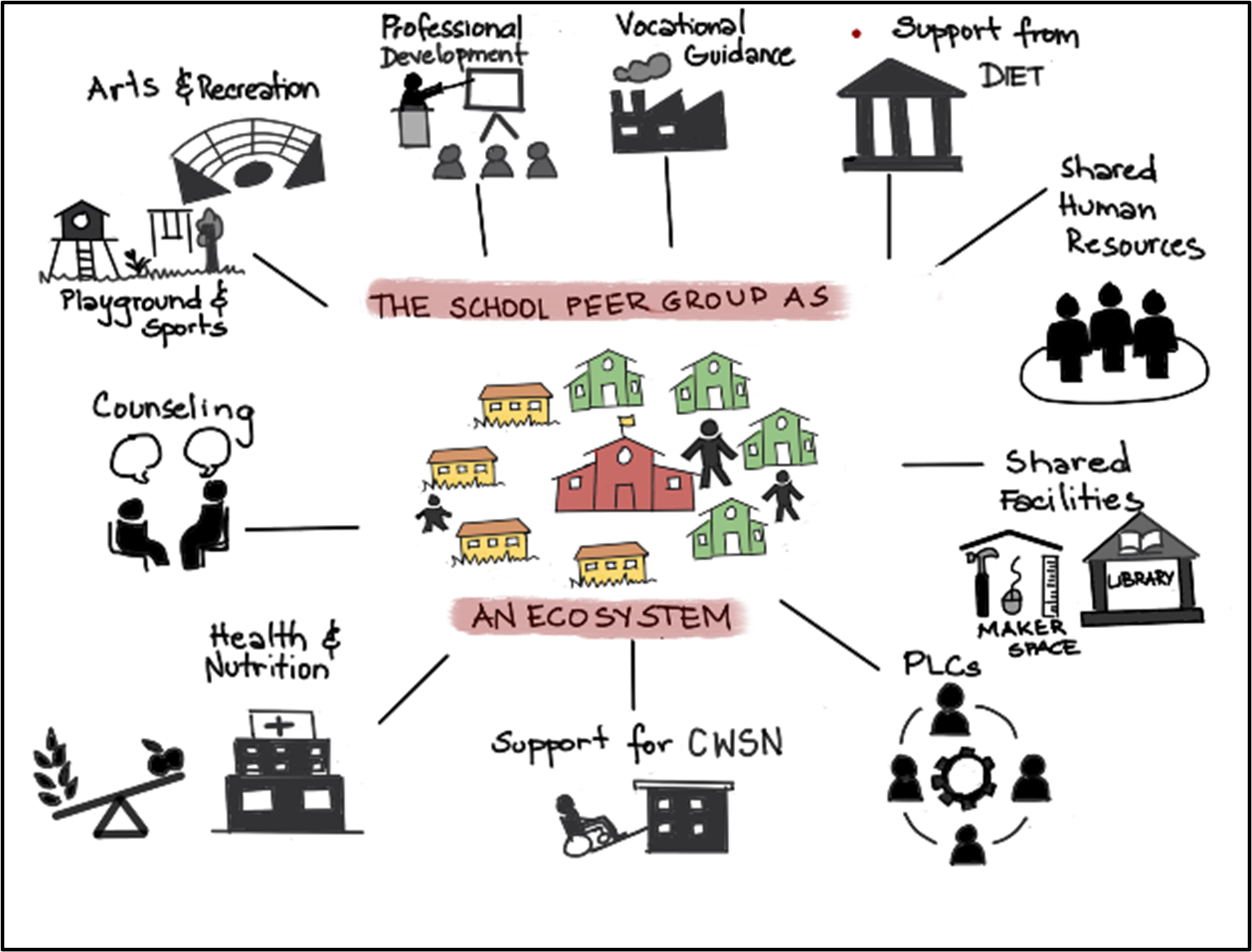
In alignment with the National Education Policy (NEP) 2020, Nagaland has introduced Peer Groups (PGs) as an initiative to foster collaboration and resource pooling among geographically proximate schools. These groups, encompassing primary, middle, high, and higher secondary schools, aim to create a unified educational ecosystem with enhanced quality of education by leveraging shared resources, fostering collaboration, and ensuring that all students, regardless of their school’s individual capacity, have access to comprehensive educational opportunities.
Currently, under the NECTAR project, 456 Peer Groups have been constituted across the sixteen districts of Nagaland, each supported by 955 designated Peer Group Leaders (PGLs).
WHO ARE THE PEER GROUP LEADERS (PGLs)?
Peer Group Leaders play a pivotal role in facilitating the cohesion and effectiveness of their respective groups. Each PG has at least two school heads selected from the highest-level schools within the group, for instance, the school leaders of GHSS and GHS. If GHSS is not part of the peer group, then PGLs are selected from GHS or GMS.
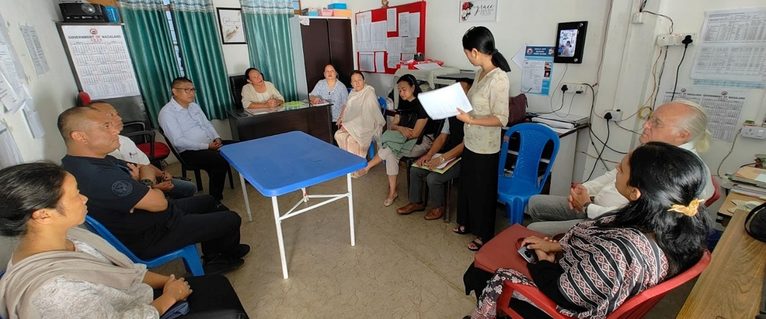
These leaders are tasked with organising regular PG meetings, coordinating school reviews and supporting visits, and fostering the exchange of educational resources among member schools. They also serve as liaisons between their PGs and district education authorities, identifying additional resource needs and advocating for necessary support. Beyond assessment and improvement planning, PGLs also play a crucial role in monitoring and celebrating the successes of their PG schools. They regularly share updates on school performance and improvement initiatives with district education authorities, ensuring transparency and accountability in the educational process.
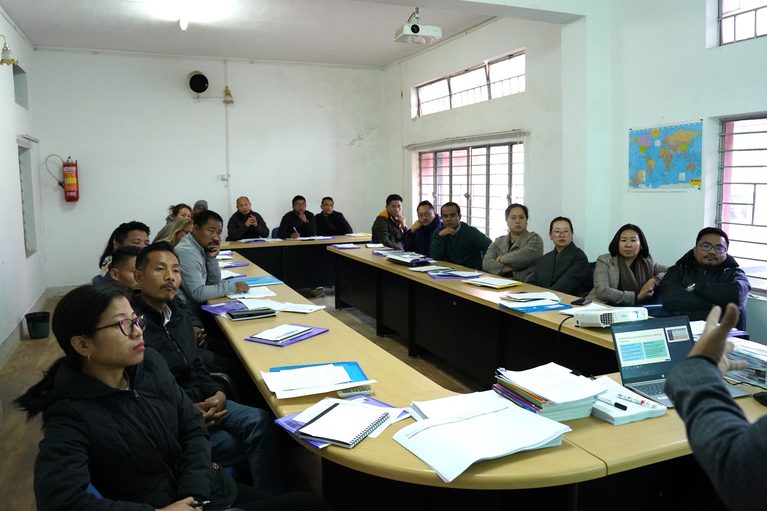
A significant responsibility of PGLs is overseeing the School Review and Improvement Programme (SRIP)—based on the nationalised Shaala Siddhi Framework—in their PGs. To this end, the PGLs completed a comprehensive two-day training focusing on Module 1 of the SRIP curriculum. The training equipped PGLs to initiate and oversee structured reviews of member schools within their PGs.
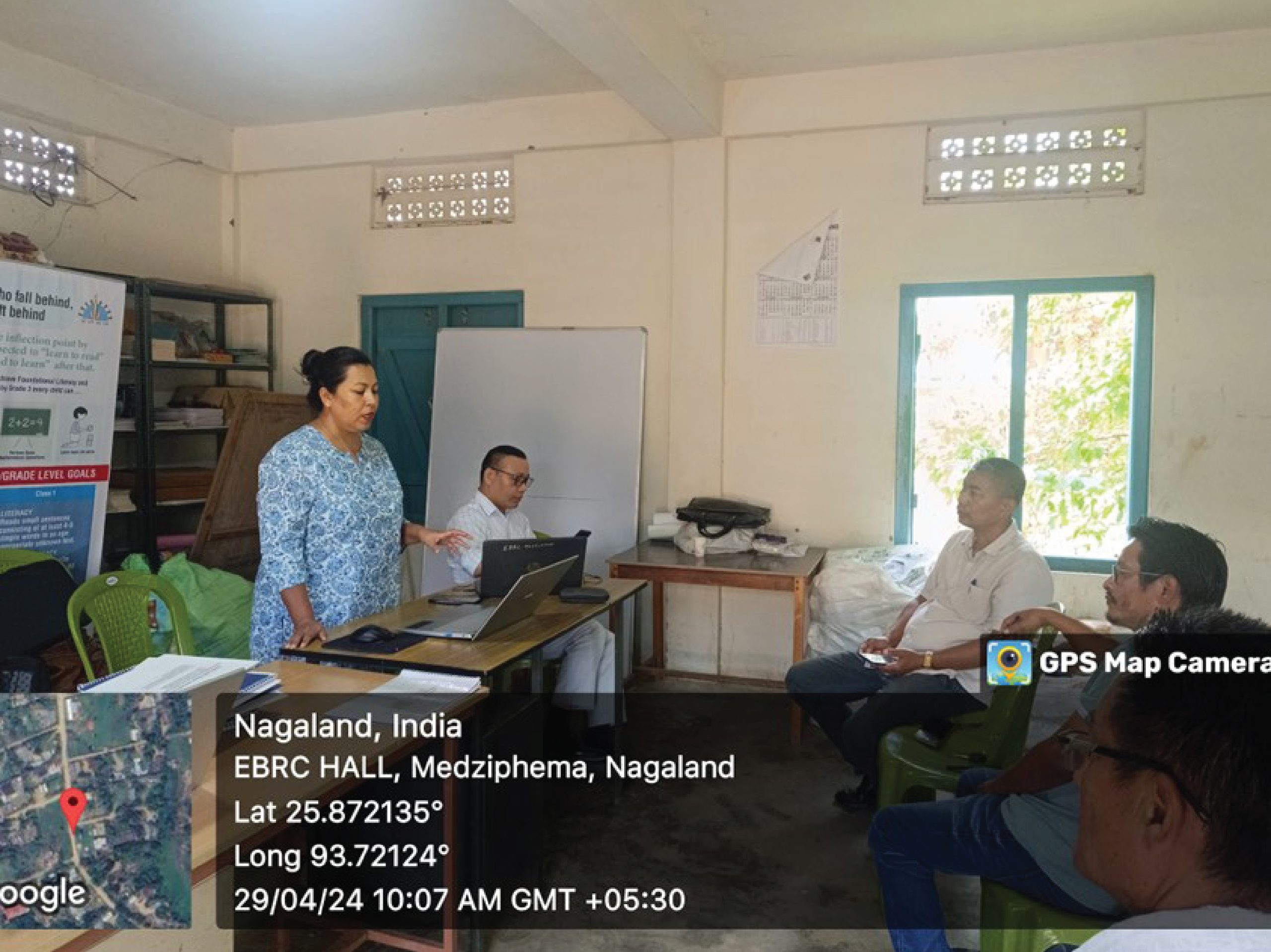
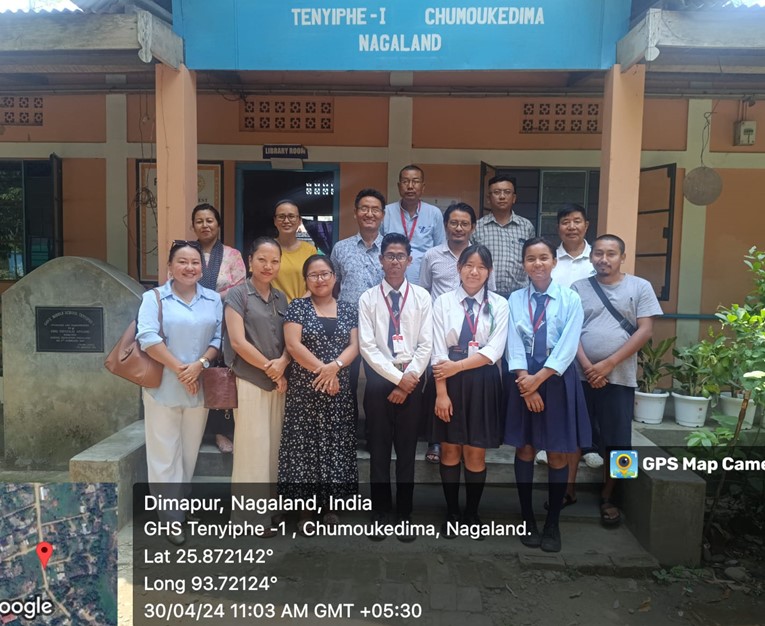
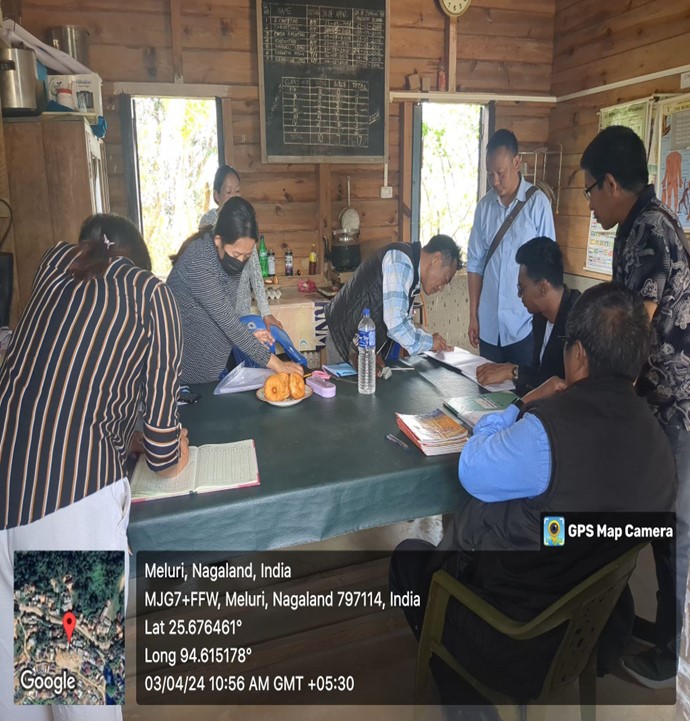
The SRIP process, led by a PGL from another school within the same PG, involves conducting a collaborative school review that includes stakeholders like teacher representative, SMC/SMDC representatives, parent representatives, and student representatives (class 8 and above).
Using the four prescribed evidence-collection methods: Learning Walks, Classroom Observations, Stakeholder Interactions, and Document Reviews, the School Team undertakes the review. These methods aim to gather comprehensive evidence of each school’s educational practices, strengths, and areas for improvement.