PIG MONITORING AND ASSESSMENT
EXPERIENCES OF AREA ADMINISTRATIVE OFFICERS
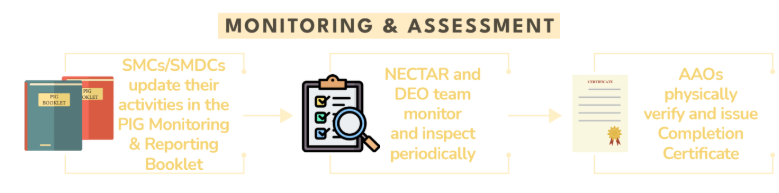
Area Administrative Officers (AAOs) play a crucial role in strengthening community participation for school development. They buttress the Performance Incentive Grants’ monitoring mechanism
by conducting the final inspection through physical visits to schools and issuing a Completion
Certificate. On satisfactory performance by the School Management Committee/School Management and Development Committee (SMC/SMDC) in a particular instalment, the next
instalment is approved. In many cases, they have mobilised community efforts, helped recruit
members for SMCs/SMDCs, personally overseen activities, and raised awareness about NECTAR’s
initiatives. The stories featured below are accounts of the experiences of two officers.
MEMOIRS FROM PEREN AND ZUNHEBOTO

Imtinungla Longkumer
Extra Assistant Commissioner (EAC)
Satakha with Addl. Charge of Saptiqa, Zunheboto
and former EAC Jalukie, Peren
Delving into the challenges faced by Government schools, the Performance Incentive Grants
(PIG) has been thoughtfully designed. It leverages the strong community spirit of Nagas by
incorporating community participation, thereby conveying the message that the development
of education is a collective responsibility. PIG promotes sharing responsibility equally among all
stakeholders – upon teachers to impart valuable teaching to the students, upon students to pay
attention to learning, upon the community to ensure that every child is sent to school and to be
present during meetings, upon Department Officials to inspect schools on a regular basis, and
upon Area Administrative Officers to provide unbiased evaluation.
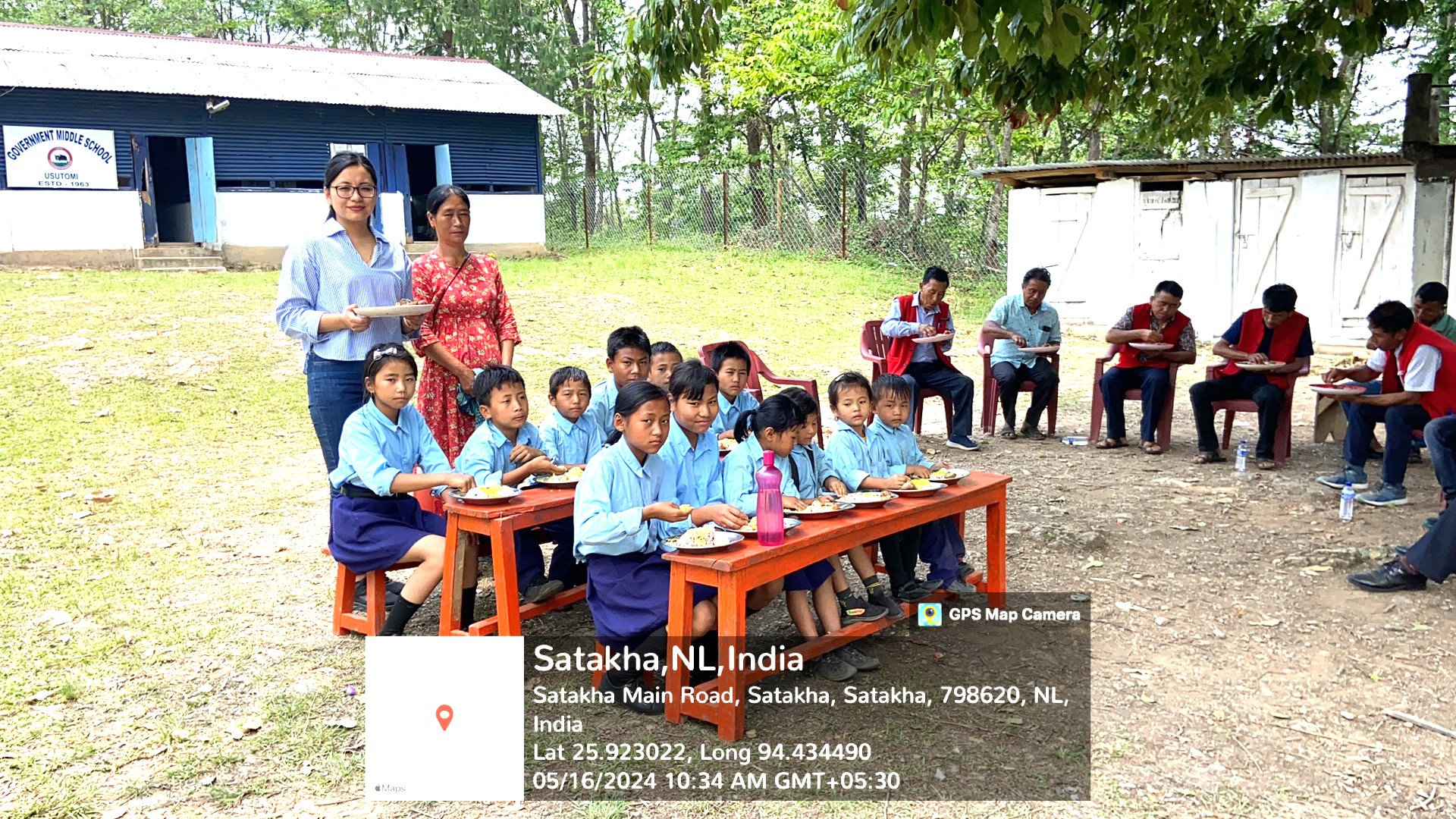
Having served in Peren and serving in Zunheboto currently, I have witnessed stakeholders fulfilling their roles effectively. The community’s contributions to schools under PIG have been commendable, with outstanding examples from Government Primary School, Benreu (under Ngwalwa Circle), Peren and Government Middle School, Usutomi (under Saptiqa Circle), Zunheboto.
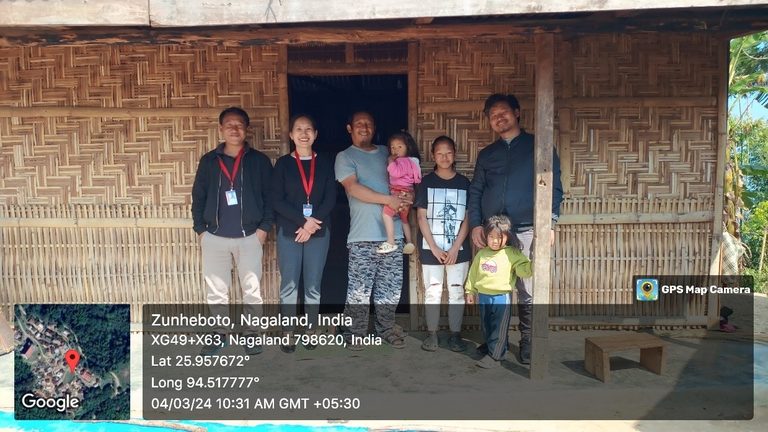
A remarkable feature of the PIG is to entrust Area Administrative Officers with the final monitoring and evaluation of its utilisation. It has provided us the opportunity to reach out to every nook and corner of the Circle/Sub-division, to interact with the students, school authorities, and community, and to convey the ground realities to the Department. This has instilled confidence and boosted our dedication to do better for the welfare of the people.
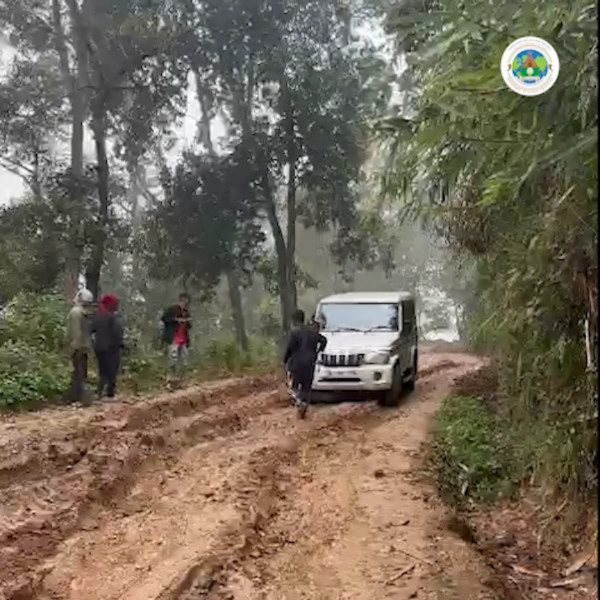
Every cycle of evaluation has been challenging, enriching, and rewarding. There have been many
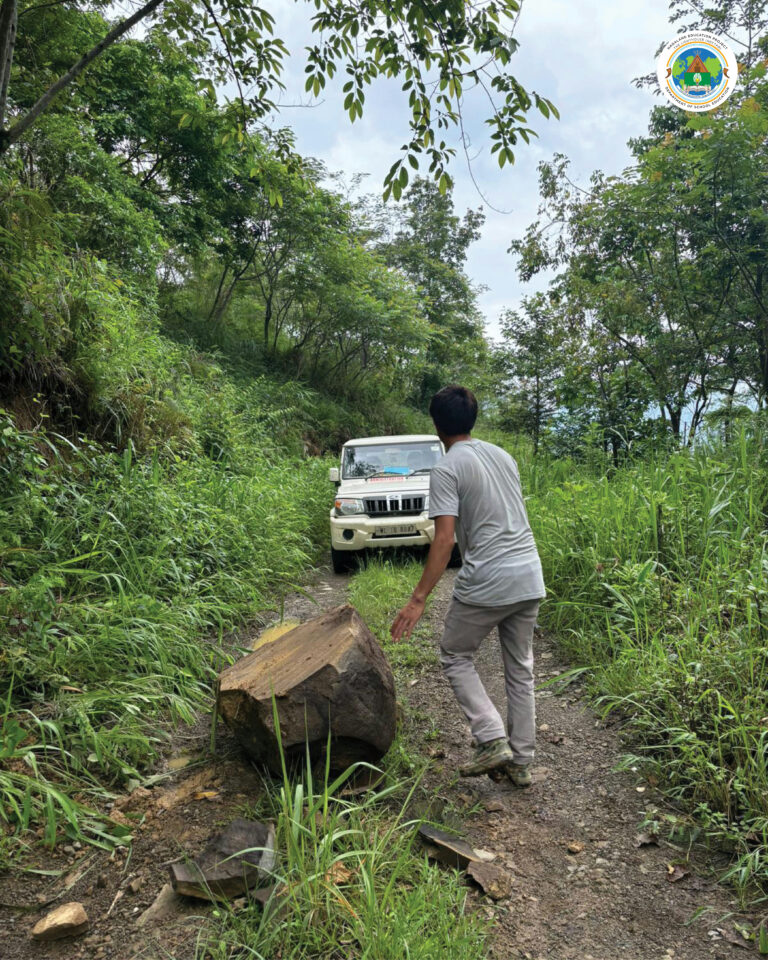
instances when we had to confront bad roads, rough weather, and vehicle damage. Regardless of the difficult terrain and connectivity problems, it was heartwarming and encouraging to learn that the Head Teacher of GPS Helagem in Peren district has been serving for the past nine years. During monsoons, when the roads are difficult to traverse and vehicles are hard to come by, he walks for long hours to reach the village. Despite the hurdles, he finds contentment in his call of duty. It is a testament to his dedication to the noble profession of teaching.
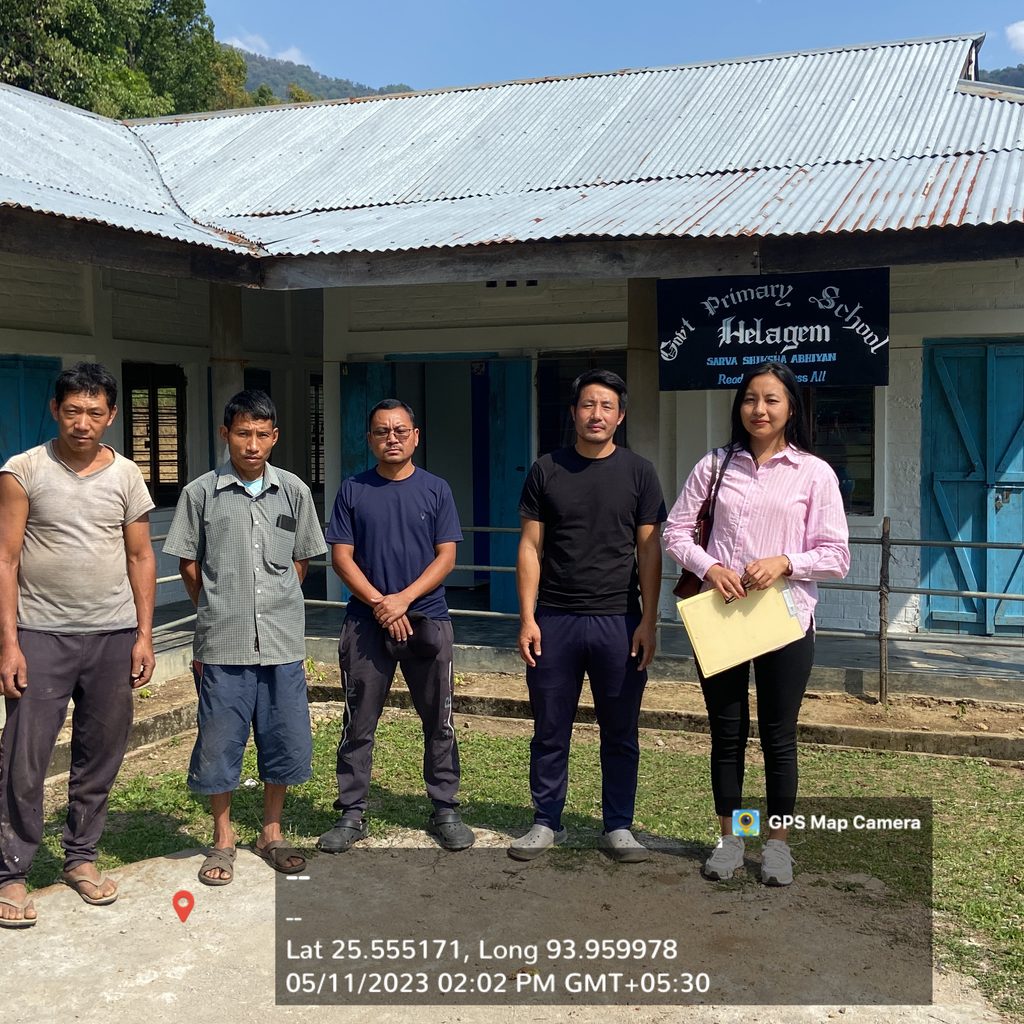
The Head Teacher’s friend from a surrounding village offered to accompany us and help with navigating to Helagem village. We took on the journey prepared with a machete, crowbar, spade, and shovel. The rough and narrow roads made the ride treacherous.
We managed to reach Jalukie late in the evening with the vehicle suffering damages reeking of
engine wear and tear. It was sent to the garage the following day. In another episode, the visit to
GPS Ngwalwa Forest Gate, Peren produced a flat tyre straight upon arrival.
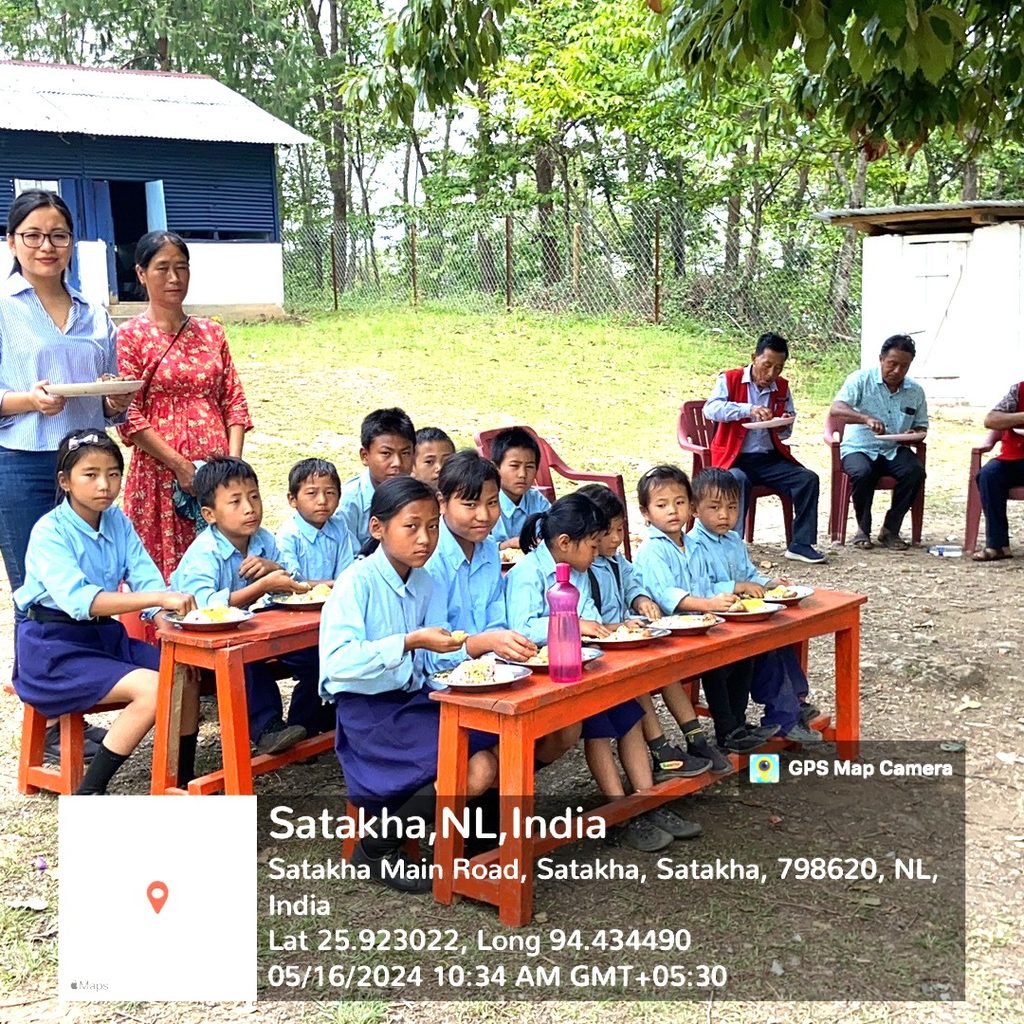
During my assignment in Zunheboto district, the most challenging of all the evaluation cycles
was in the month of May 2024. There were thirty-two schools to be covered from Satakha,
Saptiqa and Satoi Sub-Divisons in Zunheboto District. After assessing the last school GPS Khuvuxu under Satoi circle, the team made its exit through the village road on the Kiphire-
Meluri Highway, drove up straight to Meluri, then Phek town from Lanye bridge and entered Satakha via Chipoketa. The evaluation for GHS Xamunoboto, GPS Vishepu, and GHS Xuivi was done between 6:00 PM and 8:00 PM on the same day under a torchlight because a great storm had raged in. I am not the one to complain; these are memories to be cherished.
PIG has created an environment that is conducive to learning. It has instilled greater enthusiasm
in the teachers to serve better, to make good use of the learning aids that have been acquired
through the grants to impart quality teaching to the children, to increase student enrolment, and arrest the issue of dropouts. A natural consequence of this transformation in many schools has
been a positive trend in student enrolment (both fresh and dropouts), and this is an aspect that
needs to be celebrated. With adequately trained teachers, Government schools should strive to
become high-performing schools. One can hope that there is consistency, the zeal to do better,
and most importantly, the responsibility in every school and stakeholder to maintain and preserve with utmost care all that has been created with a purpose.
GMS KENCHENSHU, MON – A STORY OF CHANGE

Wiridin
Extra Assistant Commissioner
Mopong, Mon
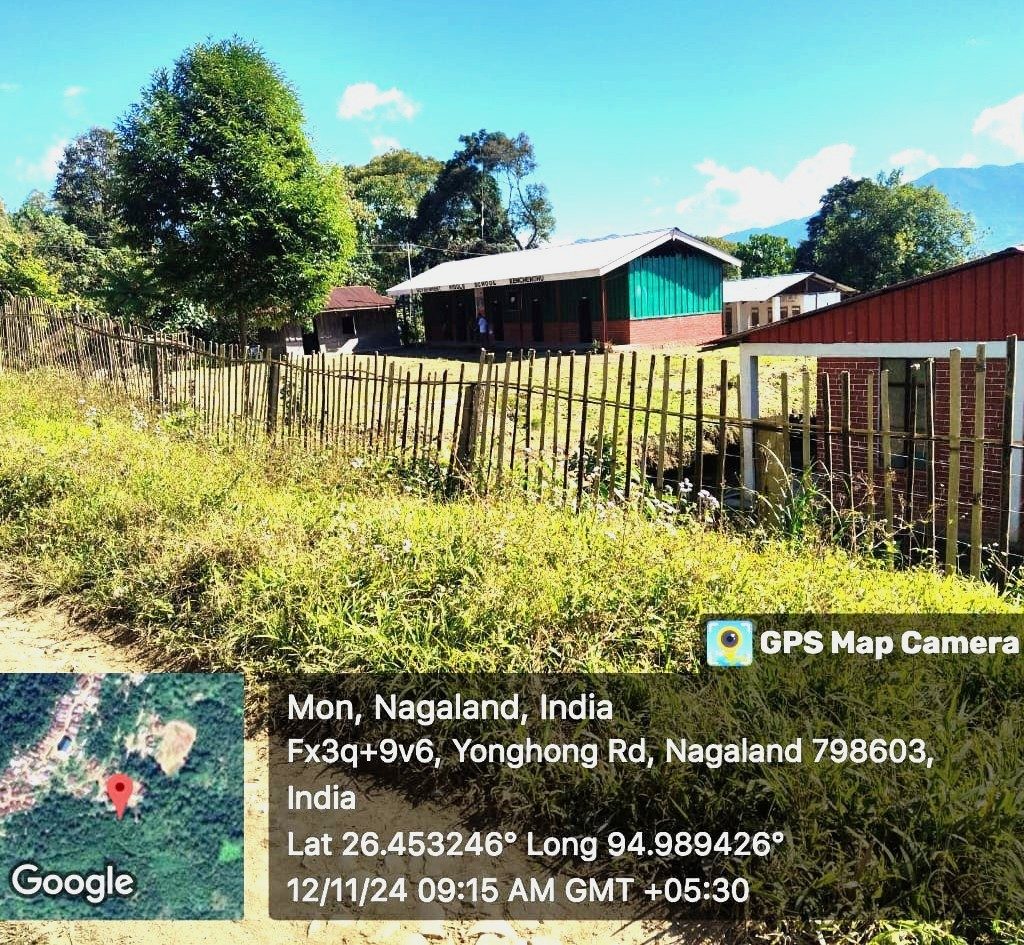
Located in the Tobu sub-division of Mon District, GMS Kenchenshu caters not only to the village but also to the surrounding villages. The school received the first instalment of Performance Incentive Grants (PIG) in December 2022. However, when Wiridin, the Extra Assistant Commissioner (EAC), visited the school for monitoring, he found that the grants were not utilised satisfactorily. Therefore, the school was placed under the ‘Extremely poor performance’ and ‘Under review’ categories.
The officer took it upon himself to bring about improvements in the utilisation of the Performance Incentive Grants. He conducted a meeting with the Village Council, the School Management Committee (SMC), and the Student Union of the village and expressed his displeasure with the works that were carried out. He also educated them about the objectives of Nagaland Education Project—The Lighthouse (NECTAR) and asked them to wholeheartedly execute the sanctioned works under PIG as their ‘own sons and daughters’ would benefit from it. As a result of the meeting, a new SMC was constituted, and the head teacher was replaced.
The EAC further assured the Project Management Unit (PMU) of NECTAR that he would
personally monitor the school’s work progress under PIG. The newly appointed SMC Chairman
wrote a commitment letter assuring that the development works would be executed properly.
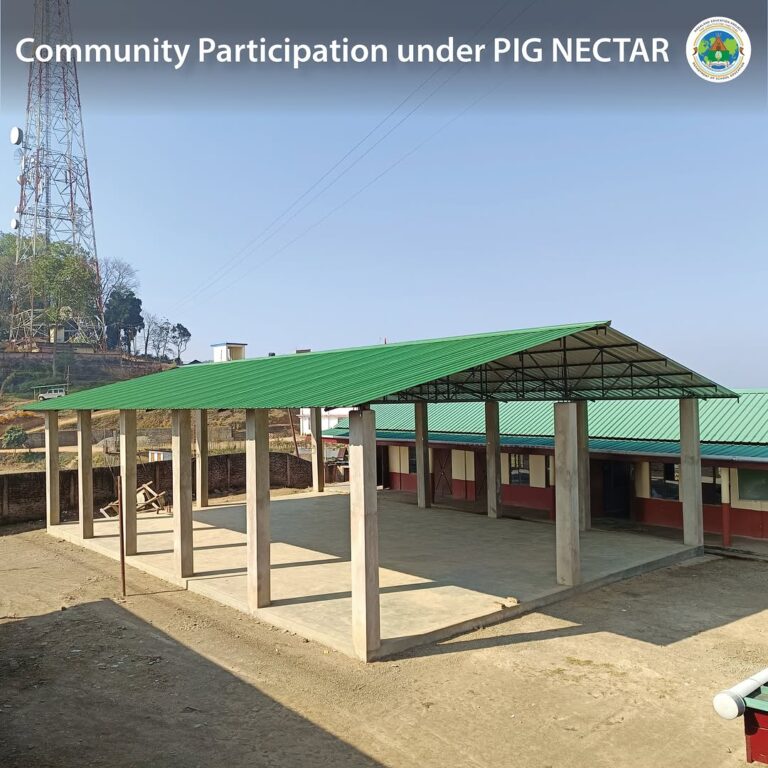
The community came forward and contributed bricks, wood, bamboo walls, and free labour.
As a result, the school received a facelift and its infrastructure is improving. Utilising the subsequent instalments of PIG, the school has put up ceilings, plastered the floor, painted the
roof and interiors, and erected a school gate and fencing. Drawing attention to the vital role Area
Administrative Officers play in the successful implementation of the PIG programme, Mr Wiridin
remarks:
“As part of the PIG monitoring and evaluation process, officers are required to visit schools to
review and inspect the PIG activities executed by each school. Due to this process, schools also
make sure to complete the works to the best of their capability. This also provides an opportunity
for us to conduct additional assessments, such as identifying proxy teachers, monitoring employee absenteeism, and more. As a result, we also play a broader role in the education ecosystem, and hopefully, this will bring about a positive outcome.”
The influence of Mr Wiridin on GMS Kenchenshu shows that positive changes can be brought
about in schools by proactive administrative officers that inspire the community for proactive
participation.