Reforming Academic Planning through Annual Curriculum and Pedagogical Plan (ACPP)
The Department of School Education under the Nagaland Education Project – The Lighthouse (NECTAR) has initiated a significant academic reform through the development and rollout of the Annual Curriculum and Pedagogical Plan (ACPP) in Lighthouse School Complexes (LSCs) across all districts. Designed as a structured academic planning framework, ACPP marks an important shift from routine syllabus completion to a more intentional, competency-driven, and learning outcome-oriented model of teaching and learning.
What is ACPP?
The Annual Curriculum and Pedagogical Plan (ACPP) is a comprehensive academic planning document that enables teachers to systematically map Curricular Goals, Competencies, Learning Outcomes, Pedagogical Strategies, Assessment Practices, and Lesson Planning over the course of an academic year. Going beyond mere compliance, ACPP is conceived as a practical teacher support tool that helps schools organise classroom instruction in a coherent, progressive, and measurable manner.
At its core, ACPP follows the principle of backward planning, beginning with what learners are expected to know, understand, and demonstrate by the end of a stage, and then aligning teaching-learning processes to achieve those outcomes. It, therefore, strengthens both school-level academic planning and classroom-level instructional delivery.
Alignment with National Policy and Frameworks
A key strength of ACPP is its close alignment with the broader national educational vision articulated in the National Education Policy (NEP) 2020, the National Curriculum Framework (NCF), and competency-based school level standards outlined in PARAKH’s School Quality Assessment and Assurance Framework (SQAAF). This alignment translates broad curricular expectations into stage-specific and subject-specific learning outcomes, thereby helping teachers connect national curriculum intent with local classroom realities.
ACPP supports the NEP mandate of:
• Moving from rote learning to competency-based learning
• Ensuring progression of knowledge and skills across stages
• Integrating assessment with pedagogy
• Making teaching more learner-centred and measurable
Thus, ACPP serves as an operational bridge between policy and practice.
Beyond Academics: ACPP as a Tool for Holistic Learning
Although the ACPP was developed initially around core academic subjects—Language, Mathematics, Science and Social Science—its pedagogical philosophy goes far beyond content transaction. By emphasising clearly defined competencies, activity-based instruction, reflection, collaboration, and assessment for learning, the framework naturally promotes broader dimensions of holistic education.
Teachers are encouraged to design classroom experiences that foster:
• Communication and language skills
• Problem-solving and logical reasoning
• Inquiry and scientific temper
• Socio-emotional development
• Collaboration and teamwork
• Contextual understanding of culture and community
• Use of appropriate teaching-learning materials and technology
In this way, ACPP is not merely an academic calendar but a framework that supports the child’s cognitive, social, emotional, ethical and practical development, in line with the holistic learning vision of NEP 2020.
Community and Parent Engagement in the Nagaland Context
An important and often understated dimension of the ACPP process is that it creates greater possibilities for school-community ownership of learning. As academic expectations, yearly learning progression, and assessment milestones become more visible and structured, schools are better positioned to communicate learning priorities to parents, School Management Committees (SMC), and School Management and Development Committees (SMDC).
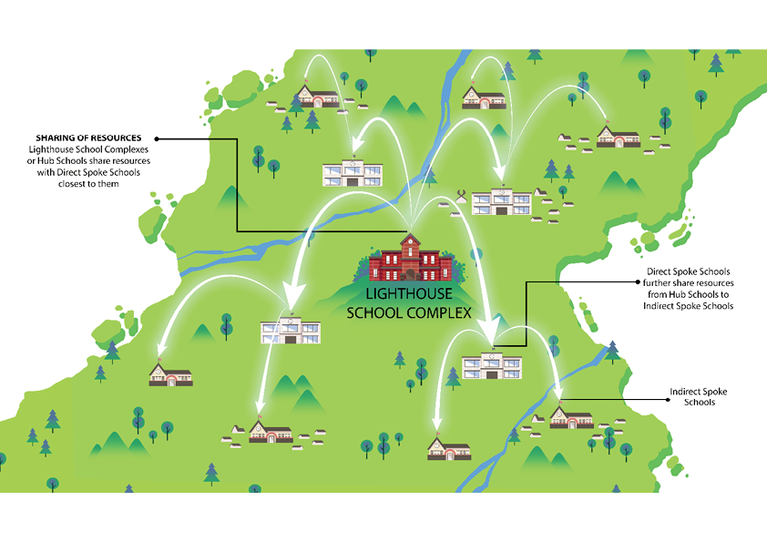
In Nagaland’s Lighthouse School Complex model, where Hub Schools work in close coordination with surrounding Spoke Schools, the collaborative nature of planning also promotes collective academic responsibility. Teachers across schools jointly develop annual plans, discuss contextual challenges, and create locally relevant instructional examples. This allows for the contextual integration of local culture, indigenous knowledge, familiar community examples, and multilingual realities within classrooms.
Such collaborative and context-sensitive planning is particularly significant in Nagaland, where ethnic diversity and varying school conditions often demand locally adaptable teaching strategies.
Implementation Across Lighthouse School Complexes
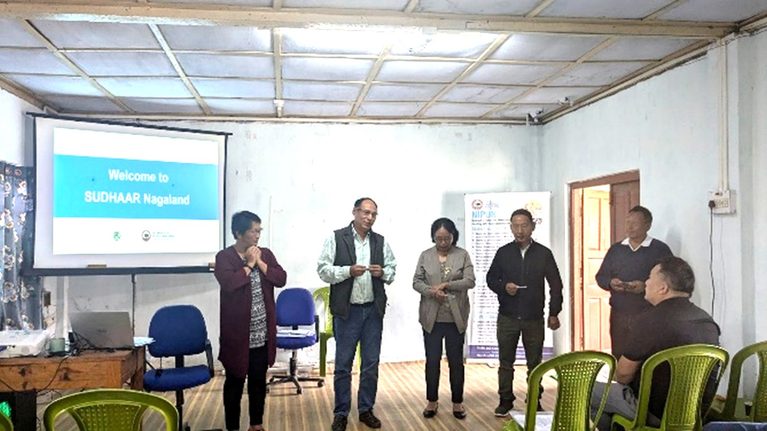
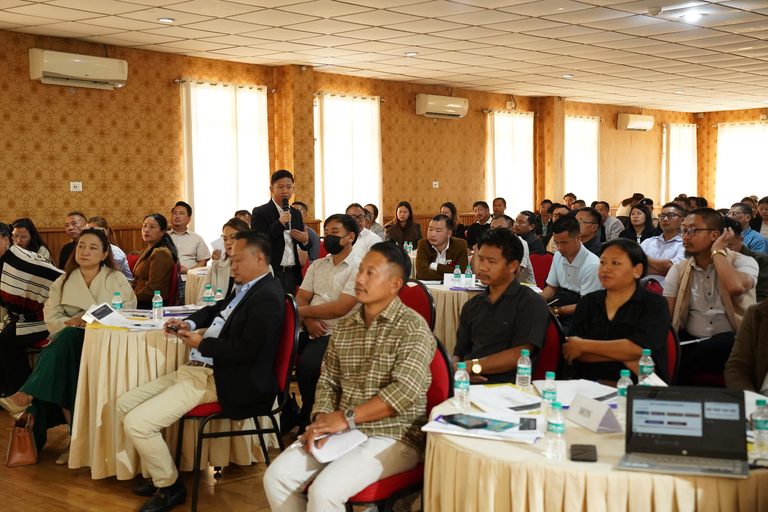
The implementation of ACPP under NECTAR has followed a phased but intensive cascade model. After the initial state-level orientation of Trainers of Trainers (ToTs) and Professional Learning Community (PLC) Presidents and Mentors, district-level LSC training sessions were organised across all Lighthouse School Complexes to support direct teacher engagement with the framework.
The rollout covered teachers of English, Mathematics, Science, and Social Science from all four schooling stages:
• Foundational Stage (Grades A, B, 1, 2)
• Preparatory Stage (Grades 3, 4, 5)
• Middle Stage (Grades 6, 7, 8)
• Secondary Stage (Grades 9, 10)
In the statewide implementation, a total of 1,616 educational stakeholders were trained through the ACPP capacity building process.
Professional Development and Visible Outcomes
The ACPP initiative is one of the largest coordinated professional development exercises conducted under the School Transformation intervention of NECTAR. The state-level training strengthened a technical pool of existing Trainer of Trainers and PLC Subject Presidents and Mentors as Master Trainers, who then led the district and LSC-level rollout.
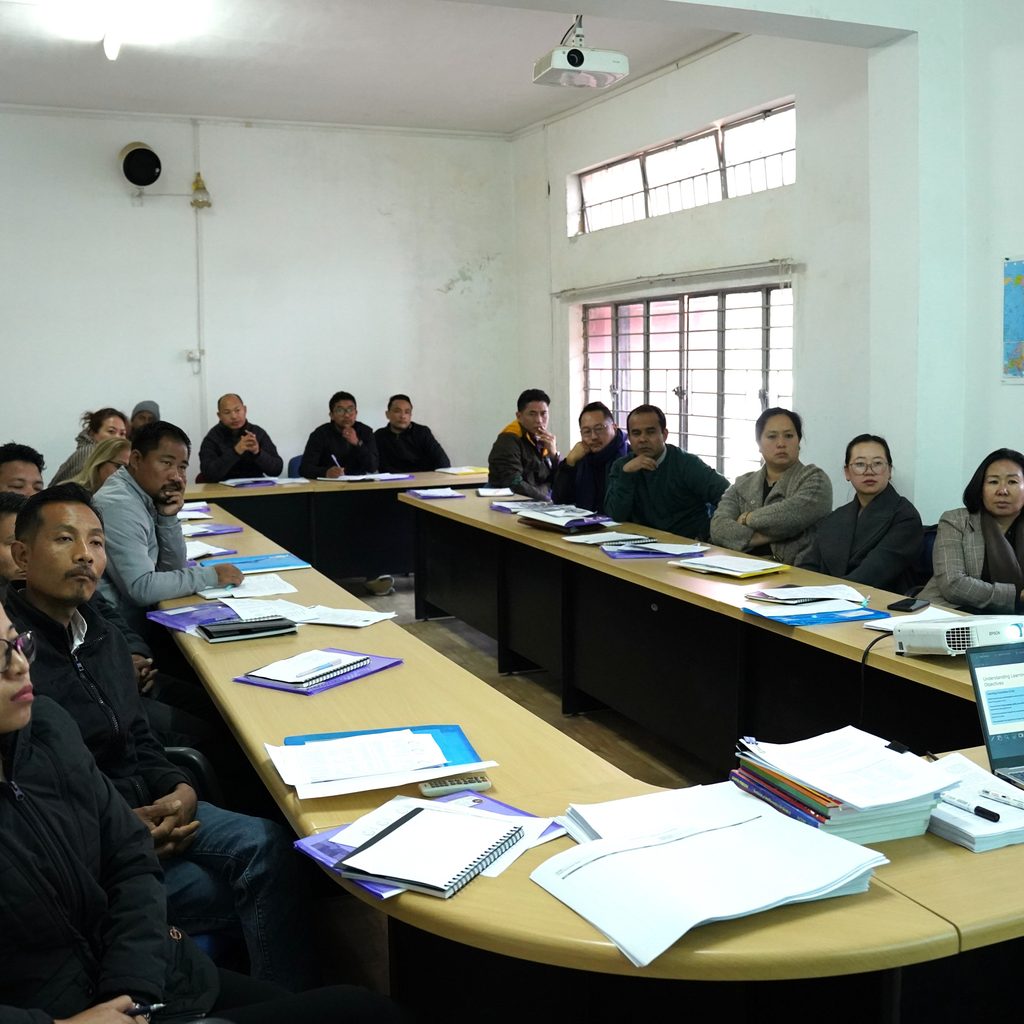
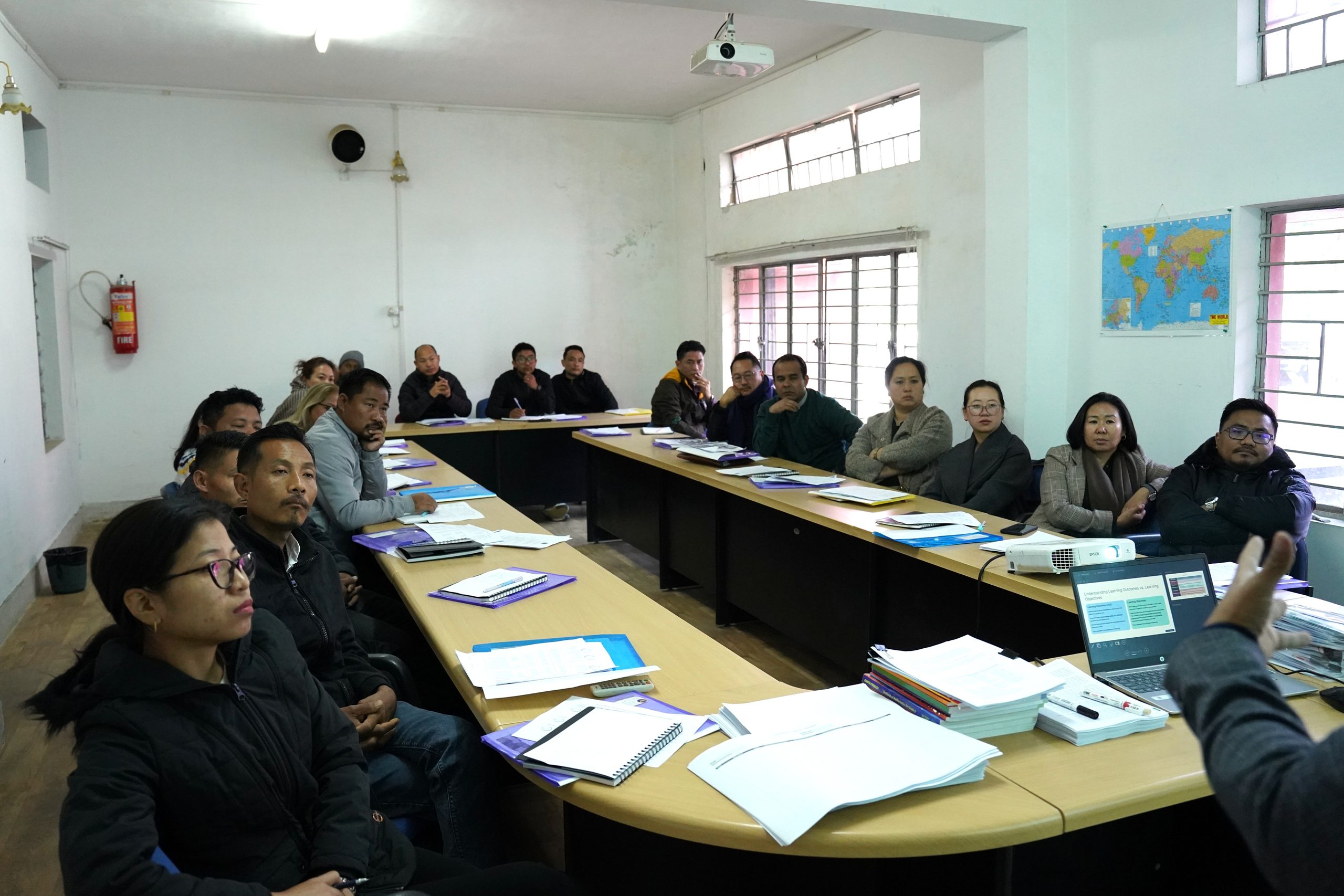
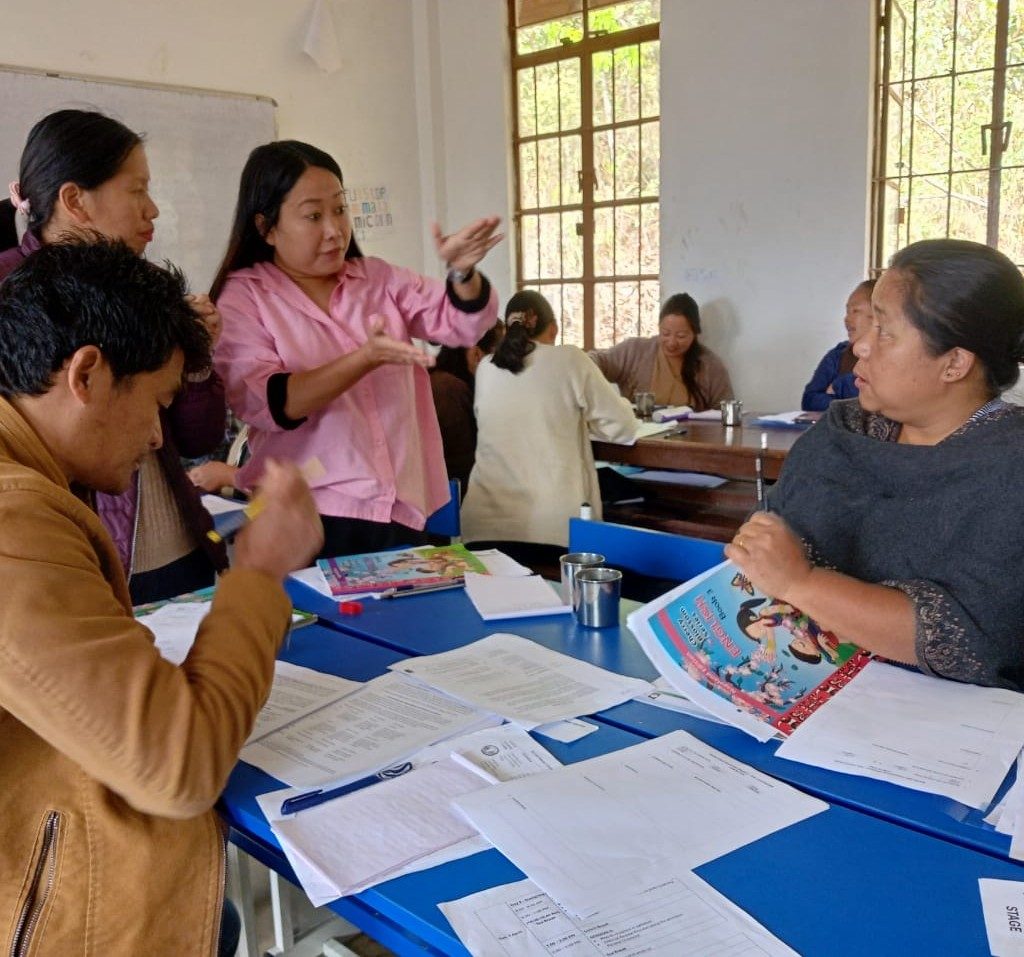
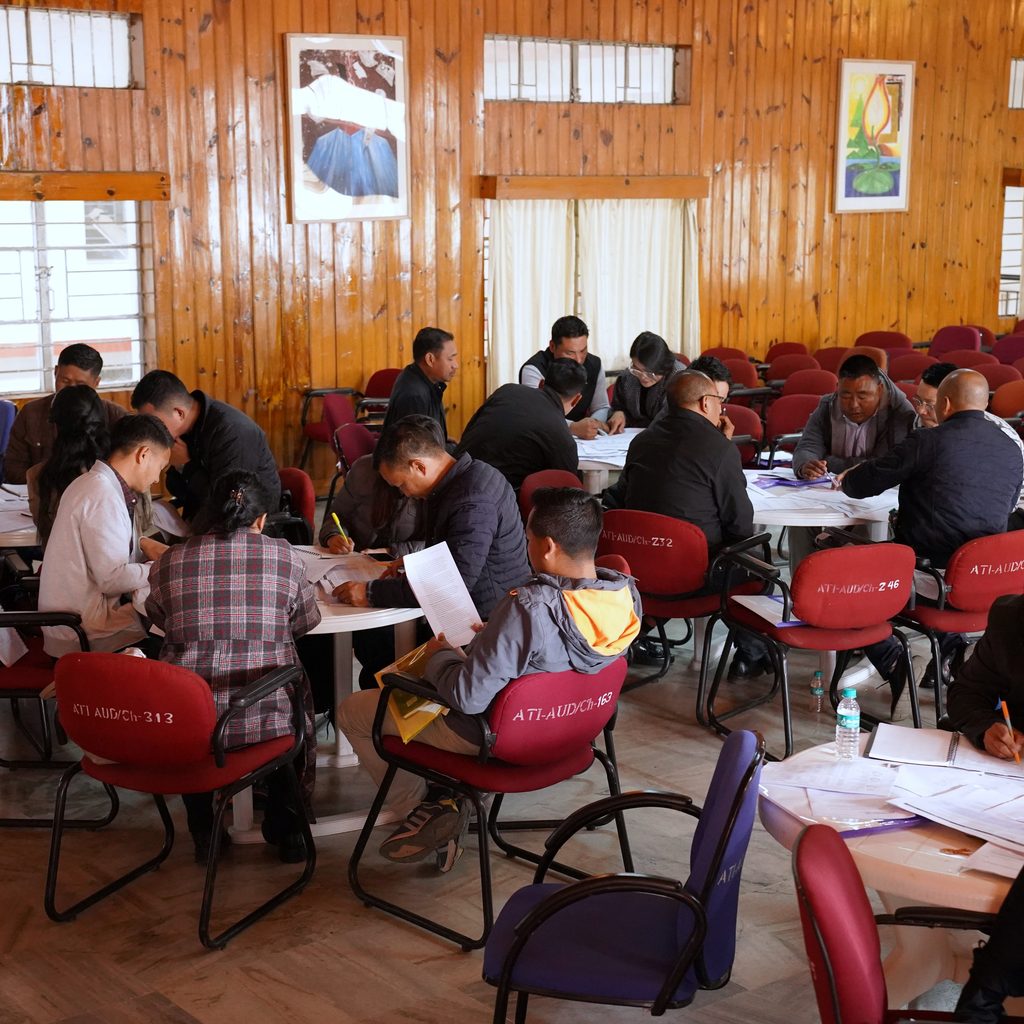
Subsequently, LSC-level training sessions were conducted across all 17 districts, bringing together Hub and Spoke school teachers into collaborative subject groups for intensive three-day practical planning workshops.
Beyond training numbers, this process led to:
• Formation of subject-wise collaborative planning groups
• Enhanced academic mentoring structures
• Creation of common ACPP samples
• Lesson plan development exercises
• A shared understanding of learning outcome progression across stages
This is significant because it moves teacher development away from one-time orientation sessions toward a model of practical academic production and shared accountability.
Rollout and Associated Activities
The ACPP rollout was not limited to lecture-based training. It involved a set of simultaneous technical and academic activities including:
• Orientation on ACPP Level 1 and Level 2 templates and samples
• Subject-wise breakdown of NCF curricular goals into learning outcomes
• Stage-wise syllabus mapping
• Development of instructional objectives and pedagogical strategies
• Design of assessments with a focus on school-based assessments beyond written tests
• Preparation of sample lesson plans
• Peer review and quality checks
• Consolidation of LSC-level annual plans for future classroom use
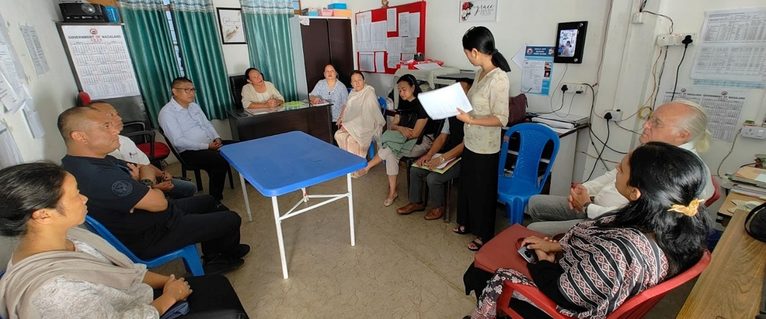
The reports from multiple districts indicate that by the end of the training, teachers not only understood the conceptual basis of ACPP but also collaboratively produced draft LSC-level curriculum plans and lesson planning resources for classroom implementation.
Thus, the rollout combined orientation, technical drafting, peer collaboration, and academic output generation into one integrated process.
Significance for Statewide Educational Transformation
The Annual Curriculum and Pedagogical Plan is positioned to serve as a foundational instrument in Nagaland’s journey towards a more organised, equitable, and outcome-focused school education system. By providing teachers with a clear roadmap from curricular intent to classroom practice, ACPP addresses one of the most persistent gaps in education reform—the disconnect between policy aspirations and day-to-day teaching-learning practices.
Its implementation in LSCs under NECTAR has already demonstrated three important gains: first, a common academic language across districts and school complexes; second, stronger teacher capacity for structured lesson planning and assessment; and third, a shift in institutional mindset from syllabus completion to outcome and competency-based teaching and learning.
As Nagaland strives to realise the vision of the National Education Policy 2020 and transition from traditional approaches to competency-based education, ACPP can provide clarity on grade-wise academic standards within the academic year, enabling aligned planning at all levels, from administration to school level, which will facilitate the achievement of learning outcomes.