
PACE Nagaland – Strengthening Continuous Learning
In a diverse state like Nagaland, stakeholders often feel that they work in isolation with little scope for mutual inspiration and collaborative learning. With a rapidly changing educational landscape, they require continuous opportunities to learn, collaborate, and strengthen their practices. Recognising this need, a learning management system called PACE Nagaland (Professional Advancement and Capacity-building for Educators) was introduced in the state through the NECTAR project.[1]
The platform is currently called Abhyaas, and post-development, it will be known as PACE Nagaland.
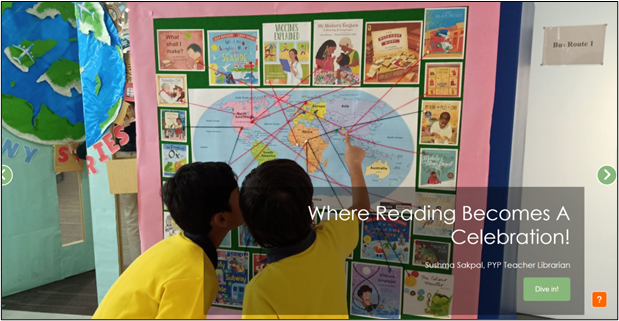
PACE Nagaland was developed as a collaborative platform for leaders and teachers to drive their own professional development journeys by learning from each other’s practices. This collaborative learning ecosystem provides access to practical, easy-to-understand courses, allows learners to learn from peers’ experiences, and share innovative practices from their own schools and classrooms. Designed for self-paced learning, it supports teachers, school leaders, and education officials in acquiring relevant skills to improve classroom teaching-learning practices, school functioning, and leadership effectiveness.
Currently, the platform holds the following course formats for teachers and school leaders:
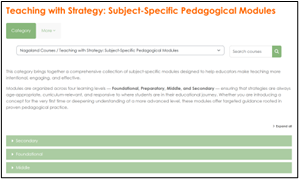
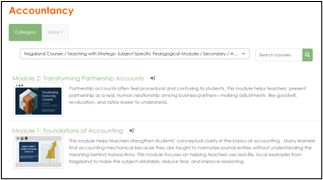
For teachers, this platform provides two course formats. One is peer-developed content that shares real classroom examples, enabling them to apply the insights directly to enhance student learning outcomes. The other is specific to their stage and subject, developed by Subject Matter Experts (SME) from NECTAR’s Professional Learning Communities (PLC) in collaboration with SMEs from NBSE and SCERT.
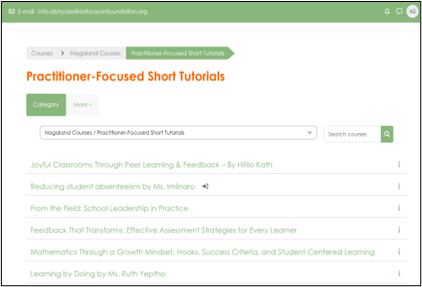
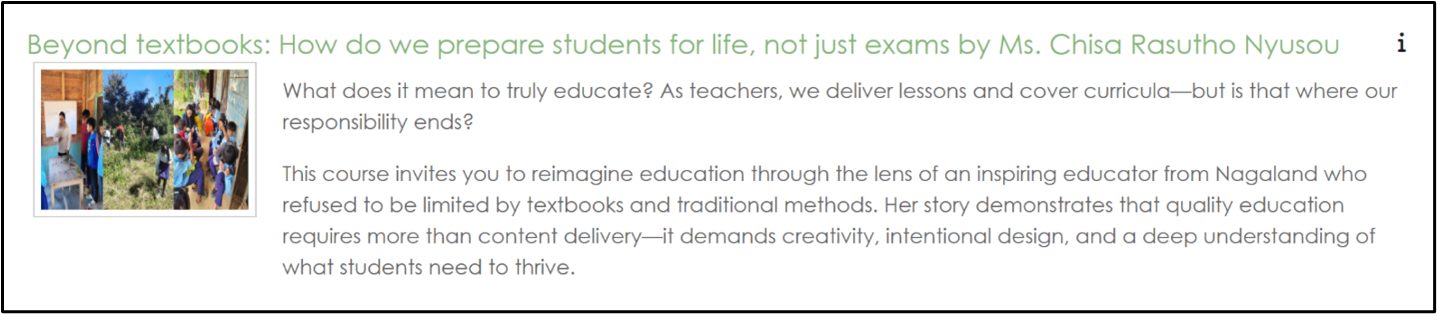
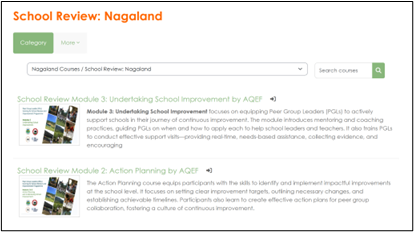
For school leaders, the platform provides structured learning modules on the School Review and Improvement Programme (SRIP) that help them understand how to conduct evidence-based, collaborative school reviews and undertake the improvement process. It also includes peer-developed content capturing best practices from the School Leadership Development Programme (SLDP) alumni that guide other school heads in understanding approaches to address school-level challenges.
In Nagaland, course development and dissemination for best practices are undertaken through the following steps:
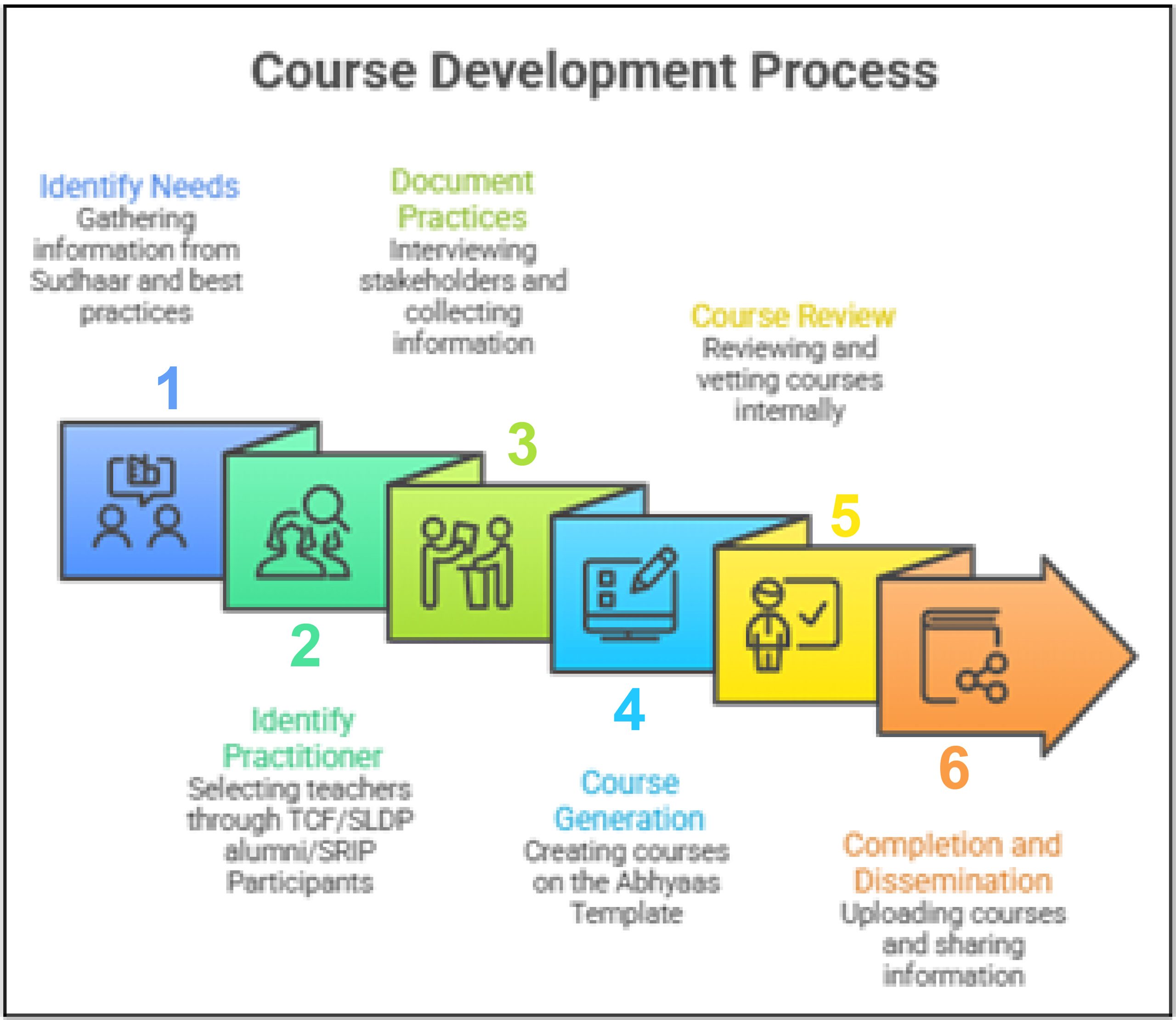
The first step involves identifying learning needs, either through SUDHAAR data or by recognising impactful practices already taking place in schools. Teachers and school leaders demonstrating strong and innovative practices are then identified through multiple methods. One source is the teacher’s own self-review on the Teacher Competency Framework (TCF).
Another way practitioners are identified is through the observation of their participation and data on their practices from the School Leadership Development Programme (SLDP) and the School Review and Improvement Programme (SRIP).
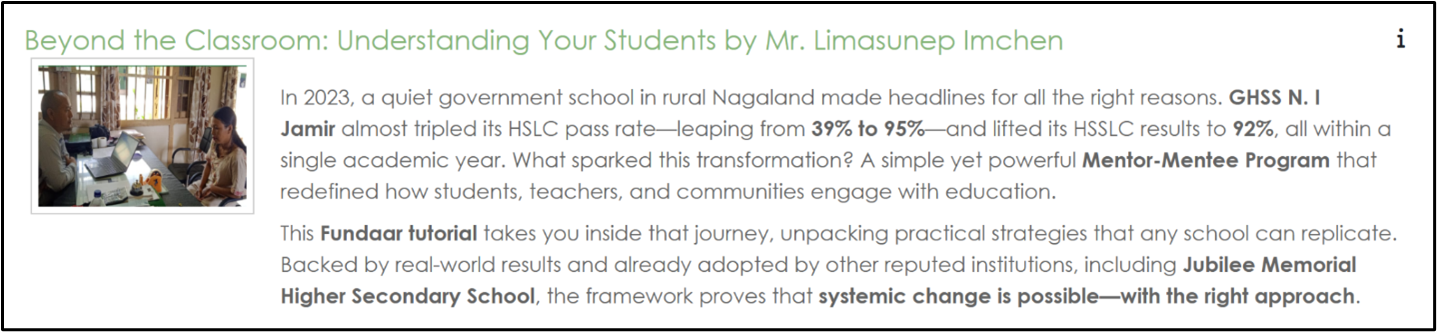
Once identified, these practitioners are interviewed and their practices documented carefully. The information is then converted into a course using the PACE Nagaland course template. Depending on the requirement, the final output may be a detailed course, a tutorial, or a short learning module.
Before publication, every course goes through an internal review and vetting process to ensure quality and relevance. Once approved, the course is uploaded onto the platform and shared with stakeholders through communication channels such as WhatsApp groups and email networks.
This systematic process ensures that the courses available on PACE Nagaland are rooted in real classroom and school experiences and directly respond to the challenges faced by educators.
Testimonials of Practitioners
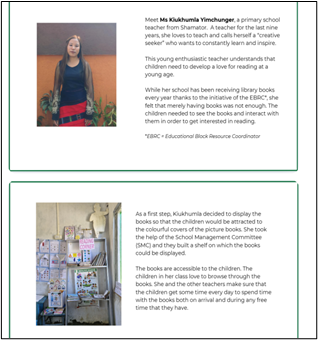
“When I was first approached to contribute courses on the platform, I was both excited and nervous because I was new to it. It took about two to three weeks to put together the information and plan the course. Now, my classroom practices through PACE Nagaland have reached teachers across the state and promoted professional collaborative growth. To know that more than 500 teachers have engaged with my course so far is very encouraging for me to keep improving and keep creating more.”
Kiukhumla R. Yimchunger
Teacher and PLC Mentor
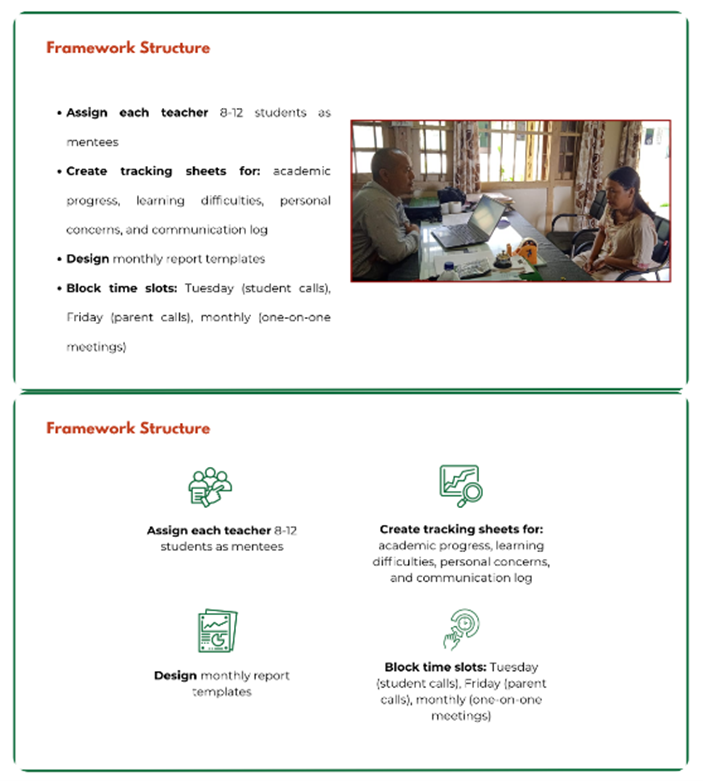
“Being able to share the Mentor-Mentee programme that I started in my school felt both fulfilling and encouraging. In the programme, teachers mentor students closely, creating a strong culture of support, connection, and growth within the school community. It was especially rewarding to see the practice being adopted by other schools as well and to learn that it is benefiting more students and educators through meaningful mentorship. Sharing this journey reminded me that collaborative leadership and care can create a lasting impact beyond one institution.”
Limasunep, VP
N I Jamir GHSS, SLDP Alumnus
Feedback from Registered Users
An analysis of feedback from several users of the platform has highlighted the strengths of the platform and may be summarised as follows:
Educators appreciated the exposure to innovative teaching methods, practical classroom strategies, and new pedagogical ideas. Many described the courses as engaging, locally relevant, and directly applicable to their classroom realities.
Teachers also shared that the platform has strengthened their understanding of lesson planning, classroom management, and student-centred learning practices. Importantly, many educators expressed that seeing the work of fellow teachers from Nagaland and beyond motivated them to experiment with new ideas and improve their own practices.
The Way Forward
Built with accessibility and inclusivity in mind, PACE Nagaland offers user-friendly navigation, multiple content formats, and progress-tracking features that enable educators, especially those in rural and underserved areas, to engage meaningfully with professional learning opportunities.
PACE Nagaland is envisioned as the learning management platform for educators in Nagaland. It will enable teachers and school leaders to access learning anytime through their phones or computers, receive recognition and certificates for completed courses, and engage in professional development that is directly relevant to their contexts.
As this platform continues to evolve, it has the potential to become a model for collaborative professional development, strengthening a culture where educators are empowered not only to learn but also to lead, innovate, and inspire others across Nagaland.
To understand how to access the platform and the Nagaland courses, scan the QR code.