Impact Study on the School Leadership Development Programme

The School Leadership Development Programme (SLDP) is a one-month certificate course organised by the School Leadership Academy in SCERT, Nagaland, in conjunction with the National Centre for School Leadership (NCSL) and the National Institute of Educational Planning and Administration (NIEPA). The programme equips school leaders to transition from teaching to leadership roles, focusing not only on managerial and administrative responsibilities but also on academic leadership. It focuses on seven key areas: Perspectives on School Leadership, Developing Self, Transforming the Teaching-Learning Process, Building and Leading Teams, Leading Innovations, Leading Partnerships, and Leading School Administration.
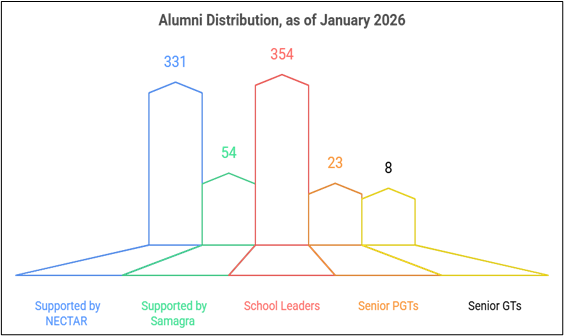
Currently, 385 designated and eligible school leaders have received training, allowing the programme to extend to the senior-most PGTs and GTs before they are promoted to leadership roles. Out of this cumulative total, NECTAR has supported eight batches of SLDP comprising 331 school leaders.
The goal of professional development is for it to move beyond mere discussion to professional practice. We can compare the training to the initial sound, and the implementation to the echo. During training, the room is filled with sound, participation occurs, ideas are shared, and concerns are discussed. However, once the training ends, the sounds in the room stop. The question a facilitator asks at this point is: Did these sounds echo beyond the training? The echo tells us that the sound has reached somewhere, indicating impact.
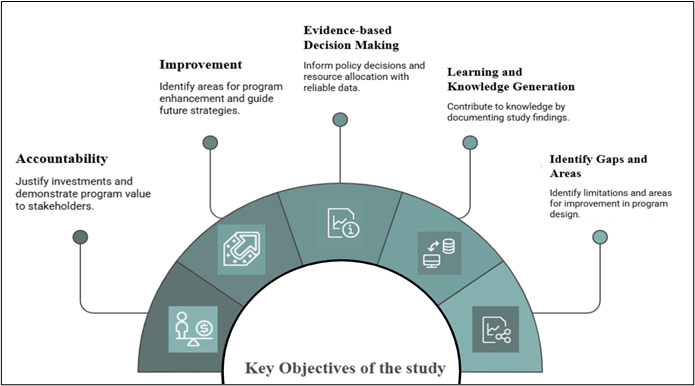
To understand these echoes, the SLA team collaborated with NECTAR P3 to design an evidence-based impact study. It was carefully drafted to capture the range of tasks and the translation of knowledge and skills from training to schools. The study was rolled out in July 2025 and will conclude in May 2026.
IMPACT STUDY
The study is divided into three parts and each part was rolled out in three phases.
Part 1: Assess the impact of the one-month SLDP training
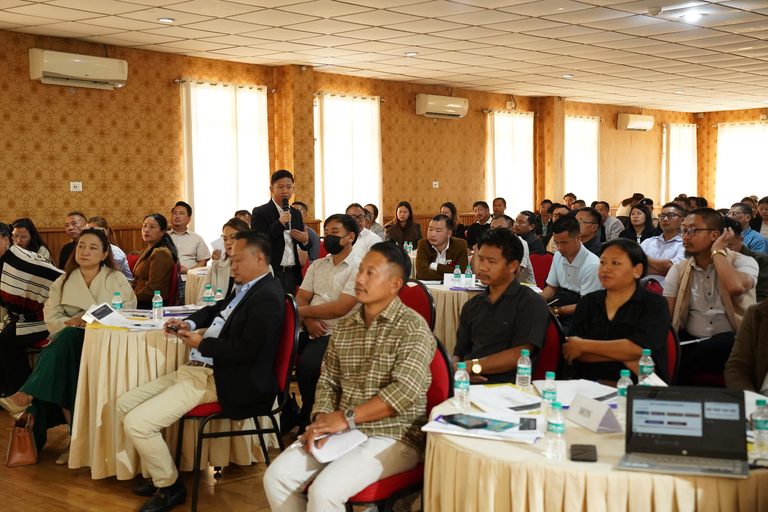
The study began by assessing the programme’s immediate impact and key learnings for the school leaders. A questionnaire was rolled out to 300 SLDP certified alumni, of whom 207 participated. It was designed to gather both quantitative and qualitative data. It captured the knowledge gained and skills applied by alumni across the seven key areas of the course. It also focused on understanding if there has been an influence on their leadership skills, school culture, teaching practices, and overall school transformation.
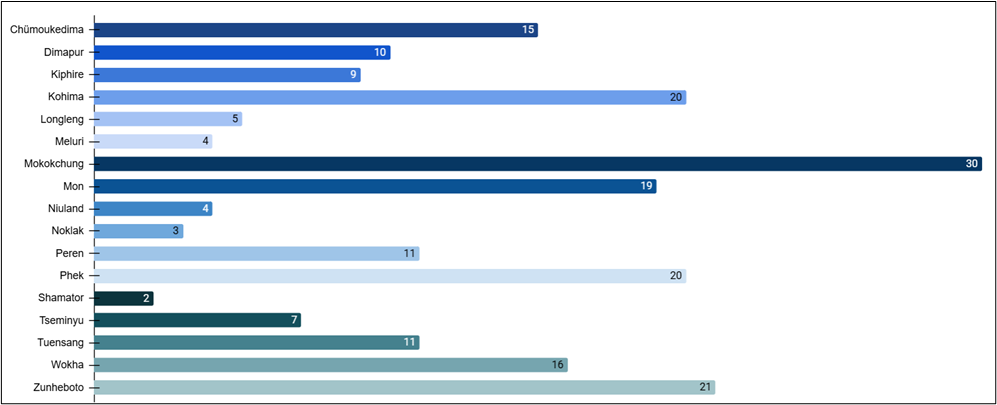
The areas that alumni reported as most impactful were increased leadership skills, improved self-awareness, and improved administrative and decision-making abilities. Participants expressed:
“I am better informed and have become more confident. Efficiency in my working system as the head of the school is visible.”
Dr Y. Inaholi Kiba, AHM, GHS Nito
“The program has definitely changed my perspective on leadership. I have come to understand that effective leadership is not about being autocratic, but about working in close collaboration with the team.”
Dr Chumbeni Kikon, Principal, TM GHSS (deputed to Samagra Siksha)
I am now more intentional in making decisions based on evidence and students’ needs. I now understand the importance of a collaborative work environment. This programme has taught me to be more empathetic, patient, and how to approach and resolve conflicts. I am now more mindful of how to give feedback, support others, and create a healthy environment where teachers and students thrive equally.”
Pipi Gloria Chishi, Principal, GHSS, Purana Bazar
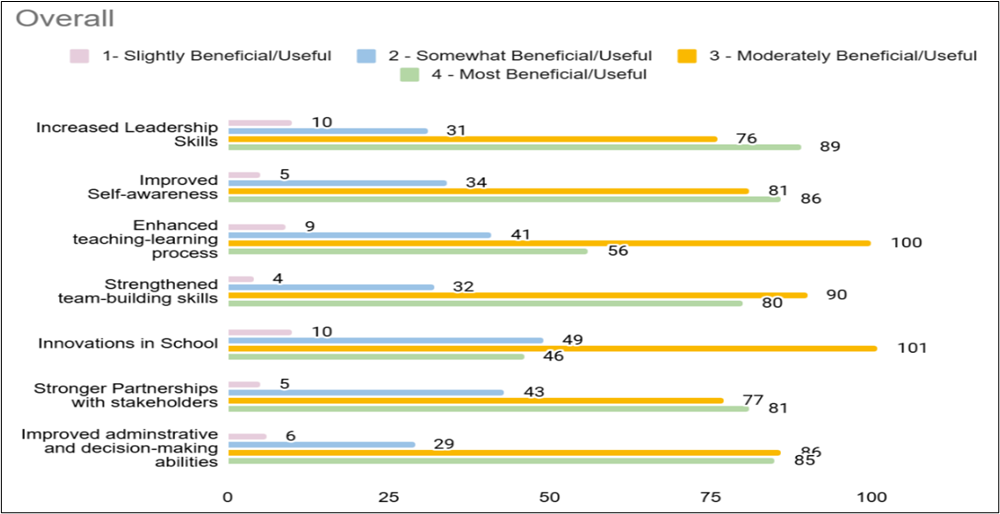
Taking into account the logistical feasibility and geographic diversity, eight districts—Kohima, Chümoukedima, Phek, Wokha, Mokokchung, Tuensang, Mon and Zunheboto—were shortlisted for the next second round of the study. To provide a systematic, data-driven process, the Most Significant Change (MSC) methodology was used for evaluating and shortlisting schools for the in-depth study. Based on the scores and applying random selection methods, 28 schools were shortlisted for part two of the study.
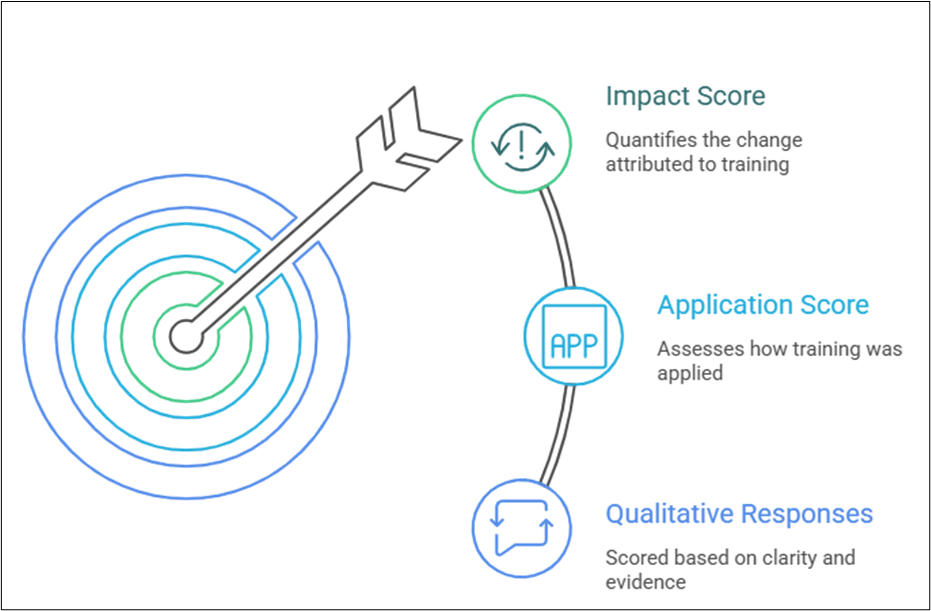
The components in which the responses were evaluated included the Application Score, which directly assessed how leaders have applied their training; the Impact Score, which quantified both the volume and the significance of the change the school leaders attributed to the training; and Qualitative Responses, which were scored based on clarity and specificity, stakeholder involvement and evidence of impact.
Part 2: Documentation and Collection of Evidence
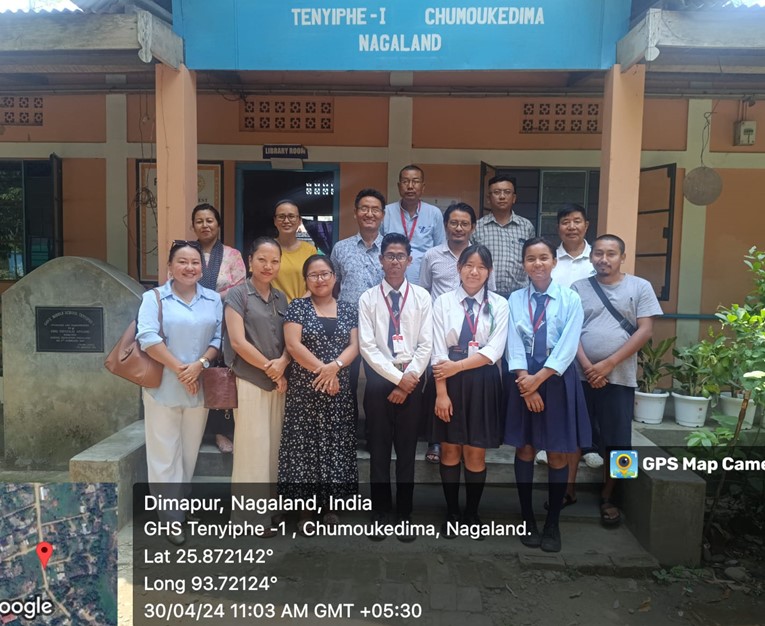
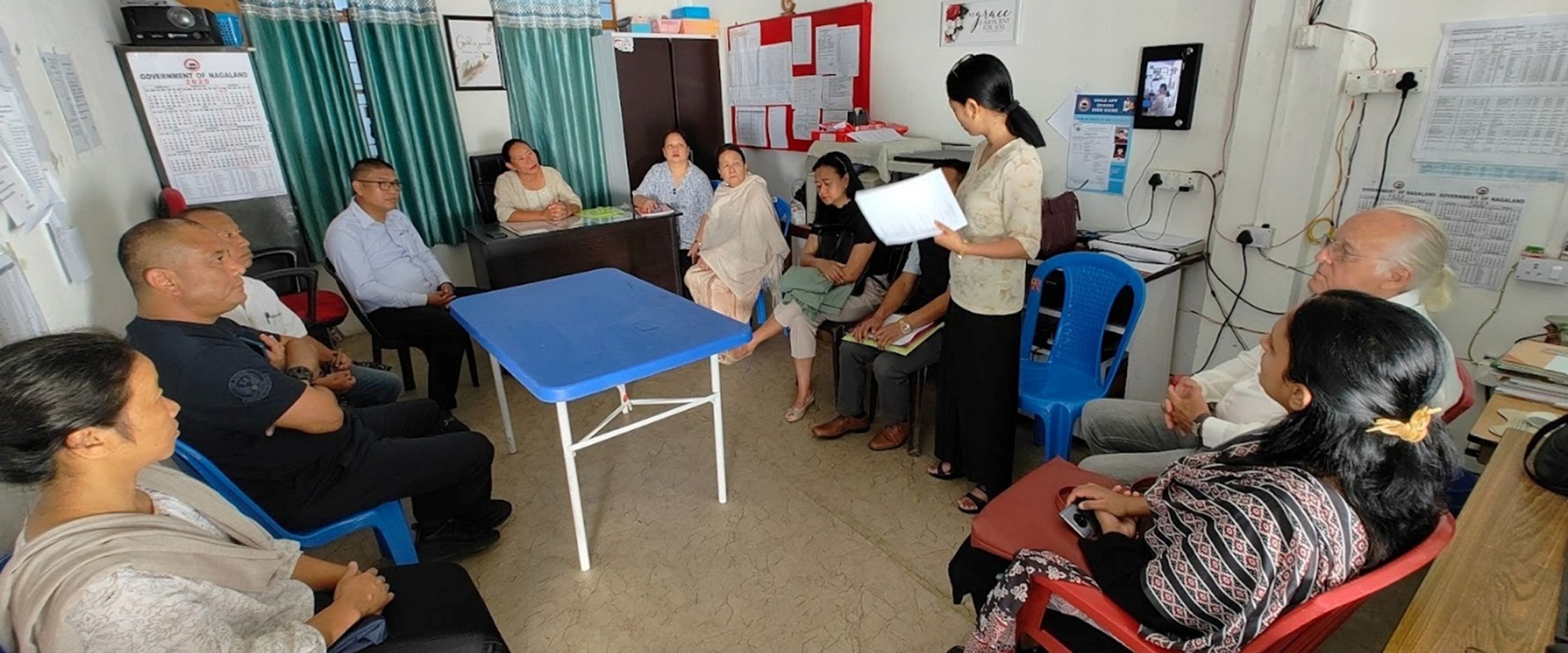
In Part 2 of the study, customised questionnaire sets were developed for each school leader, drawing on their responses from Round 1. These included targeted follow-up questions through in-person visits to elicit deeper insights. Complementary questionnaires were also designed for teachers, parents, SMDC members, and student representatives to triangulate leaders’ responses and gather additional evidence. This approach facilitated a comprehensive and in-depth analysis of the programme’s impact at the school level. These visits began in September and concluded in November 2025.
Participants expressed:
“When I was the Vice Principal, most work was done by the Principal. However, right after completing SLDP, I received a promotion and became the Principal. The programme helped me build collaboration and trust with teachers and stakeholders. Honestly, it was my first time experiencing all this, and that training really helped me a lot in building confidence.”
Forsunep, Principal, GHSS Sataka
“After the training, a strong relationship was built with the SMDC. Need-based developmental work was carried out to improve infrastructure, and teachers became more regular in their duties.”
Parent representative from PM Shri GHS Wokha Village
Part 3 – Document Case Studies and Video Documentaries
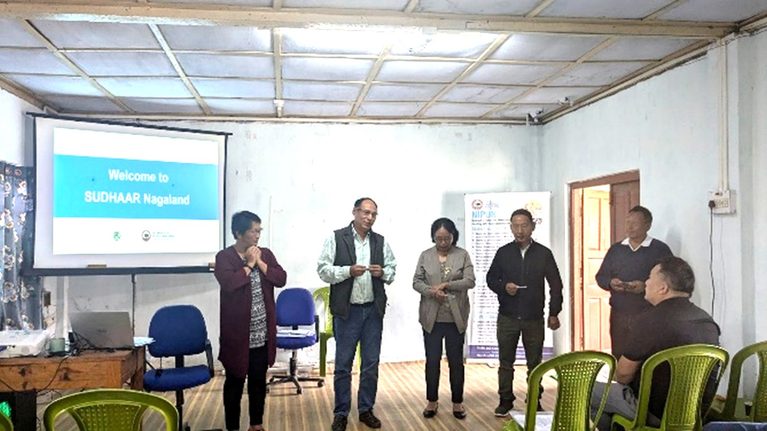
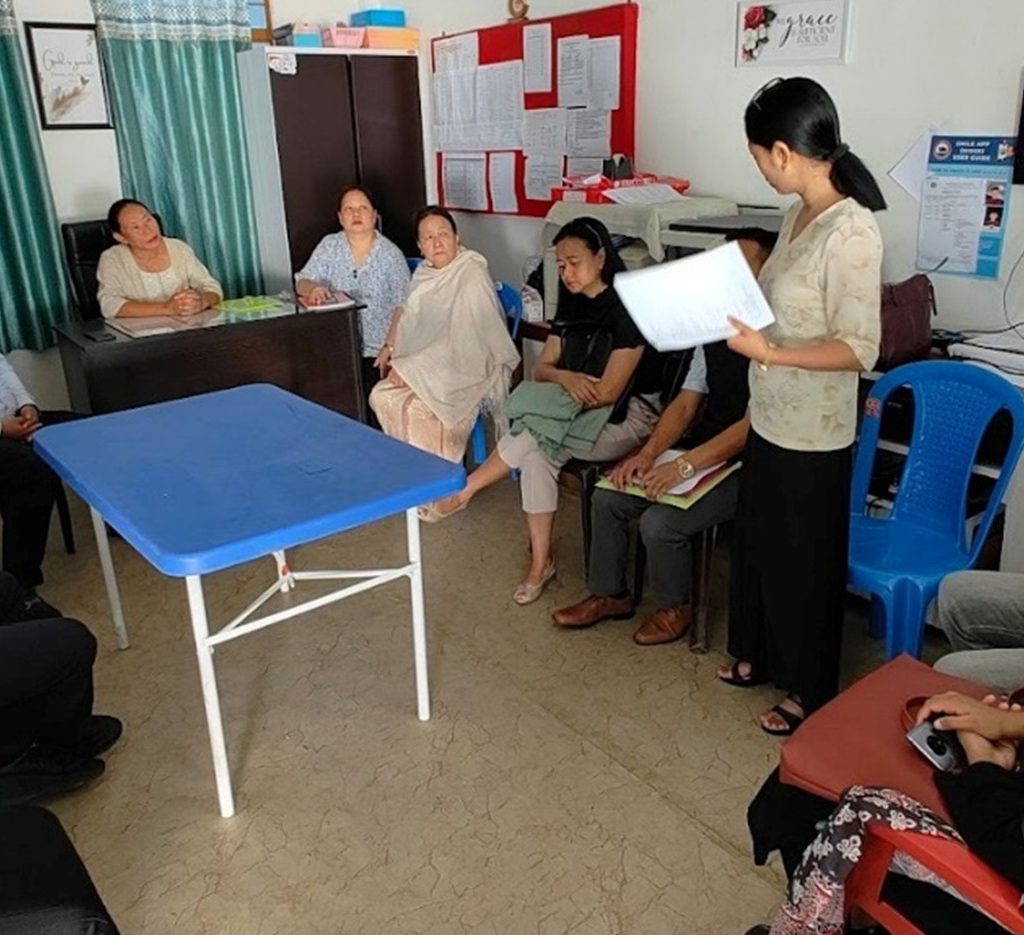
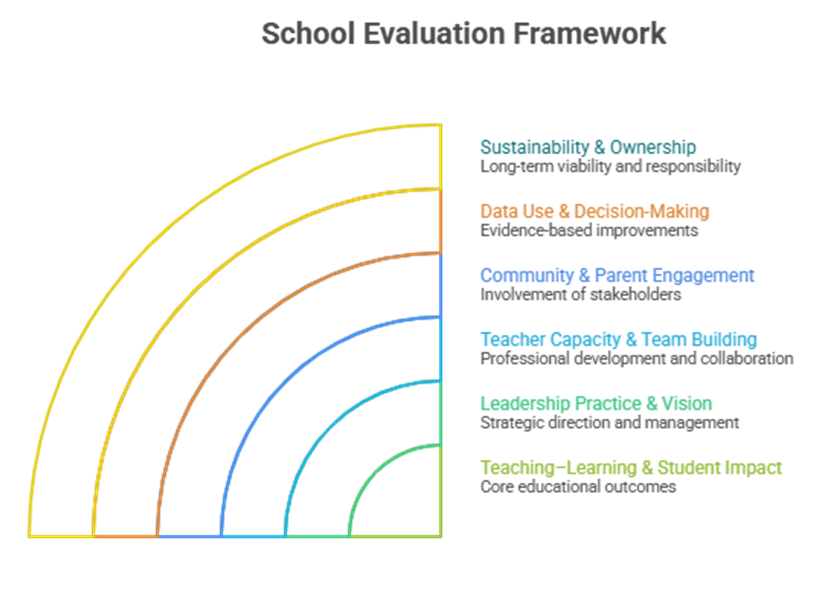
Post visits made during Part 2 of the study, SLA and P3 NECTAR held a two-day workshop to evaluate the 28 schools based on a framework to assess patterns across six parameters. Based on the district-level performance, four schools were shortlisted for video documentation and eight for case study development. Through this documentation, the Leadership Academy hopes to recognise the work undertaken in the field and share these stories with broader communities to promote collaborative learning.
Observations
While the study analysis is in its early stages, the stakeholder responses have indicated a strong need for and benefit from the programme. Analysis of these responses indicates that nearly 87% of participants reported a significant shift in their understanding and practice of leadership following the training. A clear pattern emerged across responses: school leaders described a transition from authority-driven, task-oriented leadership to a more collaborative, people-centred, reflective, and empowering approach.
Participants highlighted increased self-awareness, confidence, and relational capacity, along with strengthened teams and visible improvements in school culture and student outcomes. Improved confidence and decision-making emerged as the most frequently reported outcomes. Leaders noted greater assurance in navigating complex challenges, making bold and timely decisions, and leading effectively during difficult situations.
As education policies and teaching methodologies evolve, school heads require ongoing refresher courses, mentorship, and access to leadership networks. With these activities in the pipeline and the adoption of blended learning models, future leaders will be better equipped with skills to assume their roles with clarity and create a positive impact in schools.