FOSTERING SAFE SCHOOLS IN NAGALAND
PREVENTING AND RESPONDING TO SCHOOL-RELATED GENDER-BASED VIOLENCE
WHAT IS SCHOOL-RELATED GENDER-BASED VIOLENCE?
School-Related Gender-Based Violence (SRGBV) refers to any form of physical, sexual, or psychological harm inflicted on students based on gender norms and power inequalities. It is a global phenomenon, and it is far broader than physical assault. SRGBV encompasses verbal abuse, bullying, coercion, sexual harassment, humiliation, and rape. It does not stop at the school gate; it occurs on the way to and from school, in hostels, in transit, and increasingly online.
Within Lighthouse School Complexes (LSCs), incidents may be categorised as:
• Physical abuse – hitting, pinching, throwing objects
• Emotional and mental abuse – threats, humiliation, blackmail
• Sexual harassment – unwanted remarks, messages, stalking, or exposure to inappropriate imagery
• Sexual touch – unwanted contact with private parts
• Sexual assault and exploitation – including acts covered under the POCSO Act, 2012
SRGBV violates children’s fundamental rights, perpetuates gender discrimination, and hinders learning outcomes. Children have the right to be protected from all forms of violence throughout their schooling.
OBJECTIVES OF SRGBV FRAMEWORK IMPLEMENTATION IN LSCS
Objectives of SRGBV framework implementation in LSCs
The SRGBV framework being implemented across all LSCs under the NECTAR project has a clear, survivor-centric mandate. Its core objectives are:
• To prevent SRGBV incidents through structural, behavioural, and community-level interventions
• To ensure timely identification and reporting of SRGBV through accessible, anonymous, and child-sensitive mechanisms
• To provide appropriate redress and support to survivors and to ensure accountability for offenders through clearly defined, graded protocols
• To build the capacity of all stakeholders—teachers, school leaders, parents, students, and community members—to recognise, respond to, and report SRGBV
• To integrate SRGBV awareness into school infrastructure, curriculum, and culture so that safe schooling becomes the norm rather than the exception
Grounding in International, National and State Frameworks
The SRGBV SOP for LSCs is grounded in several binding and guiding frameworks:
International Commitments
The United Nations Convention on the Rights of the Child (UNCRC) establishes children’s right to protection from all forms of violence. The United Nations Girls’ Education Initiative (UNGEI) Whole School Approach to Prevent SRGBV provides the Minimum Standards and Monitoring Framework that informs the indicators used across LSCs.
National Legislation
The SOP for LSCs also draws on the Protection of Children from Sexual Offences (POCSO) Act, 2012; the Right to Education (RTE) Act, 2009; the Juvenile Justice (Care and Protection of Children) Act, 2015; and the National Education Policy (NEP) 2020. Together, these define the legal obligations of schools, mandate reporting procedures, and protect the privacy and dignity of child survivors.
Nagaland State Policy
The NECTAR Framework and the Child Protection Policy of the Directorate of School Education (developed in collaboration with Samagra Shiksha, Nagaland) provide the state-level mandate. The State Child Welfare and Protection Committee (SCWPC), established under Mission Vatsalya, oversees implementation at the district and LSC levels, ensuring the SRGBV SOP is continuously monitored, reviewed, and improved.
SRGBV capacity building in LSCs under NECTAR
Awareness without action changes nothing. Therefore, the NECTAR framework lays great emphasis on building the knowledge and skills of every person who interacts with children in an LSC. The Department of School Education (DSE) ensures that every LSC has either a dedicated Counsellor or a Teacher Counsellor trained in counselling skills.
Sensitisation sessions are to be held at least twice a year for teachers, parents, and students separately. For teachers, sessions address gender norms, identifying signs of harassment, classroom management, and their legal obligations. For students, age-appropriate social emotional learning (SEL) curricula are delivered regularly by the SRGBV Committee. It covers topics from good touch and bad touch (grades 5–8) to identity, relationships, gender and sexuality, and sexual and reproductive health (grades 9–12). For parents, sessions focus on the code of conduct, recognising violence at home and school, and positive parenting.
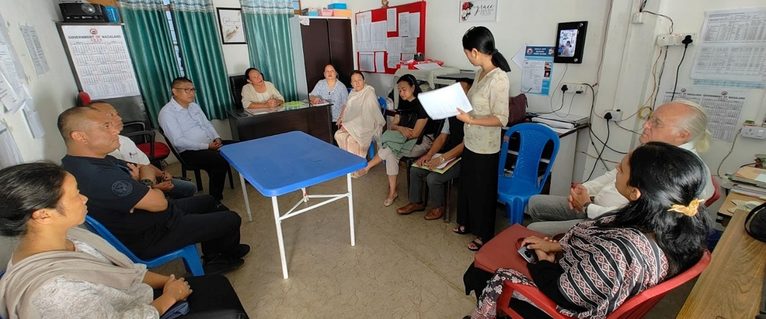
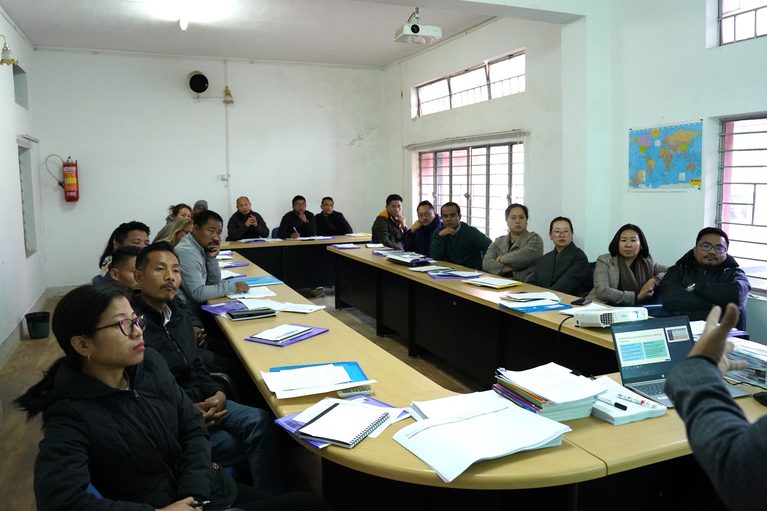
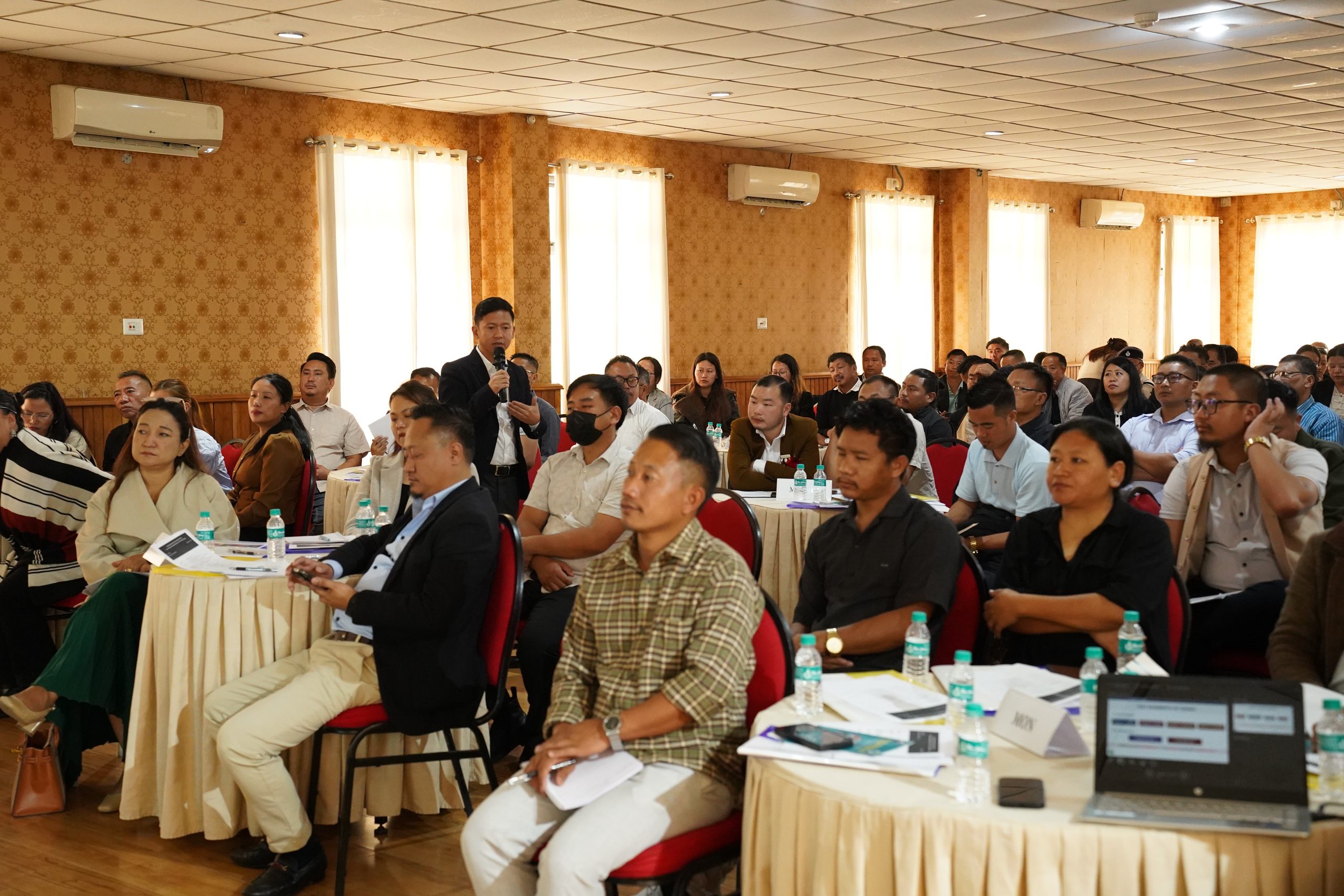
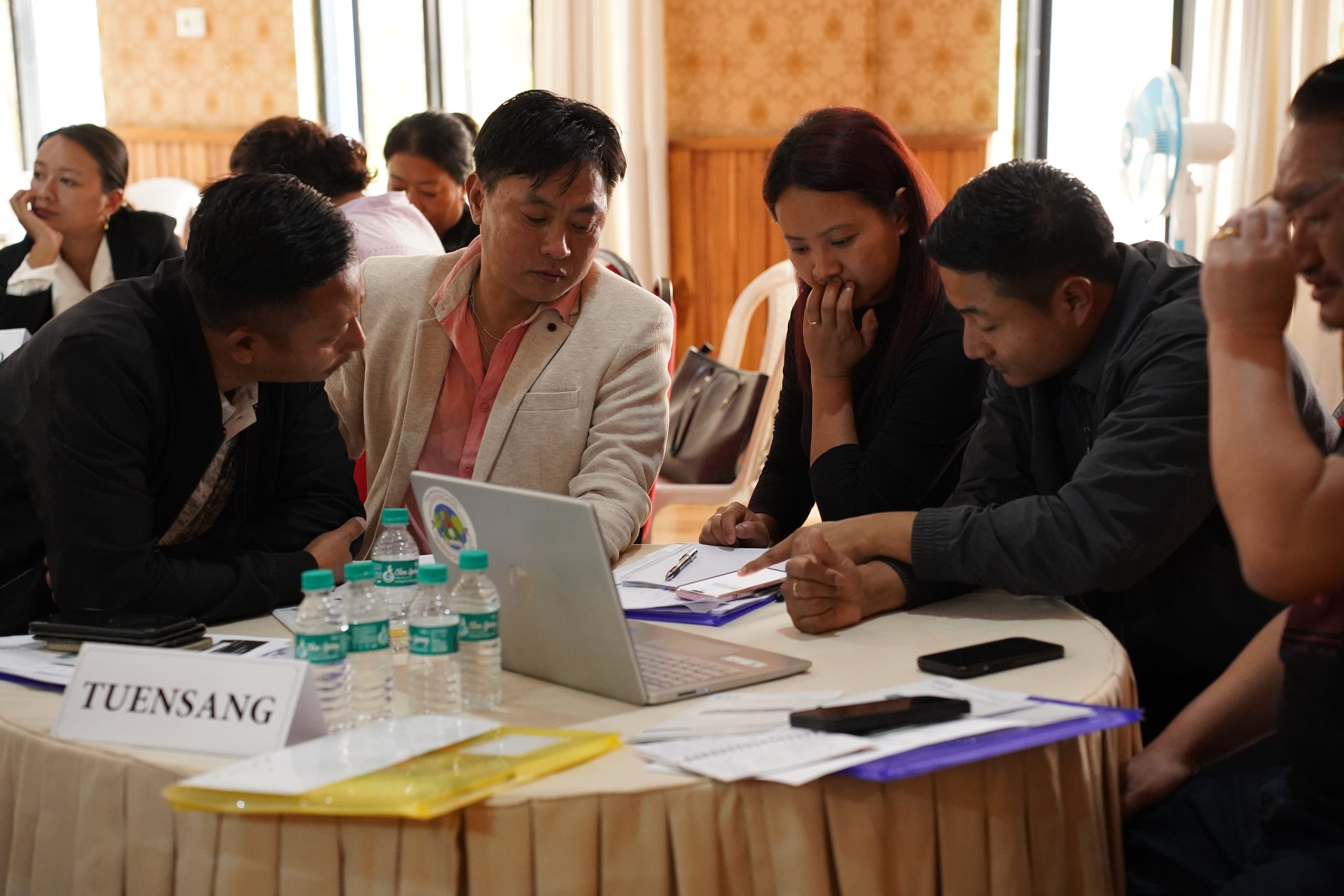
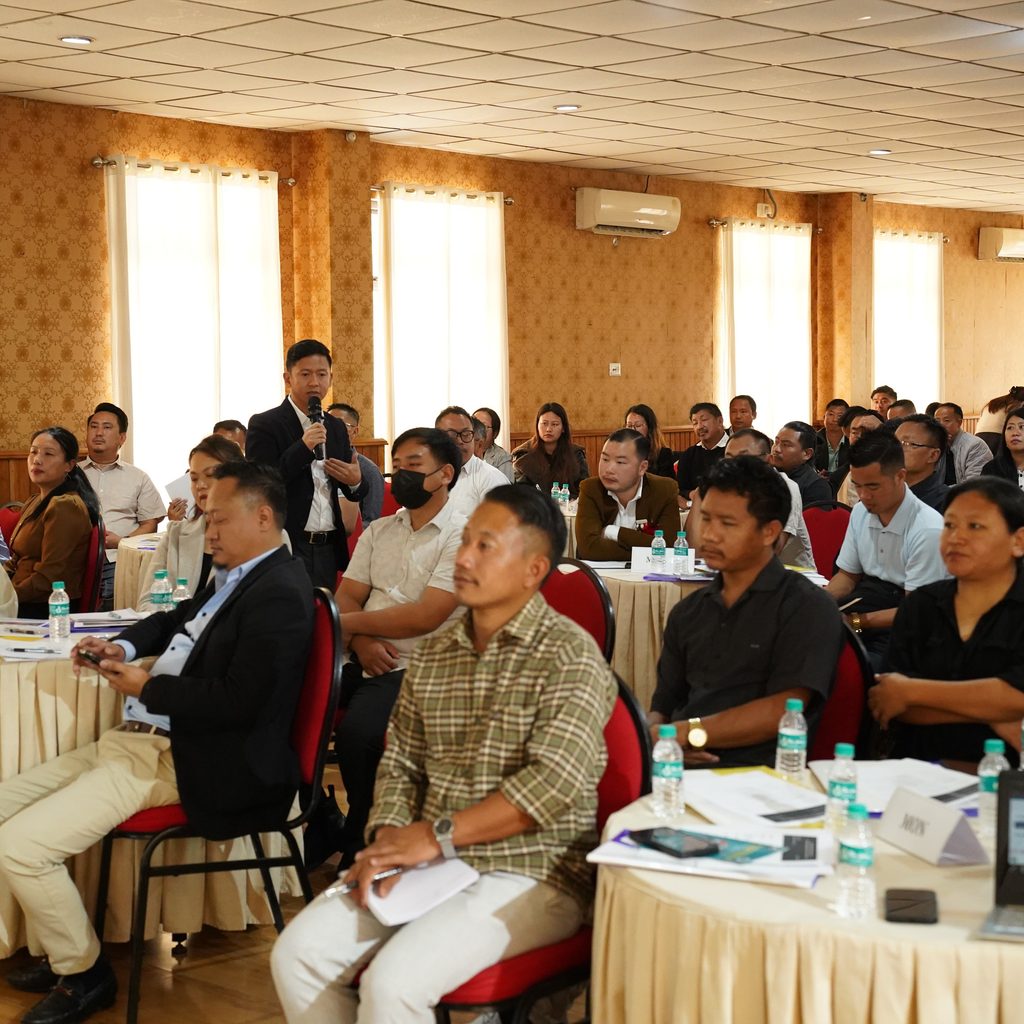
NECTAR conducted a one-day orientation for SRGBV Committee members from all 17 districts of Nagaland on 14 April 2026 at de Oriental Grand Hotel, Kohima. A total of 104 participants attended, representing the Departments of School Education and Social Welfare, Police, Childline, Sakhi One Stop Centres, and student bodies. The workshop covered SRGBV concepts and legal frameworks, case profiling and categorisation, redressal procedures, and hands-on training on the newly launched GRM Portal.
Post-training assessments showed strong overall competency (88–95%), with near-perfect scores on POCSO provisions and mandatory reporting obligations. Key follow-up actions include targeted training for nominated members, resolution of portal technical issues, and installation of complaint boxes and IEC materials across all LSC hubs.
The LSC SRGBV Committee: Collaboration and Protocol
Each LSC is governed by a dedicated LSC SRGBV Committee—a multi-stakeholder body designed to ensure no single authority acts alone. The committee comprises:
• The District Child Protection Officer (Chairperson)
• LSC SMDC Secretary (Member Secretary)
• Chairperson of the Child Welfare Committee
• A member from a local NGO
• The LSC Counsellor or Teacher Counsellor
• A representative of the Sakhi One Stop Centre
• Two student council members (one male and one female)
• A law enforcement representative, preferably from the Special Juvenile Police Unit (SJPU)
Membership requirements include at least 50% female representation and no history of child rights violations.
Procedure
In the event of an incident, the protocol provides for a graded and child-centred response mechanism. Minor incidents involving unintentional or low-level harmful behaviour may be addressed through counselling, restorative interventions, behavioural support, and reorientation on the code of conduct. Moderate incidents involving intentional misconduct, repeated behaviour, or emotional or physical harm may result in disciplinary action, counselling, parental engagement, and referral to the State-Level Committee. Serious incidents, including sexual offences, severe physical violence, exploitation, or conduct requiring mandatory reporting under applicable laws, are immediately referred to law enforcement and child protection authorities. Survivors receive appropriate medical care, psychosocial support, legal assistance, and referral services through relevant government agencies and partner organizations. Immediate safety assessments and protection measures are undertaken in all cases. When a complaint involves a committee member, that member is excluded from all proceedings and the State-Level Committee assumes responsibility for the investigation. Confidentiality and the best interests of the child are maintained throughout the process in accordance with applicable child protection laws.
On-the-ground implementation in LSCs
Implementation spans the physical, procedural, and relational dimensions of school life.
Infrastructure
Every LSC is required to have separate washrooms for boys and girls, permanent boundary walls, complaint boxes in accessible and private locations, a dedicated counselling room, and CCTV coverage of all common areas (excluding toilets and shower areas) is recommended.
Grievance Redressal Mechanisms (GRM)
Multiple reporting channels exist so no child is left without a route to safety. These include physical complaint boxes (opened only in the presence of at least two committee members), the national CHILDLINE helpline (1098) displayed prominently across campuses, a dedicated LSC WhatsApp/SMS number, and a web-based SRGBV grievance portal. Each complaint receives a ticket number for tracking, and closure requires the complainant’s confirmation of satisfaction. Awareness has been created for these provisions, and it will be an ongoing process.
Community Engagement
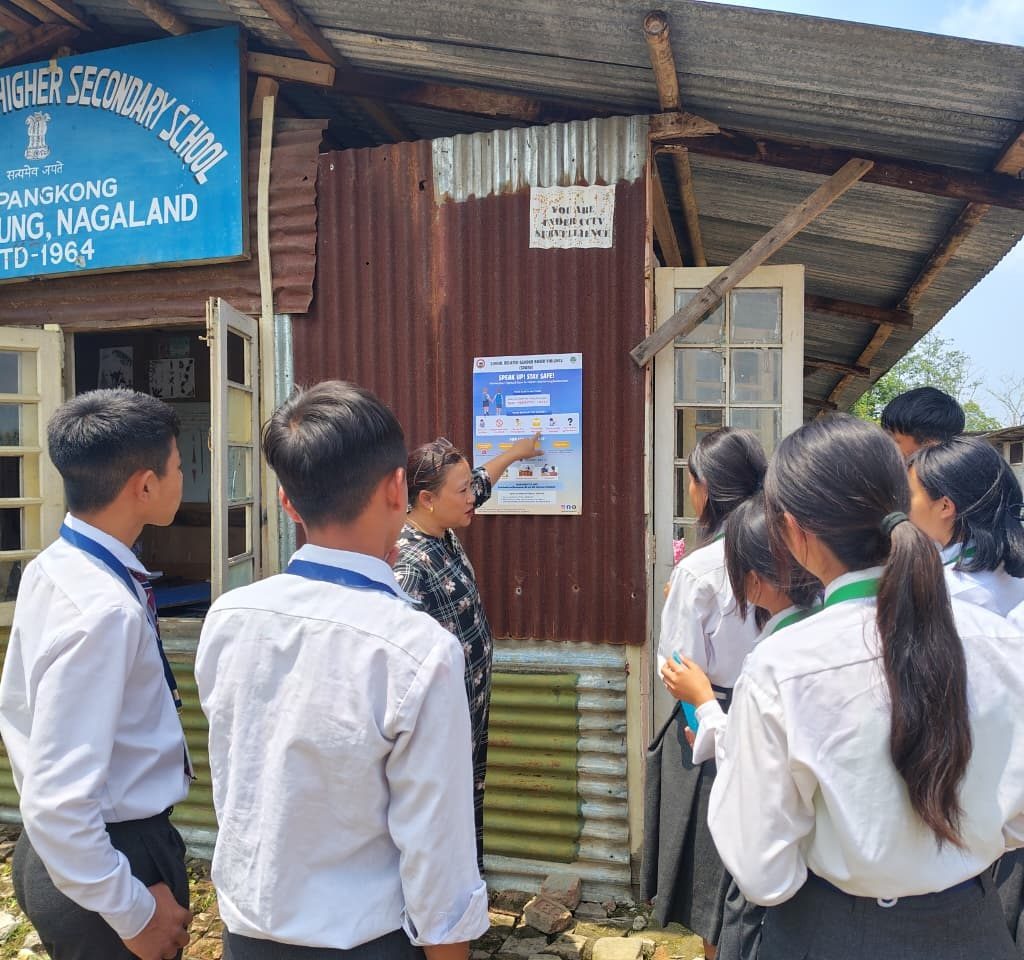
LSCs are not isolated institutions. Student councils, peer advisory panels, and parent advisory groups are created to gather regular input on safety. SMC and SMDC members are annually sensitised on child rights and SRGBV, and community-based organisations and NGOs are partnered with to extend supervision, after-school activities, and mental health support beyond school hours. Displays and posters on SRGBV, child rights, and reporting channels are maintained visibly across campuses.
Curriculum Integration
SCERT and NBSE, in consultation with the State Committee, are working to integrate SRGBV-related content into the curriculum through stories in language classes and discussions on gender inequalities, structured student council debates on cultural norms, and social justice in the social sciences.
Current and Anticipated Long-term Outcomes
Current Outcomes
Across LSCs where implementation has begun, the SRGBV framework is already establishing the institutional architecture for safe schools: SRGBV committees constituted, complaint boxes installed, trained counsellors identified, and capacity building for the SRGBV Committee completed. Reporting mechanisms are being made accessible to students for the first time, reducing the stigma and fear that have historically kept incidents invisible.
Anticipated Long-Term Outcomes
The long-term vision is a Nagaland in which every child attends school without fear. Anticipated outcomes include:
• A measurable increase in formal reporting of SRGBV incidents, indicating growing trust in the system, not necessarily an increase in violence
• Higher rates of school completion, particularly for girls, as safe environments reduce dropouts driven by harassment and fear
• A generation of students with the vocabulary, skills, and confidence to recognise and respond to gender-based violence in their own lives and communities
• Institutionalised, survivor-centric systems that outlast any single project cycle, embedded in school culture, state policy, and community practice
The SRGBV SOP will be reviewed and updated annually by the State Level Committee with input from LSC-level committees, ensuring the framework remains responsive to emerging needs and evidence from the ground.