
FACES BEHIND NECTAR
This section features NECTAR officials in various roles to familiarise readers with the individuals and the purpose behind the project’s initiatives and interventions, as well as the strides made so far. In this edition, we invite the Project Coordinator from Samagra Shiksha to comment on his association with NECTAR.
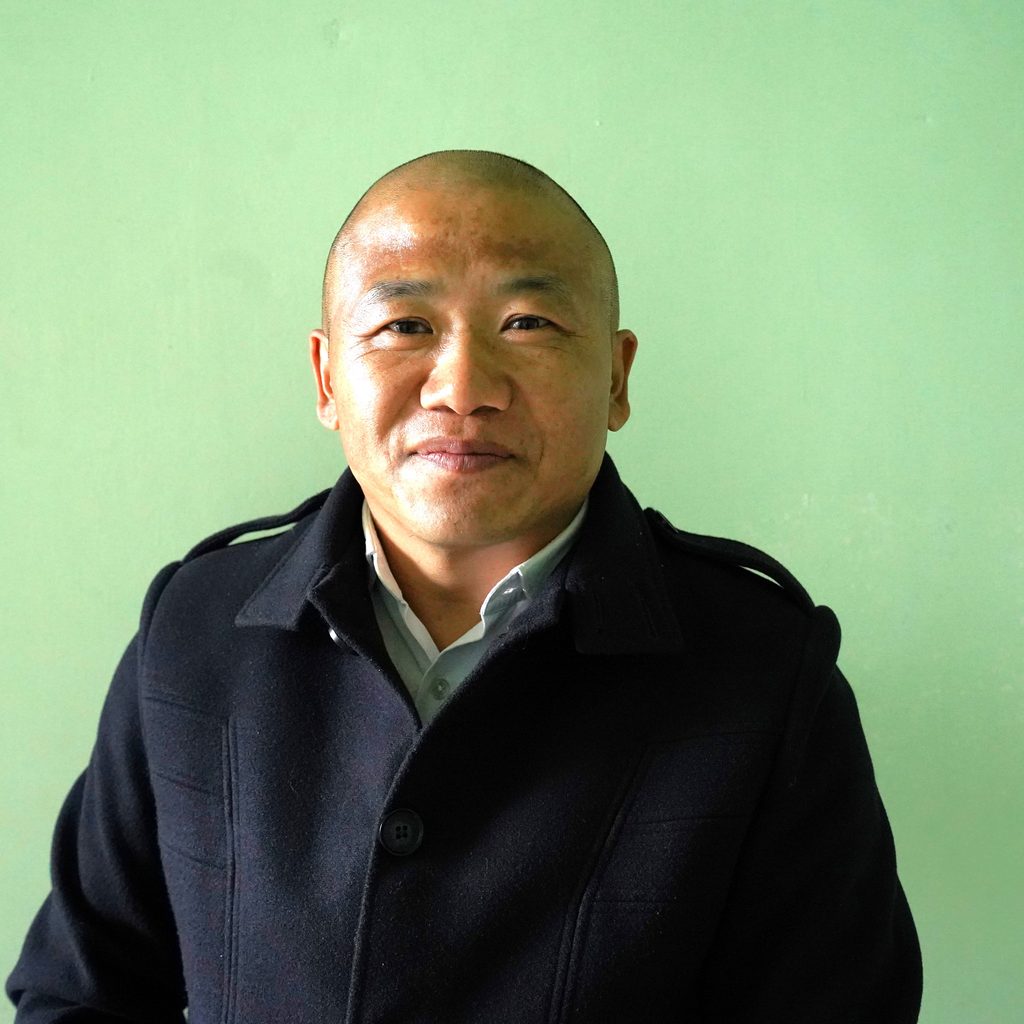
Kelhikha KenyeDeputy Mission
Director, Samagra Shiksha Nagaland,
&Project Coordinator, NECTAR
1. How long have you been a part of the NECTAR team?
A: I have been associated with the NECTAR team for the last three years as a Project Coordinator. I was privileged to be part of the coordination meetings before my active involvement as a Project Coordinator.
2. Could you tell us about your role and key responsibilities as a Project Coordinator?
A: I usually attend NECTAR coordination and review meetings. Due to my heavy engagement in the Samagra Shiksha assignment, I could not follow up on all the activities of the NECTAR Project. Some prominent involvements are in the Professional Learning Communities (PLC) for Foundational Stage and the Committee for Light School Complex Governance Framework.
3. How has your experience with NECTAR influenced your perspective on education in Nagaland?
A: My association with the NECTAR team has given me given me a new perspective on education. My experience with the NECTAR procurement team and highly qualified professionals will go a long way in being systematic in planning, implementing programmes and activities in schools, and conducting reviews/assessments.
4. Which initiatives of NECTAR do you think will have a lasting impact even after the project ends?
A: The Performance Incentive Grants (PIG) has largely revived the active participation of communities in schools, besides bringing a facelift to schools. I am positive that the seventeen Lighthouse School Complexes will become model government schools in the near future. The PLCs for various stages and the Teach Tool will continue to impact teachers in improving quality learning transactions in schools if they are followed up well by the Department. Another much-debated intervention is the Teacher Attendance Monitoring System (TAMS). Though there are issues, including technical glitches with its SMILE App, this has positively impacted the teacher’s attendance all over the State. If the prevailing issues are addressed and monitored well, this can resolve teacher attendance issues in schools to a large extent.
5. How does NECTAR support Samagra Shiksha’s work, and what steps are being taken to sustain NECTAR’s initiatives after the project concludes?
A: Samagra Shiksha basically implements the programmes and activities of the Ministry of Education in the State, whereas NECTAR has its own interventions for schools. However, both complement each other. I must also admit that a few activities seem to overlap. Post-NECTAR project, I feel the Department can take forward several NECTAR interventions through Samagra Shiksha in the years to come.