Faces Behind NECTAR
This section features NECTAR officials in various roles to familiarise readers with the individuals and the purpose behind the project’s initiatives and interventions, as well as the strides made so far.
In this edition, we connect with NECTAR’s Task Team Leader from the World Bank to receive comprehensive and candid feedback on the project.

Kanupriya Misra
Education Specialist, World Bank, &
Task Team Leader, NEP-The Lighthouse (NECTAR)
Q1. How long have you been associated with NECTAR? Could you describe your role in the project?
A: I joined the NECTAR team in June 2023, near the midpoint of the project implementation period. I am the Task Team Leader (TTL).
Q2. In your close association with NECTAR, which entails implementation support, regular assessments, and site visits, what are some key observations, and how is the project progressing vis-à-vis its objectives?
A: NECTAR has two development objectives: (1) to enhance the governance of schools across the state (2) to improve teaching practices and learning environments in selected school complexes.
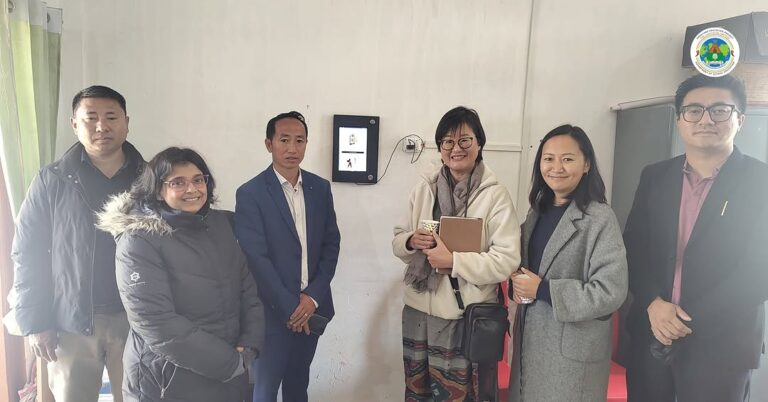
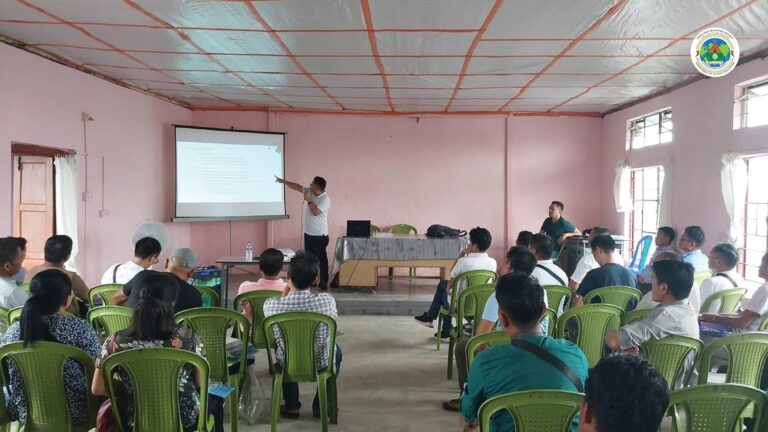
There has been good progress under the first objective, with various innovative solutions adopted by the state, such as, (i) development of a School Operation System (SOS) and a Government Operating System (GoS) to strengthen the state Education Management Information System, (ii) continuous professional development and capacity building for Teachers, Education Managers, and School Leaders, engaging over 10,000 stakeholders, (iii) introducing Examination Reforms, in collaboration with the Nagaland Board of School Education, such as improved evaluation practices and competency-based question papers, (iv) SMILE app for teacher attendance and leave management, with facial authentication and geo-fencing capabilities, and (v) Performance Incentive Grants (PIGs), benefiting over 1,900 schools, and developing effective strategies for community engagement in school governance and improvement.
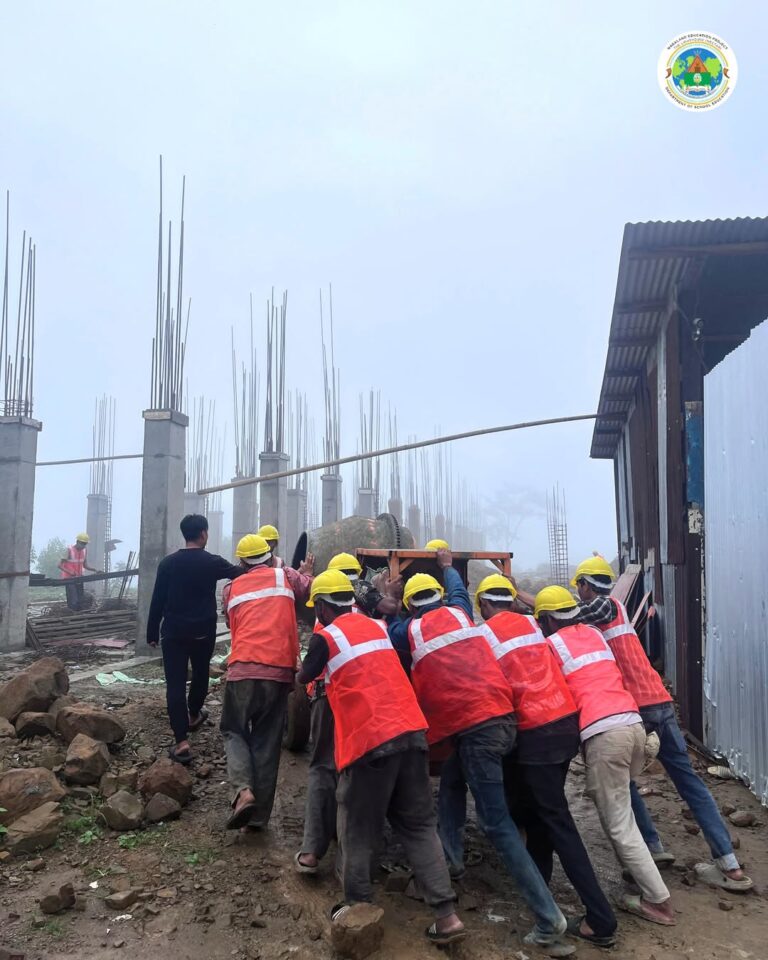
Progress on the second objective has been a little slow. However, the sites for the sixteen Lighthouse School Complexes have been identified, detailed project reports (DPR) developed and vetted by a third party. The DPRs were developed after extensive site visits, and geo-technical surveys. Construction work is now ongoing across the sixteen sites.
Q3. NECTAR is considered the first education project in Northeast India. This region, much like its geographical location, is also relegated to the periphery of national discussions. In light of this, could you outline the project’s significance for Nagaland as well as for a broader South Asian or global context?
A: Of the several innovative approaches undertaken by NECTAR, one that stands out as an emulative model elsewhere is the community engagement strategies adopted through the PIGs. NECTAR has engaged in extensive consultations and involvement of the School Management Committees (SMCs) and School Management and Development Committees (SMDCs) to develop school improvement plans that strengthen governance and learning environments. Through the PIGs, the frequency of the meetings has increased from three per year to an average of six to eight per year. This initiative has also received recognition from the Centre for Innovations in Public Systems (CIPS), a testament to the hard work put in by the team and the people of the state.
Q4. Government schools in Nagaland are receiving a new lease of life through various initiatives of NECTAR. In this regard, what is your message to the stakeholders of school education in Nagaland?
A: The children in our schools today are the architects of our society tomorrow. It is our shared responsibility to invest our time, energy, and resources to ensure that school life in Nagaland is not only enriching but also a joyful and memorable experience for every child.