Lighthouse School Complexes
Compliance with the World Bank’s Environmental and Social Standards
With a vision for sustainable development, the World Bank mandates all projects aided by it to adhere to its Environmental and Social Standards (ESS) and ensure strict compliance during all stages of the project. The ESS is a set of guidelines to protect the people and the environment from potential adverse project impacts while promoting sustainability.
This article will illustrate the significance of Environmental and Social Standards and their compliance by NECTAR in the development of Lighthouse School Complexes (LSCs). ESS outlines the criteria for the implementing entity to be able to identify and assess environmental and social risks and impacts associated with the project in order to prevent and minimise them. The ten standards are:
Environmental and Social Standard 1: Assessment and Management of Environmental and Social Risks and Impacts
Environmental and Social Standard 2: Labor and Working Conditions
Environmental and Social Standard 3: Resource Efficiency and Pollution Prevention and Management
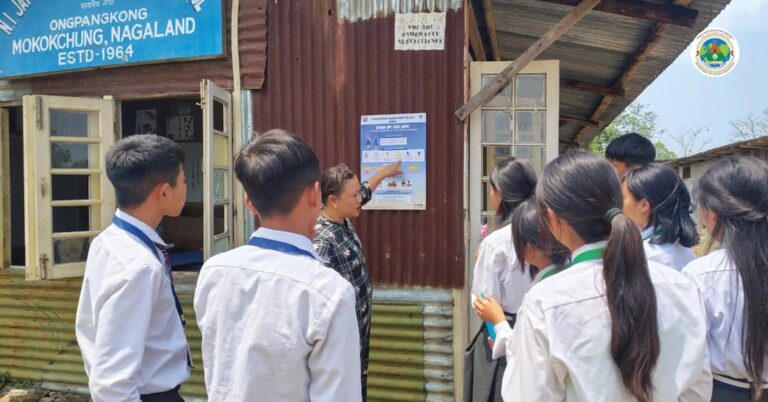
Environmental and Social Standard 4: Community Health and Safety
Environmental and Social Standard 5: Land Acquisition, Restrictions on Land Use and Involuntary Resettlement
Environmental and Social Standard 6: Biodiversity Conservation and Sustainable Management of Living Natural Resources
Environmental and Social Standard 7: Indigenous Peoples/Sub-Saharan African Historically Underserved Traditional Local Communities
Environmental and Social Standard 8: Cultural Heritage
Environmental and Social Standard 9: Financial Intermediaries
Environmental and Social Standard 10: Stakeholder Engagement and Information Disclosure
The Environmental and Social (ES) team from NECTAR’s Project Management Unit regularly assesses the implementation of project activities to ensure that the environmental and social safeguards are in place and adhered to.
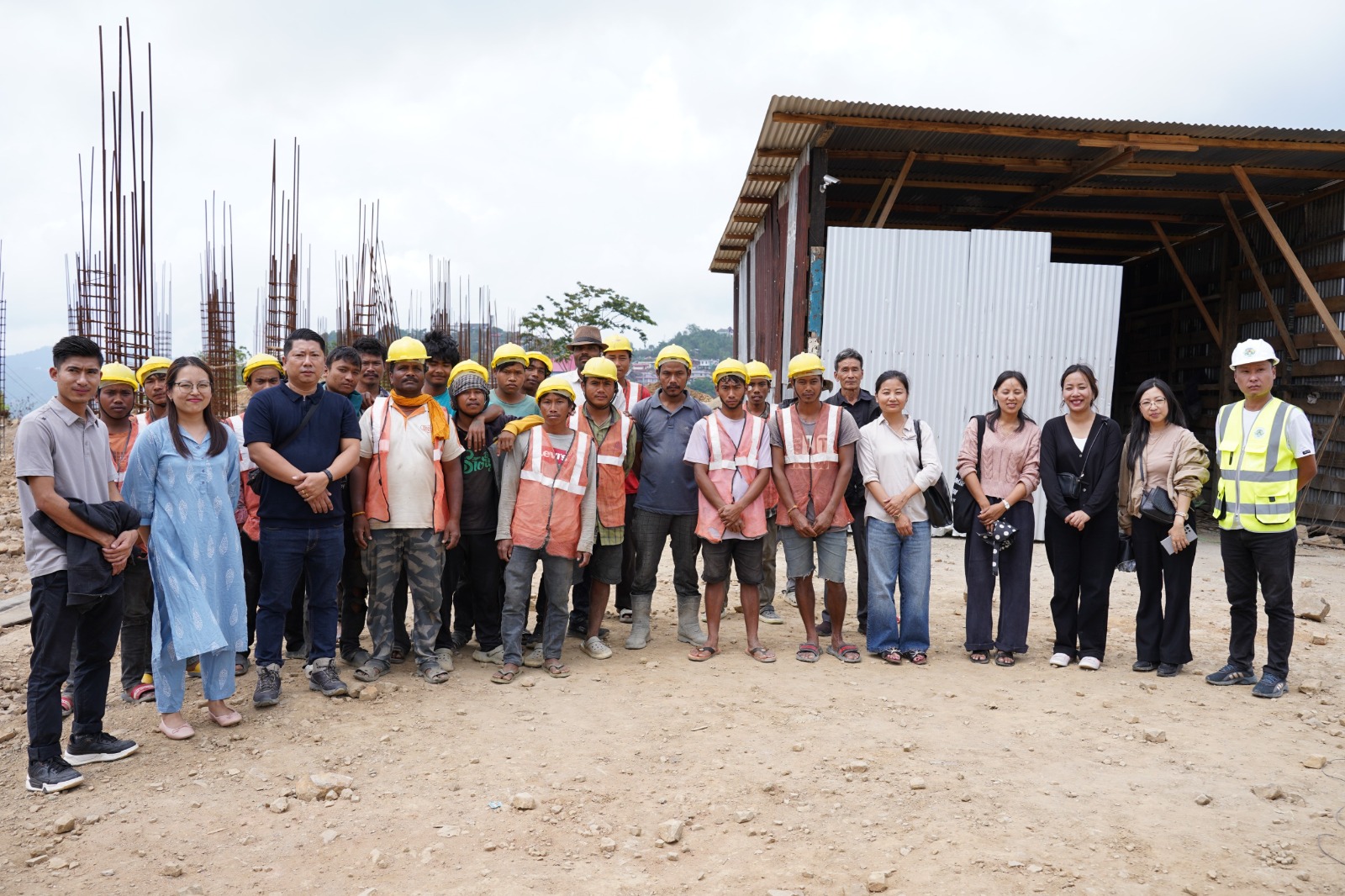
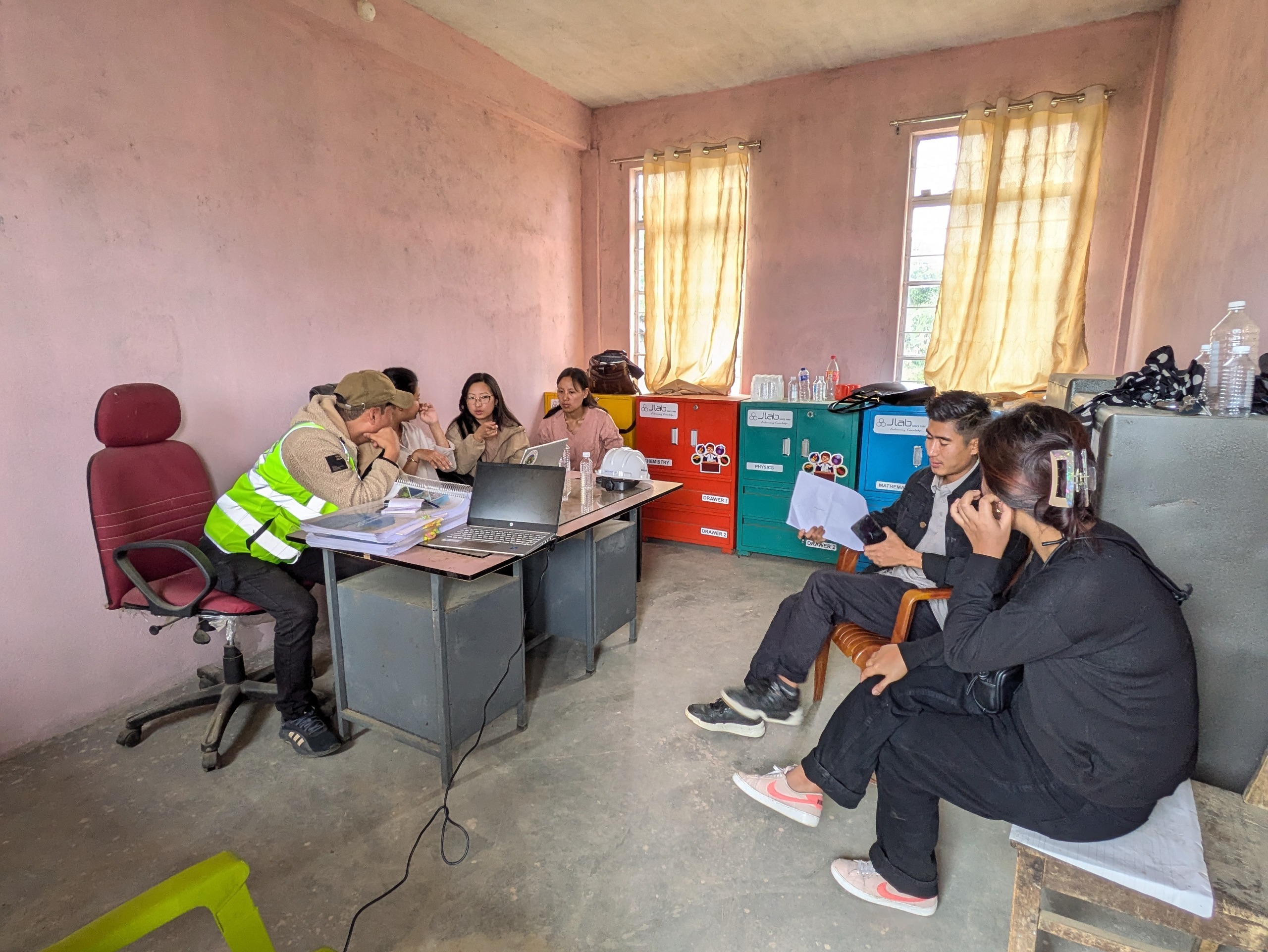
The ongoing construction of LSCs in sixteen districts of Nagaland is being closely monitored by the team and it receives regular updates and reports from the construction firms and project representatives at the district level. The development of LSCs at all stages is informed by the World Bank’s guidelines as well as State and National acts and policies. The assessment focuses on key areas mentioned above such as labour and working conditions, community health and safety, resource efficiency and pollution prevention and management, biodiversity conservation, cultural heritage protection, and stakeholder engagement and information disclosure.
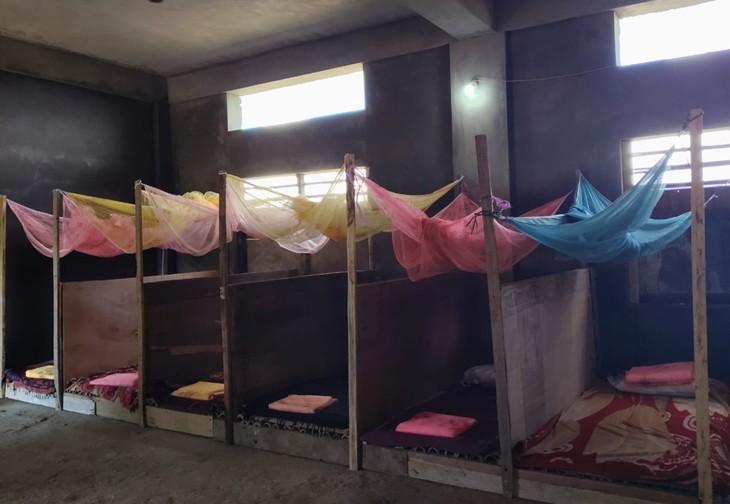
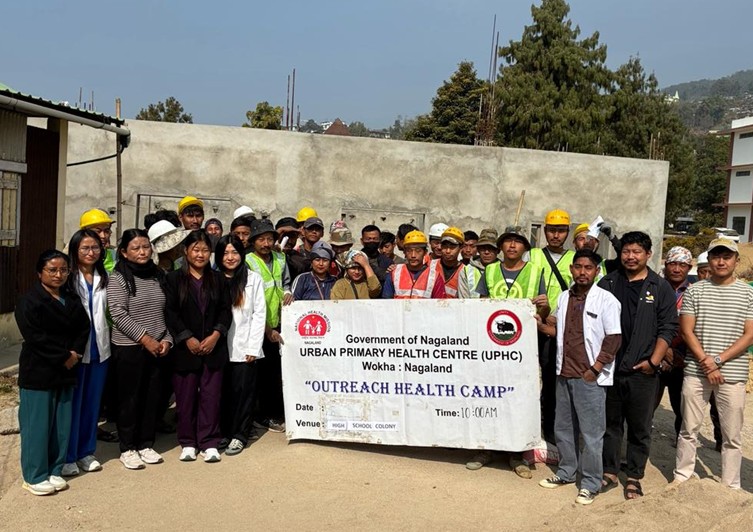
Monitoring of these key areas, referred to as Key Performance Indicators (KPIs), is carried out on a monthly basis. Based on this monitoring, an overall performance rating is assigned to evaluate the compliance with the prescribed environmental and social standards. In addition, monthly reviews of all the LSC construction sites are conducted on water reuse and recycling methods, waste disposal practices along with quantities generated, noise quality levels at construction sites, living conditions for labourers, health and safety measures and training, use of safety equipment, and stakeholder engagement and consultation.
Sustainable and Safety Practices at LSC Construction Sites
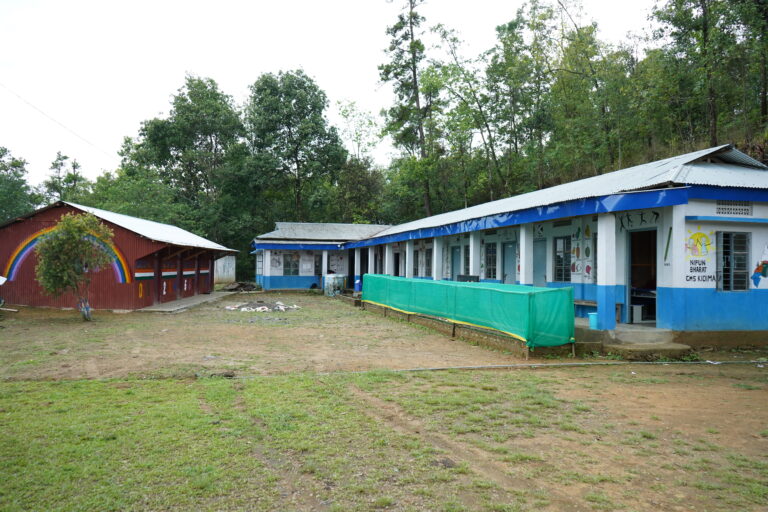
Abiding by the prescribed environmental and social safeguards, several sustainable practices are incorporated at all the LSC sites. These include the ongoing installation of rainwater harvesting systems, scheduling of construction activities during non-sensitive hours, and using physical barriers such as green nets for effective dust control. Proper segregation and safe disposal of waste, with special attention to construction and demolition waste, are being ensured at all sites.
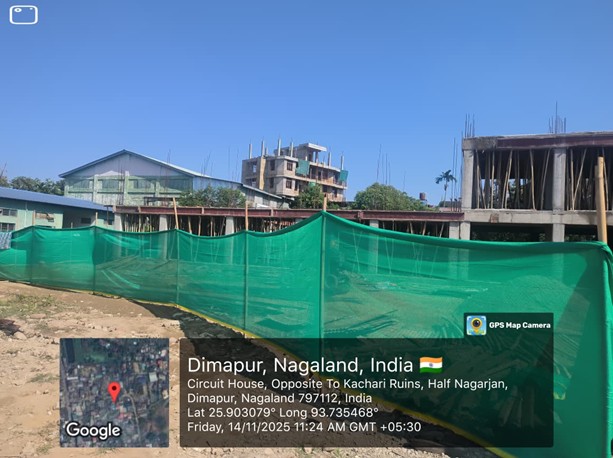
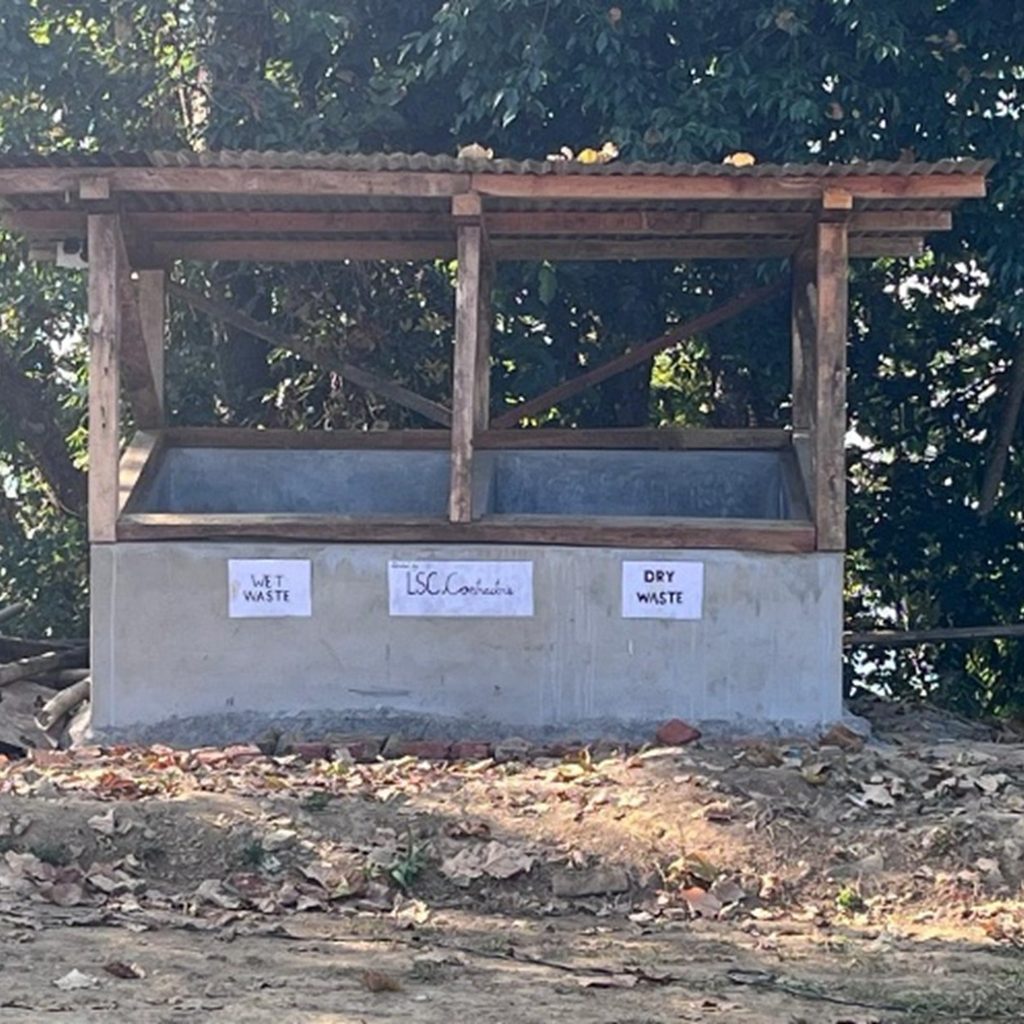
In addition, the construction of retaining walls in landslide-prone areas has been ongoing to enhance slope stability and safety. Regular maintenance of construction machinery is also carried out to minimise noise pollution and ensure efficient operation. Another significant practice is the supply of LPG cylinders by contractors in labour camps to minimise air pollution and health risks.
Capacity-building activities and training sessions on Occupational Health Safety and Emergency Response Plan are conducted monthly in coordination with the contractor’s Social, Health and Environmental Expert to strengthen implementation and awareness. The contractors are also mandated to provide safety gear such as boots, helmets, and masks for the workers.
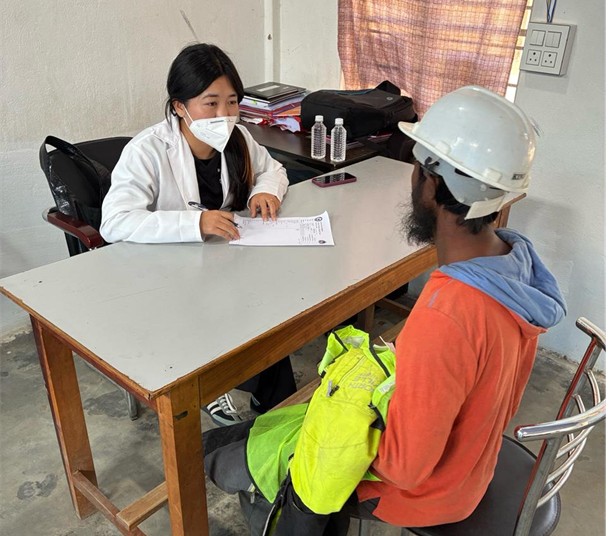
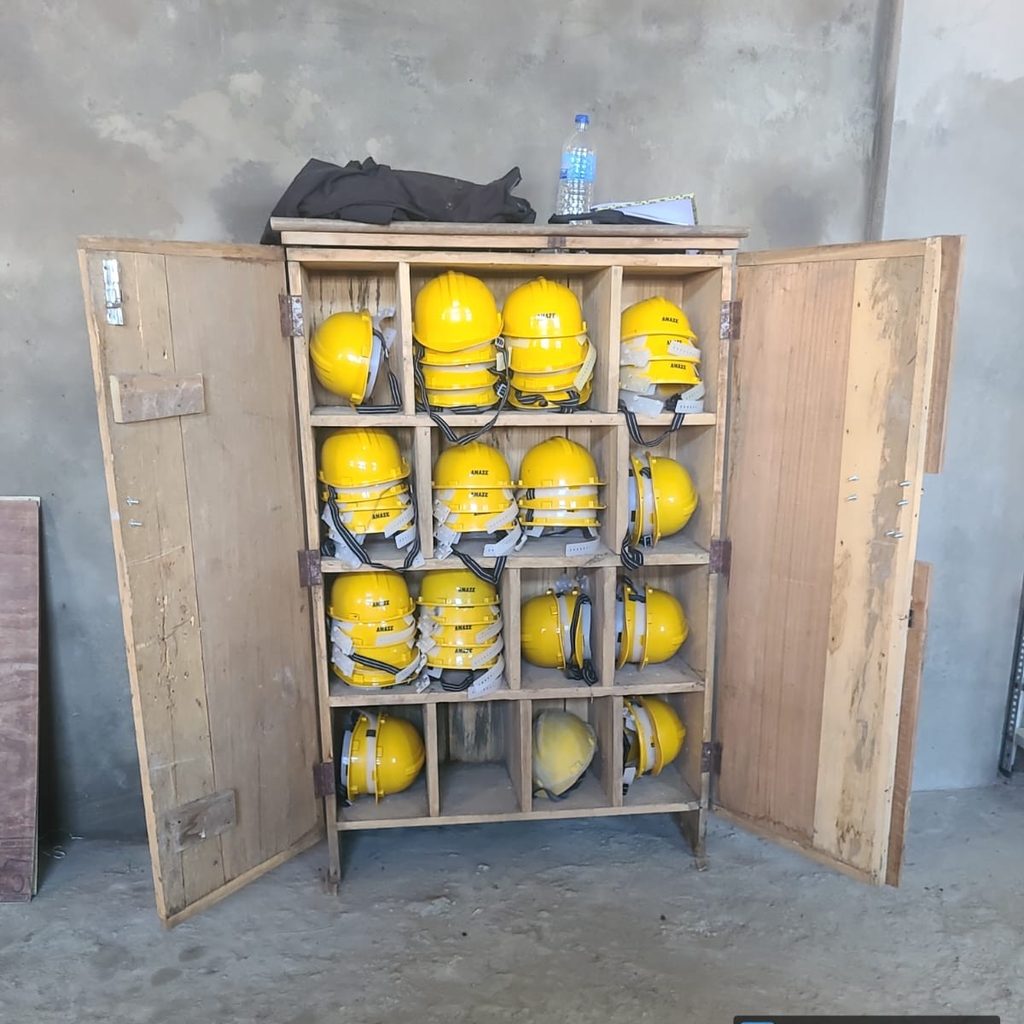
In order to ensure control of air and water pollution during the construction process, laboratory testing of air and water was conducted at all LSC sites in collaboration with the Nagaland Pollution Control Board. Vegetation removal at construction sites was carried out with prior permission from the Forest Department. As the number of trees removed varied for each LSC site, a replantation programme will be initiated accordingly after the completion of LSC construction.
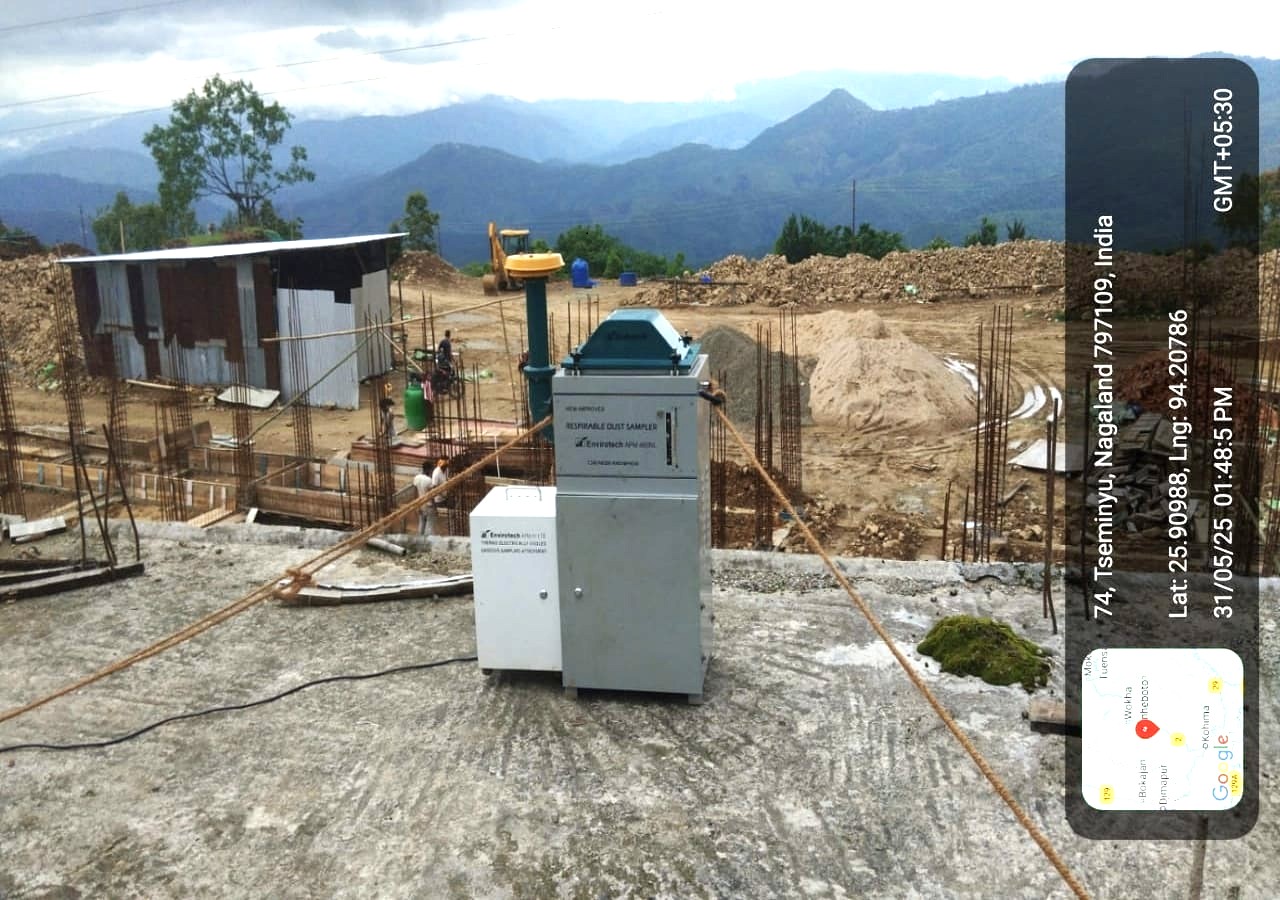
It has been observed that indicators related to social aspect compliances, dust pollution control measures, waste management practices, and noise pollution control have achieved good scores. This indicates effective implementation of environmental and social mitigation measures and a strong commitment by the contractors toward maintaining these standards during construction activities.
NECTAR ensures that the development process fosters full respect for the human rights, dignity, aspirations, identity, culture, and natural resource-based livelihoods of Indigenous Peoples. The project is also attentive to the importance of protecting cultural heritage at the construction site to ensure its preservation in tangible and intangible forms.
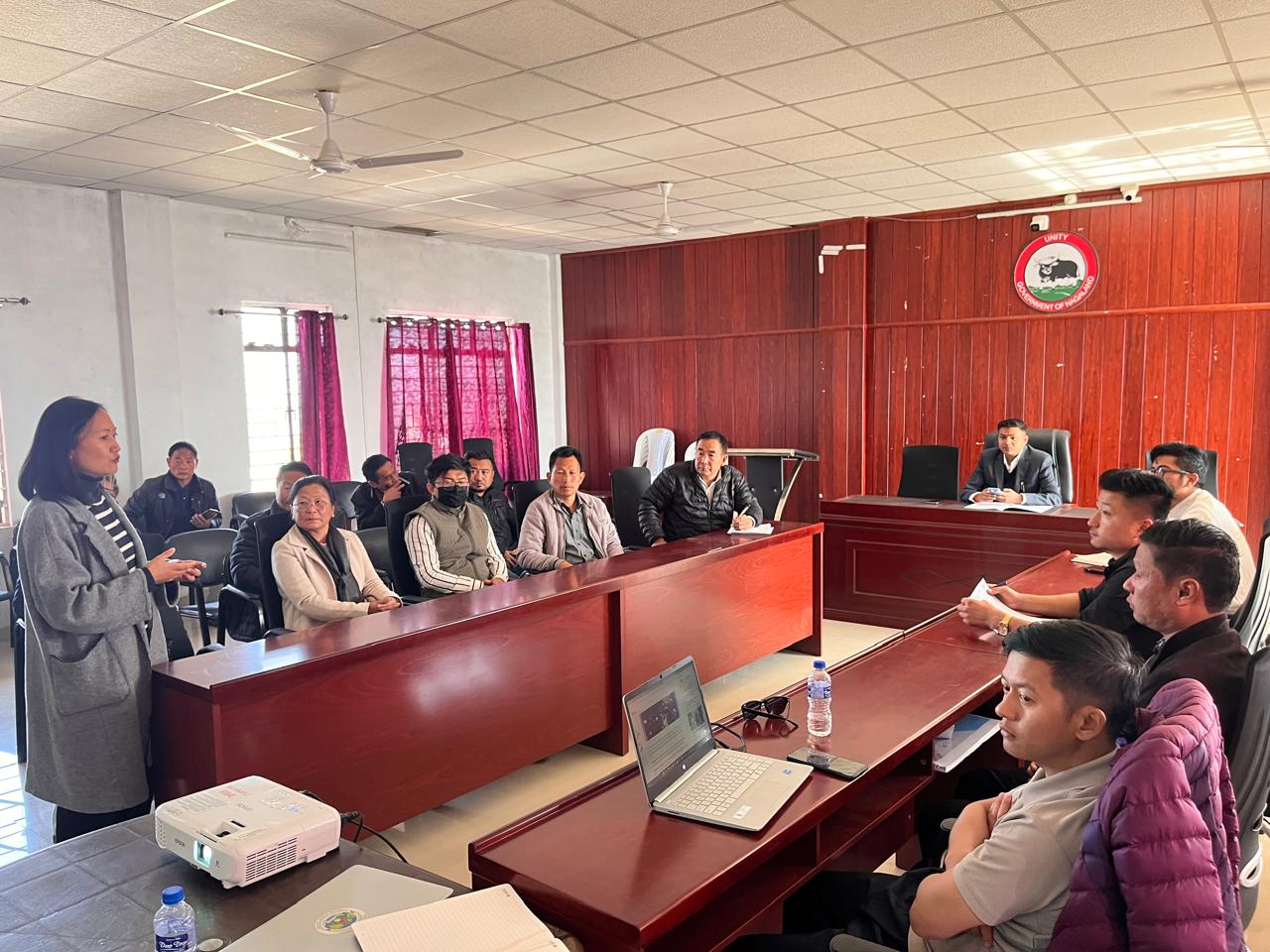
NECTAR is working to ensure that the project’s activities support green, resilient and inclusive development by strengthening protections for people and the environment. In this light, it is making important advances in areas such as labour, inclusion and non-discrimination, gender, climate change, biodiversity, community health and safety, and stakeholder engagement. By aiming to adhere to national and international best practices, the project aspires to serve as a benchmark for environmental and social safeguarding for future projects in Nagaland.