In The Spotlight
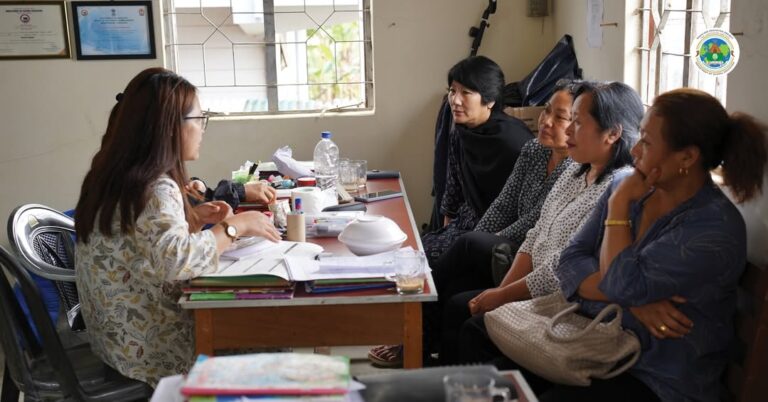
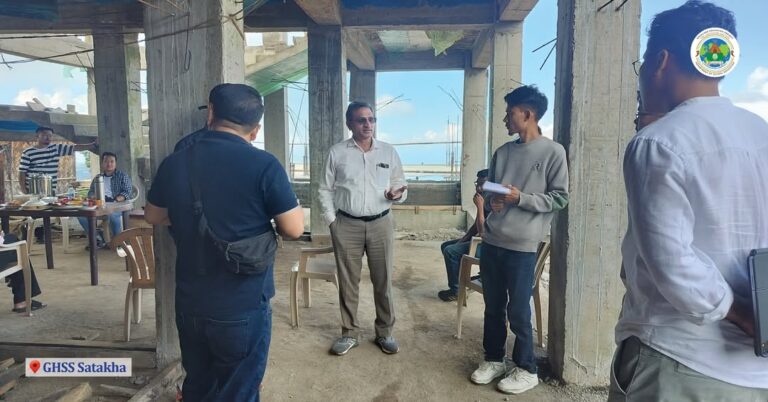
NECTAR recognises and appreciates proactive stakeholders of the project who support its initiatives, contributing to enhanced learning environments, improved teaching-learning practices, and efficient school management. In this edition, we spotlight two school leaders for their commitment to improving their schools by mobilising community participation.

Albert Tungoe
Mathematics teacher, GHS Forest Colony, Kohima
“It was never a one-person initiative but a collaboration of teachers, parents, the community, and especially the Forest Colony Council.” – Albert Tungoe
Albert Tungoe began as a math teacher in 2013 when the school was still a Government Middle School. Not long after, he went on to serve as the school Head and School Management Committee (SMC) Chairperson until 2017. Despite the challenges, the SMC members recognised the school’s potential to do better. “This is our school,” they declared. A belief that began as a mere statement turned into a movement of transformation.
When the school was upgraded to a Government High School in 2023, Albert took on the role of Secretary of the School Management and Development Committee (SMDC). In this dual role, he helped in bridging the gap between the school, the committee, and the wider community. His responsibilities included communicating academic plans, organising meetings, identifying resources and institutional needs, maintaining records, and overseeing the planning and execution of work with available funds.
During Albert’s tenure as SMC Chairperson and later as SMDC Secretary, the Forest Colony Council actively supported the school. They capitalised on the Performance Incentive Grants (PIG) to drive progress. In line with the grant’s mandates, they fostered regular interactions with parents and staff, strengthening the school-community relationship. More importantly, this motivated collective aspirations for the school’s advancement, inspiring parents and community members to contribute financially, materially and physically to address the school’s immediate needs.
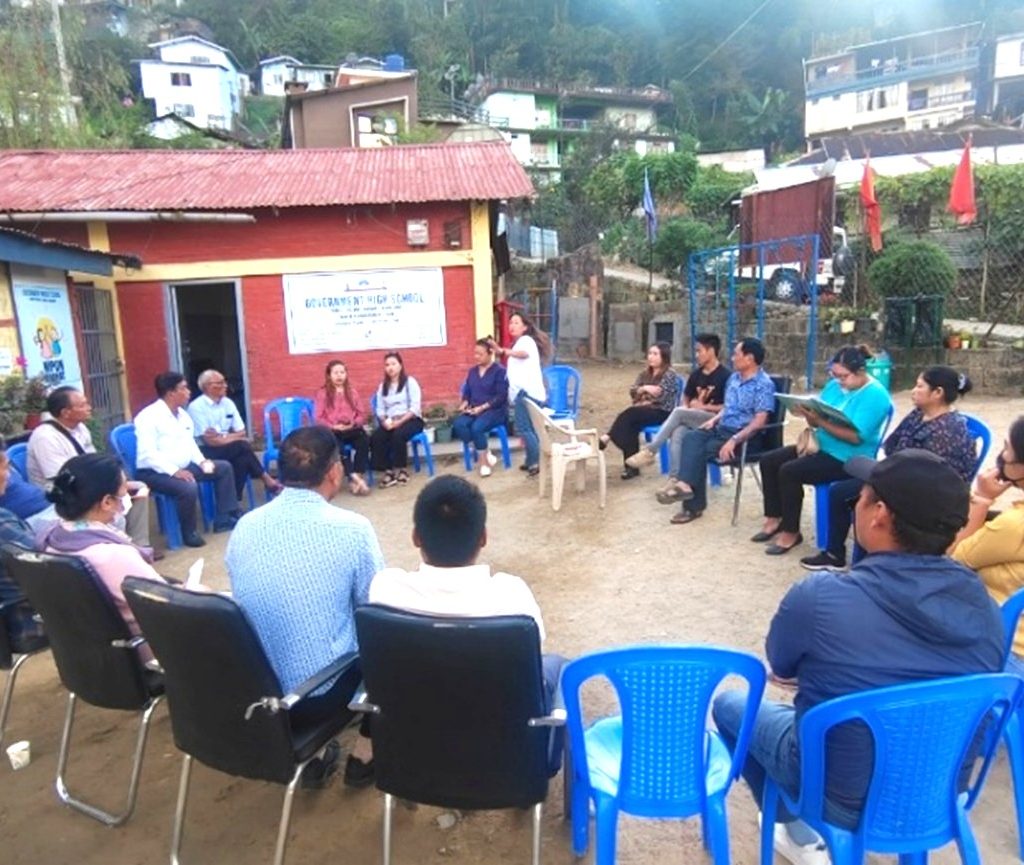
Community-led advancements
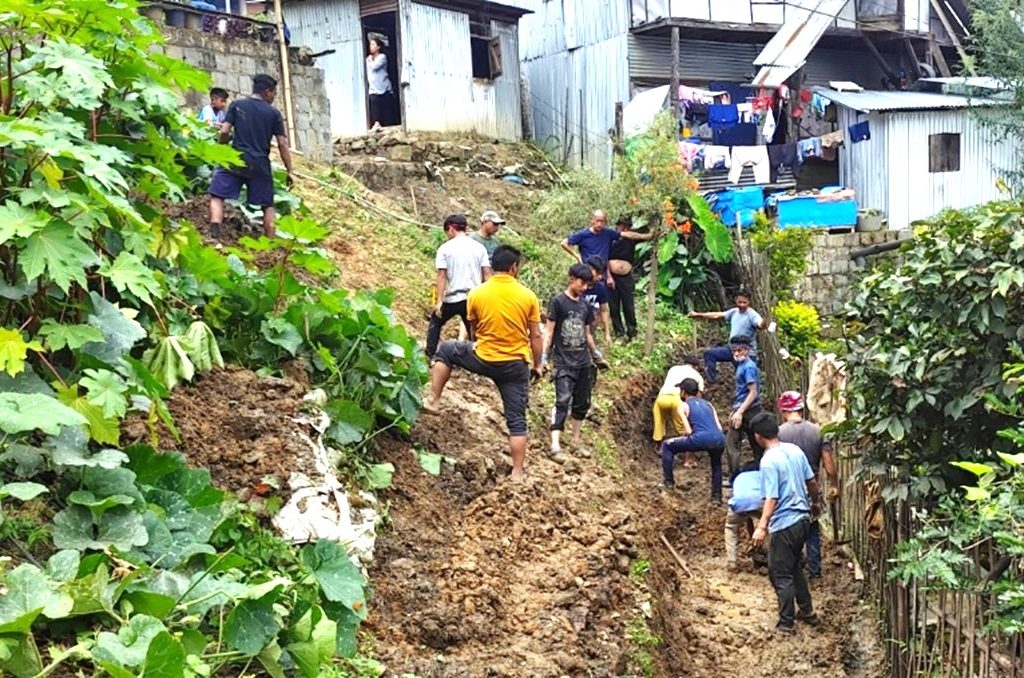
Located near a catchment area, the school faced structural challenges due to soil instability. To mitigate this, the SMC/SMDC members spearheaded efforts to build strong boundary walls around the school. Additionally, the community undertook the construction of extra toilets and a Mid-Day Meal (MDM) kitchen. They mobilised community support and supplemented it with Government assistance, including funding from Samagra Shiksha for toilet construction. Through this collaborative approach, the school made significant progress toward a safer and more conducive learning environment.

The school reaches out to the wider community through digital platforms to foster deeper connections and transparency. This facilitates real-time updates, announcements and discussions. Personal phone calls ensure attendance and action on urgent issues. Additionally, the school utilises social media platforms like Instagram and YouTube to showcase its activities and achievements.
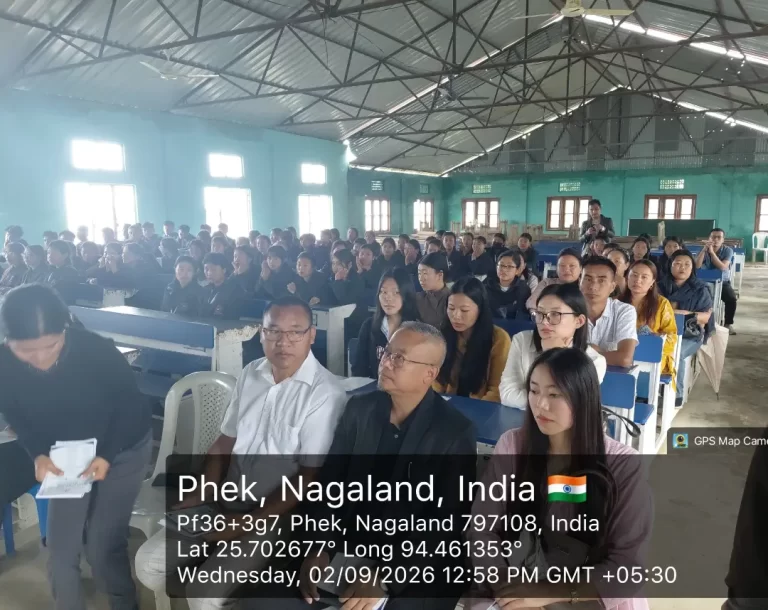
With the SMDC becoming active, members continue to meet regularly to address concerns and collaboratively find solutions. For them, the school’s upgrade to a GHS was not merely an administrative task but a commitment to fulfilling the needs and expectations of the students.
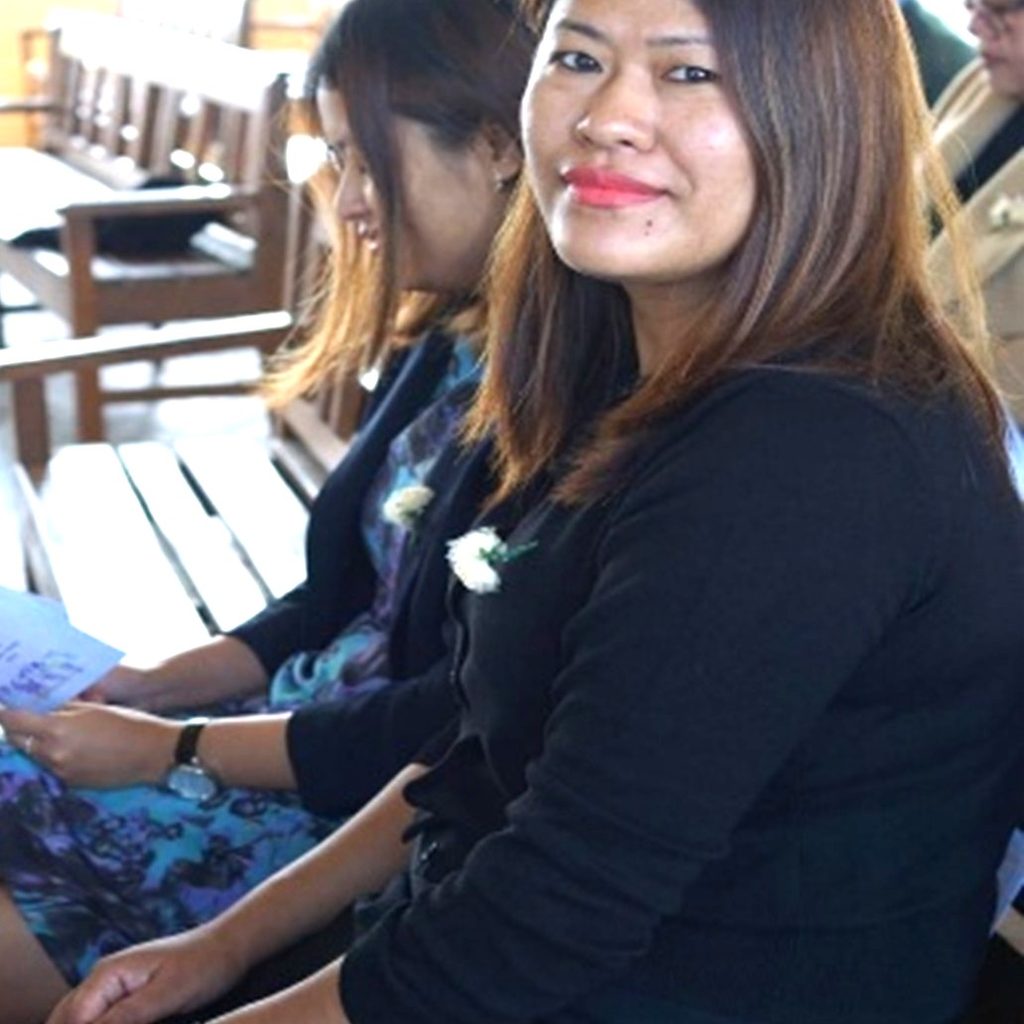
Apenro Khuvung
Principal, GHSS Chukitong, Wokha
“Reading is foundational. A library isn’t a luxury but a necessity for the growth of both students and teachers.” – Apenro Khuvung
When Apenro Khuvung assumed the role of Principal at GHSS Chukitong, she brought more than mere leadership; she introduced a vision that would create a lasting impact on the students. Among other things, the vision included instilling in students a thirst for knowledge.
Drawing from her previous success at GHSS Tuensang, she set out to build something often overlooked but deeply transformative—the school library. Although a library existed, it was under-resourced and unused. Despite the challenges, Apenro began a movement to revive it.
The Library Reimagined
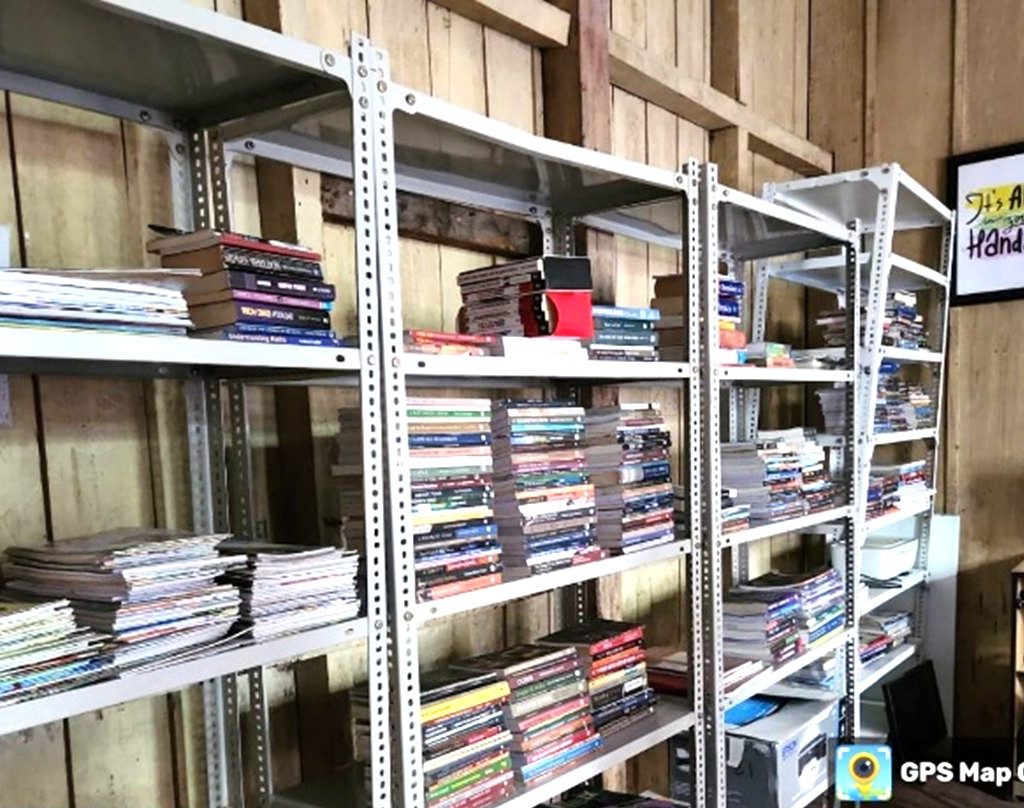
To translate her vision into reality, Apenro, along with her school staff, began working toward creating a conducive learning environment. Through their efforts, the staff, community, and numerous well-wishers contributed books generously
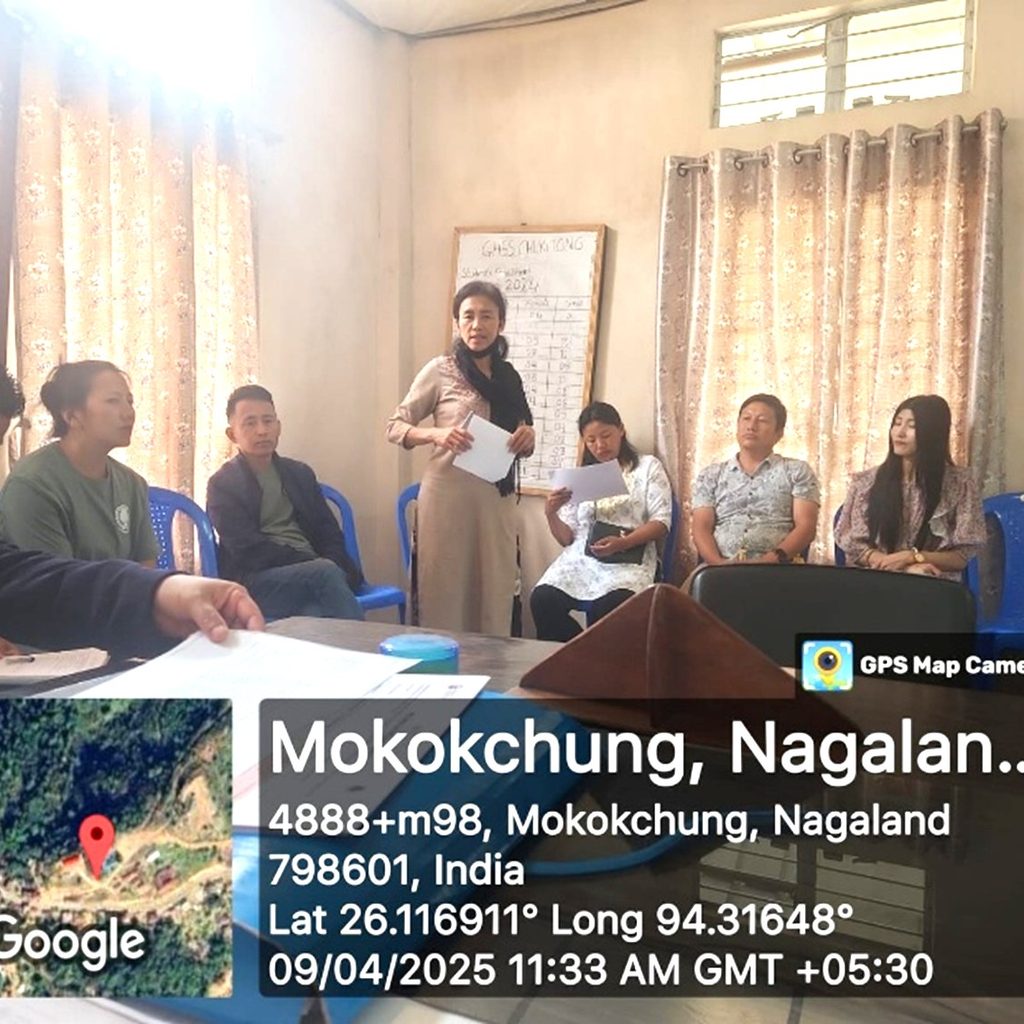
They also actively ran social media campaigns that resulted in community donations. This also captured the interest of neighbouring schools and communities. Witnessing the transformation, Apenro remarked, “The shelves are filling up and more importantly, minds are opening up.”
Apenro also introduced a “library period” in the timetable, reinforcing the importance of inculcating reading habits in her students. This has breathed new life to the school and it has become a dynamic space of learning.
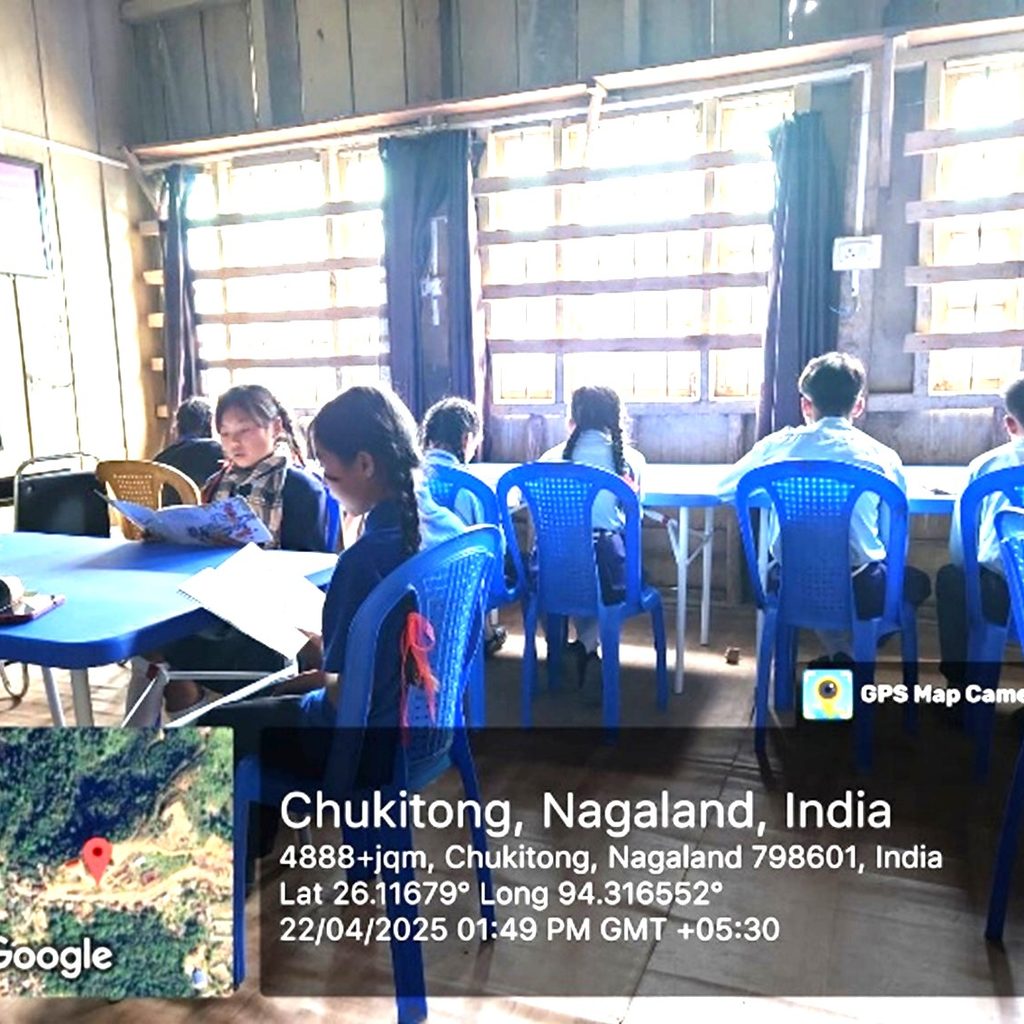
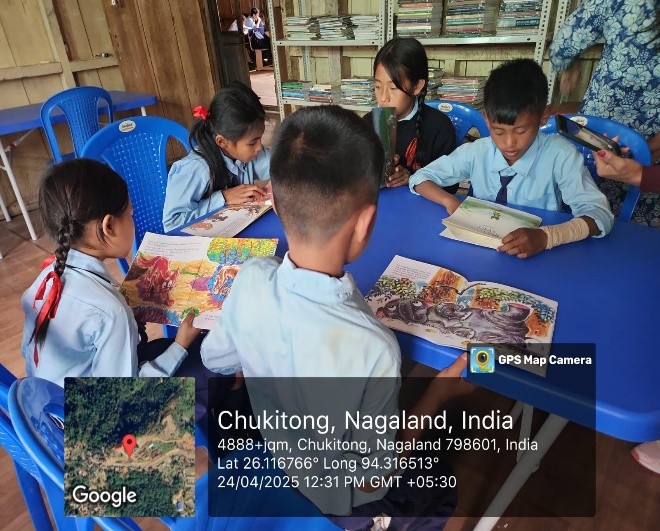
Students pore over books during the “library period”
Currently, the school still relies on solar energy, limiting technological integration. However, she envisions further improvements that would provide her students with adequate learning facilities. Towards this end, Apenro stated:
“My next goal is to electrify the library and install digital tools so our students are not left behind in this digital world.”
This story is not just about the library or the number of books. It is also about daring to dream and the educators who ignite the spark.